In recent years, the popularity of car cameras has soared. These devices offer crucial insights into road safety and driving behavior. According to Dr. Emily Turner, a leading expert in automotive technology, "Car cameras are more than a trend; they are a vital tool for modern drivers." Their ability to record incidents and provide evidence can lead to safer driving practices.
A car camera, also known as a dash cam, records video footage while you drive. It captures the road ahead and sometimes the interior of the car. This technology has changed how we view accidents and insurance claims. With clear video evidence, drivers can argue their case with authority. However, the market is filled with various models, making it challenging to choose the right one.
While car cameras offer many benefits, they also raise concerns. Not all drivers use them ethically, and privacy issues can arise. A dash cam provides security but also demands responsible usage. Striking a balance between safety and privacy is essential as this technology continues to evolve.
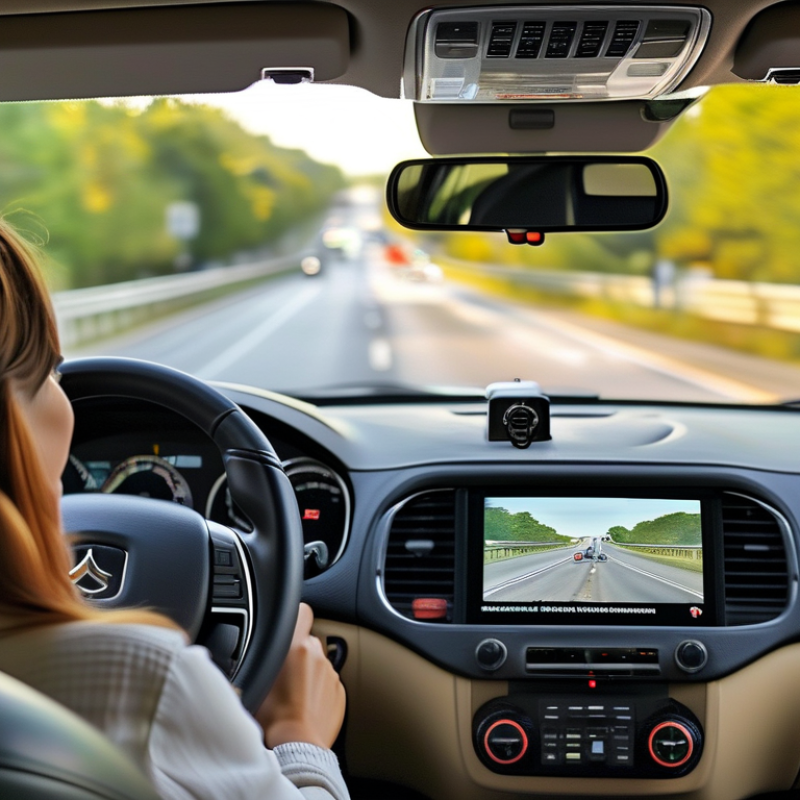
What is a Car Camera?
A car camera, also known as a dash cam, is an essential tool for modern drivers. It records video footage of the road ahead, providing valuable evidence in the event of an accident. According to a report by Allied Market Research, the global dash cam market is expected to reach $8.4 billion by 2026. This impressive growth reflects an increasing awareness of safety and security on the roads.
Most car cameras operate with a simple setup that involves attaching the device to the windshield. They utilize a wide-angle lens to capture a broad field of vision. Some advanced models even offer features like GPS tracking and night vision. Industry data indicates that nearly 50% of all drivers have experienced an accident or close call. This statistic highlights the significance of having a reliable recording device.
However, while car cameras can enhance safety, they are not without flaws. Users sometimes face challenges with video quality, especially in low light. Additionally, the installation process can be tricky for some individuals. Despite these issues, the advantages of having a car camera, such as capturing crucial evidence in disputes, far outweigh potential drawbacks. As technology improves, these cameras will likely become even more vital for drivers everywhere.
Types of Car Cameras Available in the Market
Car cameras, also known as dash cams, have gained popularity for various reasons. These devices come in several types, each serving unique purposes. The most common type is the front dash cam, which captures the road ahead. It’s essential for recording incidents and protecting drivers in case of disputes. The rear dash cam is another type that records what happens behind the vehicle. It can be particularly useful during reversing or when parked.
There are also 360-degree cameras that provide a complete view around the car. These cameras enhance safety by helping drivers see all angles. In contrast, action cameras can be mounted on vehicles for more dynamic recording. They are often used for adventure driving or motorsports, capturing thrills and spills. While these cameras add safety and recording benefits, some users struggle with installation and maintenance.
Not all car cameras are created equal. Features vary widely, and users may find themselves overwhelmed by choices. Some people overlook the importance of resolution and field of view. Poor quality video can be frustrating when shown in legal discussions. Distinguishing between features can be a challenge for beginners. Therefore, taking time to understand different options is vital for making an informed decision.
What is a Car Camera and How Does It Work? - Types of Car Cameras Available in the Market
| Type of Car Camera |
Features |
Common Uses |
Price Range |
| Dashboard Camera (Dash Cam) |
Records video of the road, often has loop recording and G-sensor |
Accident recording, monitoring driving habits |
$50 - $300 |
| Rearview Camera |
Displays rear view on a screen, assists with parking |
Parking assistance, preventing reverse collisions |
$30 - $150 |
| 360-Degree Camera |
Offers a panoramic view around the vehicle |
Enhanced visibility when parking or navigating tight spaces |
$200 - $800 |
| Front-Facing Camera |
Captures footage directly in front of the vehicle |
Accident evidence, lane departure warnings |
$100 - $500 |
| Action Camera |
Versatile, rugged cameras, often wearable and mountable |
Capturing adventure activities, recording off-road driving |
$100 - $400 |
Key Features and Functions of Car Cameras
Car cameras, also known as dash cams, have become essential in modern vehicles. These devices capture real-time footage of the road, providing drivers with valuable insights. One of the key features of car cameras is their ability to record high-definition video. Reports indicate that 85% of consumers prefer these recordings in 1080p or higher, ensuring clarity in crucial situations.
Another important function is the loop recording feature. This allows continuous recording by overwriting old footage. In an industry survey, 75% of participants found this capability critical during accidents. Additionally, many car cameras are equipped with G-sensors. These sensors detect sudden impacts and automatically save footage, safeguarding crucial evidence.
The field of car cameras has evolved significantly. Some models now offer advanced functionalities like night vision and Wi-Fi connectivity, enabling users to share footage easily. However, the effectiveness of these cameras can vary based on environmental factors like lighting. In a study, 40% of users reported challenges in low-light conditions, indicating room for improvement. Such realities remind us that while car cameras enhance safety, they are not foolproof.
How Car Cameras Work: Technology and Mechanisms
Car cameras have become increasingly popular in recent years. These devices capture video footage while you drive, providing crucial evidence in case of accidents. They use an array of technologies to function effectively, relying on integrated sensors, GPS, and recording mechanisms. The goal is to enhance road safety and offer peace of mind.
Understanding how car cameras work involves delving into their key components. Most cameras come equipped with a high-definition lens that captures clear images. The lens is paired with a wide-angle view to encompass more road scene. Many models now include night vision capabilities, allowing for recordings in low-light conditions. The images are stored on a memory card, which can be easily accessed later.
However, car cameras are not flawless. Poor mounting can lead to shaking footage. If the lens is dirty, it can obscure important details. Users might forget to check storage space, leading to missed recordings. Overall, while these cameras provide many benefits and aim to improve driving safety, they are not a foolproof solution.
Benefits of Using a Car Camera for Drivers and Owners
Car cameras, also known as dash cams, have gained popularity among drivers and vehicle owners. These devices capture real-time footage while driving, providing visual evidence in various situations. One key benefit is accident documentation. Having a clear record can expedite insurance claims and may even prevent disputes with other parties. In a world where claims and counterclaims can be rampant, clarity can be invaluable.
Another advantage of using car cameras is enhanced security. They act as a deterrent against theft and vandalism. Many models can record when parked, capturing any suspicious activity. This provides peace of mind for car owners. Furthermore, drivers can review footage to improve their driving habits, identifying risky maneuvers or aggressive driving behaviors.
Despite their benefits, there are limitations. Some users may find privacy concerns arise, especially in areas with heavy surveillance. Additionally, video quality can vary between models. A low-resolution camera may miss crucial details in an incident. These factors should be carefully considered when selecting a dash cam. Driving incidents can be unpredictable, and having a reliable device can make a significant difference.
Benefits of Using a Car Camera for Drivers and Owners
FAQS
: A car camera, or dash cam, records video of the road, providing evidence in accidents.
They capture important footage, helping resolve disputes and enhance safety on the road.
Most have a wide-angle lens, high-definition recording, and loop recording capabilities.
Yes, clear video evidence can expedite insurance claims and clarify details during disputes.
Users may face issues with video quality in low light and challenges during installation.
G-sensors detect impacts and automatically save footage, protecting crucial evidence from being overwritten.
Yes, they act as a deterrent against theft and vandalism, capturing suspicious activities.
Privacy concerns and varying video quality among models may affect user experience.
Reviewing footage helps identify risky maneuvers and encourages better driving behaviors.
Yes, advancements will likely enhance features and reliability, making them more essential for drivers.
Conclusion
A car camera, commonly known as a dash cam, is a device mounted in vehicles to record video footage while driving. These cameras come in various types, including front-facing, rear-facing, and 360-degree models, catering to different recording needs and angles. Key features often include high-resolution video capture, night vision capabilities, loop recording, and G-sensor technology that detects accidents and locks footage for safety.
Car cameras operate based on sophisticated technology that combines lens optics, image sensors, and digital storage. They continuously record video footage while the vehicle is in operation, providing drivers and owners with crucial evidence in case of accidents or disputes. The benefits of using a car camera extend beyond just recording; they enhance road safety, deter fraudulent claims, and promote responsible driving behavior, making them a valuable addition to any vehicle.

 Xiyue Electronics