How to Choose the Best Mobile CCTV Camera?

Time:2026-09-16 Author:Henry
0%

Choosing the right Mobile Cctv Camera is no longer a simple question of resolution. Buyers must weigh mobility, night vision, battery life, connectivity, storage, and weather resistance. A camera placed beside a construction gate faces dust, vibration, weak signals, and changing light. A unit designed for a warehouse may fail there.

Industry data shows why this decision matters. Grand View Research valued the global video surveillance market at approximately $83.3 billion in 2023. It expects continued growth through 2030, driven by analytics, remote monitoring, and connected devices. MarketsandMarkets also identifies cloud adoption, artificial intelligence, and wireless systems as major market forces. However, market growth does not guarantee a suitable product. Report definitions differ, and published forecasts should be treated as direction, not certainty.

Johan Paulsson, Chief Technology Officer at Axis Communications, has stated, “The camera is just one part of the solution.” That principle should guide every purchase. A strong Mobile Cctv Camera needs dependable power, secure transmission, clear footage, and simple deployment. Field experience often reveals overlooked weaknesses. A battery may last three months in a brochure, then lose capacity during cold nights. A 4G connection may appear stable, but fail behind metal walls. Buyers should test the complete system at the actual site. There is no perfect formula. The best choice depends on risk, location, operating hours, and response speed. This guide examines those factors with practical evidence and a critical view of manufacturer claims.
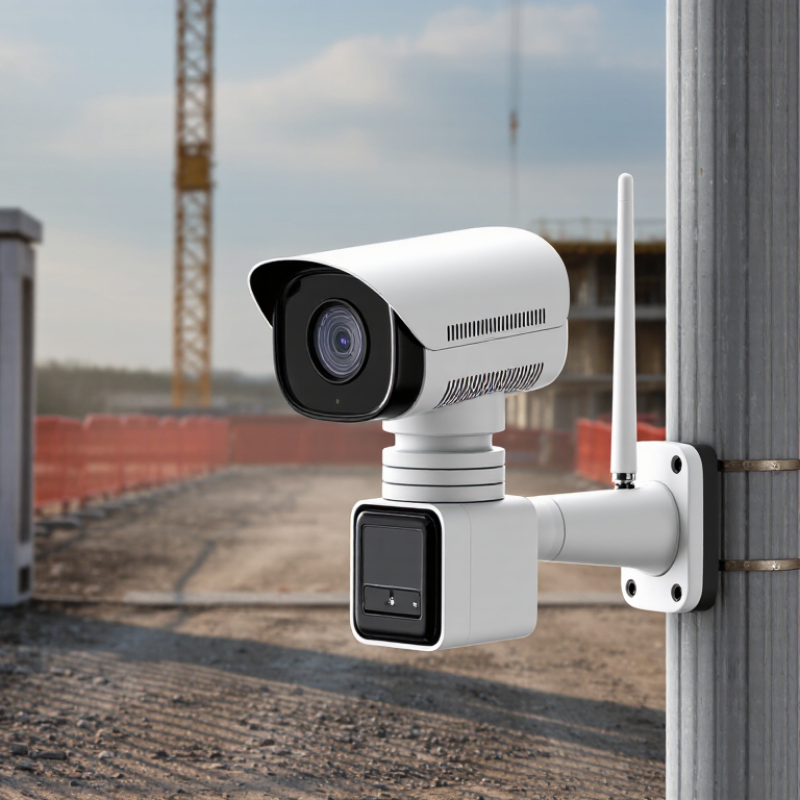
How to Choose the Best Mobile CCTV Camera?

Define the Surveillance Area and Identify Your Monitoring Needs

How to Choose the Best Mobile CCTV Camera?

Define the surveillance area before comparing camera specifications. Walk through the site at different times of day. Mark entrances, loading zones, blind corners, and temporary storage areas. In field assessments, I have found that a wide image often hides important facial details. A camera covering everything may identify movement, but not people.

Your monitoring needs should determine mobility, resolution, storage, and connectivity. For a construction site, prioritize weather resistance, battery endurance, and rapid relocation. For traffic or crowd observation, consider wide-angle coverage, stable mounting, and useful night performance. MarketsandMarkets’ 2024 Video Surveillance Market report estimates the sector will grow from about 53.7 billion US dollars in 2024 to 83.3 billion by 2029. This growth reflects demand for flexible monitoring, but more equipment does not automatically create better security. The wrong viewpoint still produces weak evidence.

Tips: Sketch the area first. Measure the farthest subject. Test the camera at night. Check whether faces remain recognizable at the required distance. Review network coverage where the camera will operate. A temporary site may need cellular connectivity, while a remote area may require local recording. Leave room for mistakes. Lighting changes, battery aging, and unexpected obstructions can affect performance. I would also review recorded footage after installation, because a technically impressive setup can still miss the one doorway that matters.

Compare Mobile CCTV Camera Types and Core Features

How to Choose the Best Mobile CCTV Camera?

Compare mobile CCTV camera types before judging image quality. Vehicle-mounted units suit patrols, traffic monitoring, and temporary site protection. Body-worn cameras support close-range observation and hands-free recording. Trailer-based systems cover wider areas but need stable ground and regular battery checks. According to MarketsandMarkets, the mobile video surveillance market is projected to grow from about USD 2.4 billion in 2023 to USD 3.8 billion by 2028. That growth reflects demand for flexible monitoring.

Core features matter more than appearance. Check resolution, low-light performance, infrared range, optical zoom, and stabilization. A 4G or 5G model can send alerts from remote locations, while local storage prevents footage loss during network outages. GSMA Intelligence’s Mobile Economy 2024 report expects 5G connections to reach 5.5 billion worldwide by 2030. However, stronger networks do not guarantee reliable video. Signal tests should be completed at the actual installation point.

Battery capacity, weather resistance, and operating temperature deserve equal attention. A camera may advertise long endurance, yet frequent night recording can reduce runtime sharply. Look for encrypted transmission, role-based access, audit logs, and automatic time synchronization. I prefer testing a camera for several rainy nights before deployment. One weakness remains easy to miss: glare from headlights can ruin otherwise clear footage. Compare sample recordings, not only specification sheets.

How to Choose the Best Mobile CCTV Camera?

Compare mobile CCTV camera types by connectivity, mobility, power autonomy, coverage, and weather resistance. The scores use a practical 1–5 selection scale, where 5 represents the strongest suitability for the feature.

Battery-Powered LTE Camera

Best for temporary indoor or outdoor monitoring where fast installation and two-way communication are important.

4G PTZ Camera

Suitable for wide-area surveillance because pan, tilt, and optical zoom can reduce blind spots.

Solar-Powered Mobile Unit

A practical choice for remote sites without reliable mains power, provided sunlight and battery capacity are sufficient.

Trailer-Mounted CCTV Tower

Designed for construction sites, events, and large temporary areas that require elevated viewpoints and strong deterrence.

Selection scores are brand-neutral benchmark values based on common mobile surveillance requirements. Actual performance depends on camera resolution, network coverage, battery size, solar conditions, storage settings, and site layout.

Evaluate Video Quality, Night Vision, and Motion Detection

Choosing the best mobile CCTV camera starts with measurable image performance, not advertised resolution. MarketsandMarkets estimates the global video surveillance market will grow from $53.7 billion in 2023 to $83.3 billion by 2028. That growth makes careful testing more important. In a parking area, check whether faces remain recognizable at the camera’s widest viewing angle. A 4K label means little if compression blurs movement. Look for wide dynamic range, stable frame rates, and adjustable bitrate controls. Test a moving person, not a still object.

Night vision deserves a separate inspection. The camera should show useful detail in darkness, not only bright outlines. Compare infrared range with the actual distance to doors, gates, or vehicles. Reflections from glass, rain, and pale walls can wash out the scene. IEC 62676-4 provides testing guidance for video surveillance performance, so ask for results measured under consistent conditions. Motion detection also needs practical testing. Walk across the frame, approach directly, and pass behind foliage. Record missed events and false alerts. A 2024 report from the U.S. National Institute of Standards and Technology highlights the importance of reliable device configuration and monitoring in connected systems. Detection zones, sensitivity levels, and human-shape filtering can help, but they are not perfect. Mine still triggered on heavy rain. That small failure matters.

Check Power, Connectivity, Storage, and Installation Requirements

Choosing the best mobile CCTV camera starts with power, not pixels. A remote camera may need a battery, solar panel, or stable mains supply. Check its night-time load, heater use, and cold-weather performance. A small battery can fail after several cloudy days. That detail is often missed.

Connectivity also needs a field test. GSMA Intelligence’s Mobile Economy 2024 report forecasts 5G will reach 56% of global mobile connections by 2030. Yet newer networks do not guarantee strong service at a construction site or rural gate. Ericsson’s Mobility Report, November 2024, expects mobile data traffic to keep growing by about 20% annually through 2030. Choose a camera with suitable cellular bands, antenna options, and automatic reconnection. Test signal strength where the camera will stand, not beside the office window.

Storage calculations should be practical. A 1080p stream at 2 Mbps uses roughly 21.6 GB daily, while 4 Mbps uses about 43.2 GB. Multiply that figure by retention days and cameras. Edge storage reduces network use, but memory cards can fail. Cloud storage needs dependable upload capacity and recurring costs. Installation also matters: mount the unit high enough to resist tampering, but low enough for safe maintenance. Leave drainage space, protect cable entries, and check the camera’s viewing angle at night. A neat specification sheet can still mislead. I would record one ordinary day and one rainy night before approving the final setup.

Assess Security, Privacy, Durability, and Total Ownership Cost

How to Choose the Best Mobile CCTV Camera?

Choosing a mobile CCTV camera starts with security, not pixel count. In field evaluations, I check encrypted video transfer, multi-factor login, signed firmware, and detailed access logs. Local storage should continue recording when the network fails. Verizon’s 2024 Data Breach Investigations Report found that human involvement appeared in 68% of breaches. Clear permissions matter. Privacy also requires privacy masking, limited retention, secure deletion, and controlled administrator access. Avoid cameras that quietly send footage to unknown regions. That detail is easy to miss.

Durability becomes visible during installation. Check IP66 or higher protection, impact resistance, operating temperature, and battery performance in cold weather. Test the unit against dust, rain, vibration, and repeated relocation. An IP rating is not a promise against every storm. I have seen outdoor equipment survive rain but fail after a loose charging connector collected grit. That was not dramatic. It was expensive.

Total ownership cost includes mounting, data plans, cloud storage, battery replacement, firmware support, inspections, and technician visits. Calculate these expenses over three years, not one invoice. IBM’s 2024 Cost of a Data Breach Report reported an average breach cost of 4.88 million dollars globally. A cheaper system can become costly after one exposed account or missed update. Compare retention fees, export charges, and replacement parts before purchase. The calculation may still be imperfect, because usage and weather rarely behave neatly.

How to Choose the Best Mobile CCTV Camera? — Assess Security, Privacy, Durability, and Total Ownership Cost

A practical comparison framework for selecting a mobile CCTV camera for temporary sites, remote assets, construction areas, events, and emergency monitoring.

Evaluation Dimension What to Check Recommended Target Common Risk Assessment Level Why It Matters
Security and Monitoring Performance
Video Resolution Image detail, digital zoom quality, and clarity in daylight. At least 2K for general monitoring; 4K for wider areas or identification needs. Low-resolution video may not provide usable evidence. High Priority Higher resolution improves the ability to recognize faces, vehicles, signs, and activity at a distance.
Night Vision Infrared range, low-light performance, glare control, and nighttime image consistency. Infrared coverage of approximately 20–40 m, depending on the site. Overexposure, dark corners, or motion blur at night. High Priority Many security incidents occur outside daylight hours, when poor imaging can reduce the value of recorded footage.
Motion Detection Detection zones, sensitivity settings, human or vehicle filtering, and alert delay. Configurable zones with adjustable sensitivity and event verification. False alarms caused by trees, rain, insects, or changing light. High Priority Accurate event detection reduces unnecessary notifications and helps operators focus on meaningful activity.
Connectivity 4G/5G, Wi-Fi, wired fallback, signal strength, and remote access stability. Reliable cellular connectivity with local recording backup. Video loss in areas with weak cellular coverage. High Priority Mobile cameras often operate where fixed network infrastructure is unavailable or temporary.
Storage and Backup Local memory, cloud options, overwrite settings, export format, and retention period. Encrypted local storage plus optional remote backup. Evidence may be lost if the camera is damaged, removed, or disconnected. High Priority Using two storage locations improves resilience and supports evidence recovery.
Privacy and Data Protection
Data Encryption Encryption during transmission and while footage is stored. Modern transport encryption and encrypted local storage. Unauthorized access to live streams or recorded footage. High Priority Video may contain personal, operational, or commercially sensitive information.
Account Security Multi-factor authentication, role-based access, password policy, and login records. Multi-factor authentication and separate user permissions. Shared passwords and excessive administrator access. High Priority Strong identity controls reduce the risk of unauthorized viewing or configuration changes.
Privacy Controls Privacy masking, audio disablement, recording schedules, and user consent controls. Configurable masking and the ability to disable audio when unnecessary. Capturing private areas or collecting more data than required. High Priority Privacy-by-design helps limit unnecessary collection and supports responsible surveillance practices.
Retention Management Automatic deletion, retention rules, export controls, and audit trails. Retention based on operational need, with automatic deletion enabled. Keeping footage indefinitely increases privacy and storage exposure. Medium Priority A defined retention period reduces storage costs and limits the impact of a potential data breach.
Durability and Field Deployment
Weather Protection Ingress protection rating, sealed connectors, rain resistance, and operating temperature. Outdoor-rated enclosure, preferably IP65 or higher for exposed locations. Water or dust entering the enclosure and causing failure. High Priority Outdoor mobile equipment must withstand changing weather without frequent service calls.
Power System Battery capacity, solar charging, external power input, and low-battery alerts. Battery status monitoring with charging sized for local sunlight and usage. Unexpected downtime during cloudy weather or high-activity periods. High Priority Power availability directly determines whether the camera can provide continuous protection.
Physical Protection Mounting stability, tamper resistance, cable protection, and enclosure strength. Lockable or tamper-resistant mounting with protected cables. The camera can be redirected, damaged, or removed. High Priority A camera that is easy to disable may create a false sense of security.
Portability Weight, installation time, transport requirements, and repositioning process. Tool-efficient setup that can be relocated by a small field team. Frequent relocation becomes costly or creates installation errors. Medium Priority Fast deployment is valuable for temporary projects, incidents, and changing site layouts.
Total Ownership Cost
Initial Equipment Cost Camera, mounting hardware, battery or solar kit, storage, and accessories. Compare complete deployment cost rather than camera-only price. Low purchase price but missing essential accessories. Medium Priority The complete kit determines whether the system can be used immediately and reliably.
Connectivity Cost SIM service, data allowance, roaming, cloud access, and alert delivery charges. Estimate monthly data usage from resolution, frame rate, and live-view frequency. Unexpected overage charges from frequent streaming or excessive uploads. High Priority Recurring connectivity charges can exceed the initial hardware cost over a multi-year deployment.
Maintenance Cost Battery replacement, cleaning, firmware updates, inspections, and repairs. Documented maintenance schedule and readily replaceable components. High labor costs or long downtime when parts fail. Medium Priority Serviceability affects both operating expenses and system availability.
Expected Service Life Battery life, enclosure quality, software support, and upgrade options. Use a multi-year planning horizon and include replacement cycles. Short product life creates repeated setup and disposal costs. Medium Priority Longer service life generally lowers annualized ownership cost when reliability is maintained.
Estimated Three-Year TCO Hardware + installation + connectivity + storage + maintenance + replacement allowance. Calculate a site-specific total before purchase approval. Comparing products only by upfront price. High Priority A three-year view exposes recurring expenses and provides a more realistic basis for comparison.
Suggested Decision Rule
Recommended Selection Choose the camera that satisfies mandatory security and privacy requirements first. Prioritize dependable connectivity, encrypted storage, weather protection, and transparent recurring fees. Choosing the cheapest option without validating the deployment environment. Best Practice The best mobile CCTV camera is the one that remains secure, available, privacy-conscious, and affordable throughout its intended service period.

Note: Recommended targets are general planning guidelines. Actual performance and total ownership cost depend on site conditions, network coverage, recording settings, local regulations, labor rates, and required retention periods.

FAQS

How should I define the surveillance area before choosing a mobile CCTV camera?

Walk through the site during daylight and darkness. Mark entrances, loading zones, blind corners, and temporary storage areas. Measure the farthest subject. A wide image may show movement but hide facial details.

What camera features matter most on a temporary construction site?

Choose weather resistance, long battery endurance, and quick relocation. Check nearby network coverage before installation. Cellular connection may suit temporary sites. Local recording may work better in remote areas.

How can I test image quality properly?

Test a moving person, not a still object. Check facial detail at the widest viewing angle. Review compression, frame stability, and adjustable bitrate settings. High resolution alone proves little.

What should I inspect during night-vision testing?

Compare the night-vision range with actual doors, gates, and vehicles. Test rain, glass reflections, and pale walls. Useful images should show details, not only bright outlines. Test at night.

How can I reduce false motion alerts?

Walk across the frame and approach the camera directly. Pass behind foliage or other obstacles. Adjust detection zones and sensitivity levels. Human-shape filtering can help, but it is not perfect. Heavy rain may still trigger alerts.

What security and privacy controls should a mobile camera provide?

Look for encrypted video transfer, multi-factor login, signed firmware, and access logs. Use privacy masking and limited retention. Control administrator permissions carefully. Delete footage securely. Do not assume cloud storage is automatically private.

How durable should the camera be outdoors?

Check protection against dust and water, impact resistance, and operating temperature. Test vibration and repeated relocation. Examine charging connectors for loose seals or collected grit. Weather ratings have limits.

How should I calculate the total ownership cost?

Include mounting, data plans, storage, battery replacement, updates, inspections, and technician visits. Compare costs across three years. Check export fees and replacement parts. The estimate may still be imperfect. Weather changes everything.

Conclusion

Choosing the best Mobile Cctv Camera starts with clearly defining the surveillance area and understanding your monitoring goals. Consider whether you need coverage for indoor spaces, outdoor locations, temporary sites, vehicles, or remote areas. Compare camera types according to portability, viewing range, mounting options, and essential features. Pay close attention to video resolution, low-light performance, night vision, motion detection accuracy, and alert settings to ensure reliable monitoring in changing conditions.

You should also evaluate battery life, charging methods, network connectivity, storage capacity, and installation requirements before making a decision. A suitable camera should protect recorded footage with strong security and privacy controls while offering dependable performance in different weather and operating environments. Finally, compare the total ownership cost, including equipment, maintenance, storage, connectivity, and replacement needs. By balancing performance, convenience, durability, and long-term value, you can select a surveillance solution that matches your specific requirements.


Henry

Henry

Henry is a dedicated marketing professional with a profound expertise in the company's offerings. With years of experience in the industry, he possesses an impressive understanding of the market dynamics and consumer behaviors that drive success. Henry is committed to sharing his insights through......