How to Choose the Right Automotive Camera Supplier in 2026?

Time:2026-09-21 Author:Sophia
0%

Choosing the right Automotive Camera supplier in 2026 requires more than comparing prices, resolutions, or delivery promises. A camera may look excellent in a showroom, yet fail after hours of heat, vibration, rain, or road dust. The supplier must prove performance under real driving conditions.

Professor Amnon Shashua, Mobileye’s founder and a leading autonomous-driving expert, has emphasized a practical principle: “There is no single sensor that can do everything.” This insight matters when evaluating camera suppliers. A reliable partner should explain how its cameras support sensor fusion, driver monitoring, surround vision, and intelligent vehicle systems. It should also provide measurable evidence, not attractive brochures alone.

Look closely.

Ask for test data from night roads, tunnels, glare, fog, and damaged lane markings. Check the image sensor, lens quality, dynamic range, thermal design, cybersecurity process, and software compatibility. Supplier experience matters, especially when production volumes rise unexpectedly. References from vehicle manufacturers can reveal problems that laboratory documents hide.

Certification and traceability deserve equal attention. Can the supplier control component changes? Can it investigate a failed unit months later? Can engineers respond quickly across different time zones? These questions expose operational maturity.

A thoughtful selection process should include sample testing, factory audits, lifecycle analysis, and transparent communication. Still, no supplier is perfect. Some performance claims may need deeper verification. Even a respected company can struggle with customization or delivery pressure.

The strongest choice is not always the cheapest. It is the supplier that combines dependable Automotive Camera hardware, disciplined engineering, documented quality, and honest limitations. Safety depends on evidence. Convenience should never replace it.
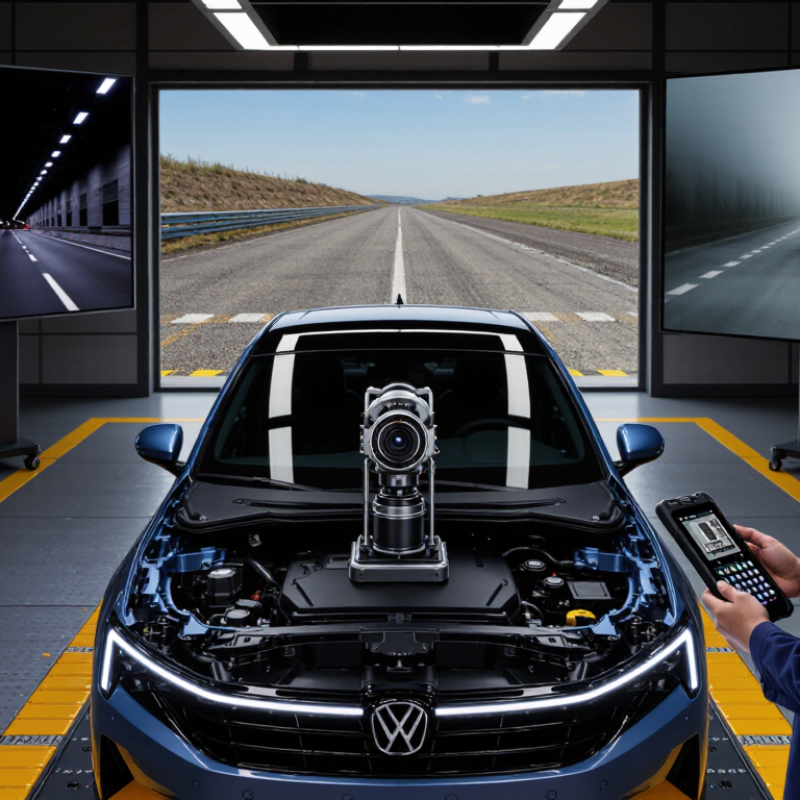
How to Choose the Right Automotive Camera Supplier in 2026?

Define Your Automotive Camera Requirements for 2026

Define Your Automotive Camera Requirements for 2026

In 2026, automotive camera selection should start with vehicle use cases, not a supplier’s sales brochure. Define whether the camera supports parking, driver monitoring, surround view, or automated driving functions. Each function needs different resolution, lens coverage, latency, and night performance. Write measurable targets, such as 1920 by 1080 pixels, a 120-degree field of view, and less than 100 milliseconds of latency. Also record temperature ranges, vibration exposure, connector location, and available processing power. Small details matter.

Tips: Ask suppliers to explain how each specification was tested. Request sample images from tunnels, rain, glare, and dusty roads. Review failure data, calibration procedures, cybersecurity controls, and production traceability. Do not accept vague claims. A reliable supplier should identify product limits instead of hiding them.

Your engineering team should compare prototypes under repeatable conditions. Use the same targets, test routes, lighting changes, and software versions. Check image quality after heat soak and cold starts. Confirm long-term availability, firmware update methods, diagnostic support, and replacement policies. Ask who owns the test evidence. That question can expose weak processes. Real-world experience matters, but it should be documented. I have seen promising samples fail when a windshield angle changed. That issue is easy to miss. Leave room for revision.

Evaluate Image Quality, Sensor Technology, and Camera Performance

How to Choose the Right Automotive Camera Supplier in 2026?

Evaluate Image Quality, Sensor Technology, and Camera Performance

Choosing an automotive camera supplier requires more than comparing megapixels. In evaluation work, inspect images from tunnels, parking garages, wet roads, and direct sunlight. A strong camera preserves lane markings without washing out bright signs. It also reveals dark obstacles without excessive noise. Request original image files, not compressed presentation samples.

Sensor technology affects daily reliability. Ask whether the sensor supports wide dynamic range, fast exposure control, and stable color under changing light. Check pixel size, shutter behavior, and low-light sensitivity. Global shutter performance can reduce motion distortion near moving vehicles. However, specifications alone can mislead. A sensor with impressive resolution may perform poorly behind a tinted windshield.

Test the complete camera, not only the sensor. Measure latency, frame consistency, thermal stability, and lens alignment after vibration testing. Examine images after several hours in heat, because focus drift can appear late. Supplier experience matters when calibration data, production tolerances, and failure analysis are transparent. Review sample inspection reports and request repeatable test conditions. Small details matter.

A perfect laboratory image can hide practical weaknesses. I have seen sharp prototypes lose clarity after housing changes. That lesson remains easy to overlook. Choose suppliers willing to share flaws, correct designs, and support independent validation. Reliability begins with evidence, not polished claims.

Assess Supplier Expertise, Manufacturing Capacity, and Quality Systems

How to Choose the Right Automotive Camera Supplier in 2026?

A capable automotive camera supplier should understand vehicle integration, not only image sensors. Ask for evidence from similar programs, including low-light testing, vibration exposure, and thermal cycling. Experienced engineers can explain lens alignment, housing design, condensation control, and software validation in practical terms. A polished presentation can still hide weak process control. Request test reports, sample units, and clear failure data.

Manufacturing capacity matters when production moves beyond prototypes. Review the supplier’s pilot lines, automated inspection, calibration equipment, and expansion plans. Walk through the facility if possible. Check how each camera is traced from incoming components to final shipment. A strong quality system should include controlled work instructions, measurement records, corrective actions, and regular process audits. Ask how defects are contained. The answer often reveals more than a certificate.

Tips: Compare actual production evidence, not promises. Examine several units from different batches. Ask whether capacity figures include backup equipment and trained operators. Confirm how engineering changes are approved and communicated. I would also request a small validation build before signing a long-term agreement. It may seem slower. That hesitation can expose weak calibration, inconsistent focus, or incomplete documentation early. No supplier is perfect. Look for honest reporting, fast correction, and measurable improvement.

Verify Compliance, Cybersecurity, and Automotive Industry Standards

Choosing an automotive camera supplier in 2026 requires more than checking image quality or delivery speed. Verify alignment with ISO 26262 for functional safety, ISO/SAE 21434 for cybersecurity, and IATF 16949 for automotive quality management. UNECE R155 and R156 also demand structured cybersecurity and software-update processes in relevant markets. Ask for scope, audit dates, and corrective-action records. A certificate without clear coverage proves little.

Cybersecurity evidence must reach the camera itself. Request secure boot, signed firmware, access controls, vulnerability reporting, and a current software bill of materials. The Verizon 2024 Data Breach Investigations Report analyzed 30,458 security incidents and 10,626 breaches. Vulnerability exploitation accounted for 14% of breaches. That figure should influence supplier questions, even when the camera is not internet-facing. IBM’s 2024 Cost of a Data Breach Report placed the global average breach cost at 4.88 million dollars. A small overlooked interface can create an expensive weakness.

Tips: Inspect a sample camera, its firmware version, connector seals, and calibration label. Ask how failed units are quarantined. Request penetration-test summaries and traceability records. Confirm Automotive SPICE practices where software development is significant. Do not accept “secure by design” as evidence. It sounds reassuring, but it is not measurable. Supplier reviews are rarely perfect; teams may miss outdated libraries or incomplete regional requirements. Recheck both before production approval.

Compare Costs, Support Services, and Long-Term Partnership Value

How to Choose the Right Automotive Camera Supplier in 2026?

Choosing an automotive camera supplier is not simply a price comparison. A low unit cost can hide calibration work, shipping delays, or expensive redesigns. Request an itemized quotation covering sensors, lenses, housings, testing, packaging, and warranty terms. During evaluation, test cameras in rain, glare, darkness, vibration, and temperatures below freezing. Real road conditions reveal weaknesses that a clean laboratory often misses. Ask for measured image quality, failure rates, and traceable test records. Experience should appear in evidence, not confident promises.

Support becomes critical after installation. Confirm who handles software updates, technical questions, field failures, and replacement units. A dependable supplier should provide clear response times and an escalation process. Ask whether engineers can review sample images and diagnose issues remotely. Check calibration instructions, connector documentation, and training materials before signing. Small gaps become costly later. I have seen projects lose weeks because one cable specification was unclear. That mistake is easy to prevent, but often ignored.

Long-term partnership value depends on openness. Discuss forecast changes, engineering modifications, production capacity, and end-of-life planning. Review quality reports instead of accepting general assurances. A supplier should explain how corrective actions are tested and recorded. Cost matters, but stable delivery and fast problem solving may protect more value. My own scoring sheets have sometimes favored the cheapest offer too strongly. That deserves reflection. A practical review should include total ownership cost over three to five years, not only the first purchase order. Choose a partner willing to challenge your assumptions respectfully.

FAQS

How should automotive camera requirements be defined for 2026?

Start with the vehicle’s actual function, such as parking, driver monitoring, or surround view. Set measurable targets for resolution, field of view, latency, and night performance. For example, require 1920 by 1080 pixels, a 120-degree view, and latency below 100 milliseconds. Small details matter.

What environmental conditions should engineers record?

Record temperature ranges, vibration exposure, connector location, and available processing power. Test cameras after heat soaking and during cold starts. Include rain, glare, darkness, tunnels, and dusty roads. Clean laboratory conditions can hide practical weaknesses.

How can suppliers’ technical claims be checked?

Ask how every important specification was tested. Request sample images from tunnels, heavy rain, glare, and dusty roads. Review failure data, calibration methods, cybersecurity controls, and production traceability. Avoid vague promises.

What should prototype comparisons include?

Use identical targets, routes, lighting changes, and software versions. Test prototypes under repeatable conditions. Check image quality during vibration, freezing temperatures, darkness, and sudden glare. A windshield angle once caused an unexpected failure. That detail deserves attention.

How should camera supplier costs be compared?

Request an itemized quotation for sensors, lenses, housings, testing, packaging, and warranty coverage. Include calibration work, shipping delays, redesign risks, and replacement costs. Compare total ownership costs across three to five years. The cheapest quote may not be cheapest overall.

What support services should be confirmed before installation?

Confirm responsibility for software updates, technical questions, field failures, and replacement units. Ask for response times and a clear escalation process. Check calibration instructions, connector documents, training materials, and remote diagnostic support. One unclear cable specification can waste weeks.

Why are long-term partnership issues important?

Discuss forecast changes, engineering modifications, production capacity, and end-of-life planning. Review quality reports and corrective-action records. Ask how fixes are tested and documented. Stable delivery may protect more value than a small initial discount.

How can an engineering team improve its supplier scoring?

Score evidence, support quality, delivery stability, and total ownership cost. Do not rely only on polished samples or confident presentations. Include documented real-world experience in the evaluation. My own scoring sheets have favored low prices too strongly. That needs reflection.

Conclusion

Choosing the right Automotive Camera supplier in 2026 requires a clear understanding of your vehicle program, including camera type, resolution, viewing range, environmental conditions, integration needs, and future scalability. Begin by evaluating image quality, sensor technology, low-light performance, dynamic range, latency, reliability, and overall camera performance under real driving conditions. These factors directly affect safety, driver assistance, perception accuracy, and system dependability.

Supplier evaluation should also include engineering expertise, manufacturing capacity, quality management systems, testing procedures, and the ability to support consistent production at scale. Confirm compliance with relevant automotive standards, functional safety expectations, data protection requirements, and cybersecurity practices. Finally, compare total cost rather than unit price alone, considering development support, validation resources, software updates, warranty policies, communication, and long-term supply stability. A strong supplier should offer dependable technical collaboration, transparent risk management, and continuous improvement throughout the vehicle lifecycle.


Sophia

Sophia

Sophia is a dedicated marketing professional with an exceptional depth of knowledge about her company's products and services. With a keen understanding of market trends and customer needs, she crafts insightful blog posts that not only inform but also engage readers, enriching the company’s online......