Choosing China’s top All Weather Surveillance Camera suppliers requires more than comparing catalog prices. A dependable supplier must prove performance in rain, dust, heat, cold, vibration, and unstable lighting. Product photographs are not enough. Ask for test reports, ingress-protection ratings, operating-temperature data, warranty terms, and firmware support.
Bruce Schneier, a respected security technology expert, states, “Security is a process, not a product.” This principle also applies to surveillance cameras. A strong supplier should understand the complete deployment, from lens selection and infrared range to network stability and storage planning. In coastal areas, salt corrosion can damage exposed connectors. In industrial yards, dust may cover the lens within days. Small details become expensive failures.
The best All Weather Surveillance Camera suppliers usually provide clear evidence of field experience. Look for IP66 or IP67 protection, IK10 impact resistance, wide dynamic range, night imaging, and reliable temperature control. Thermal models may help in darkness, smoke, or fog, but they are not a universal solution. Each site needs testing.
Do not trust every ranking.
Supplier audits should include factory capacity, quality-control records, sample consistency, certification validity, and after-sales response times. A supplier may offer advanced artificial intelligence while missing basic image stability. That weakness matters. This article outline will compare leading Chinese suppliers through measurable specifications, manufacturing credibility, customization ability, and real-world service. Some conclusions may remain provisional, because product lines and export support change quickly.
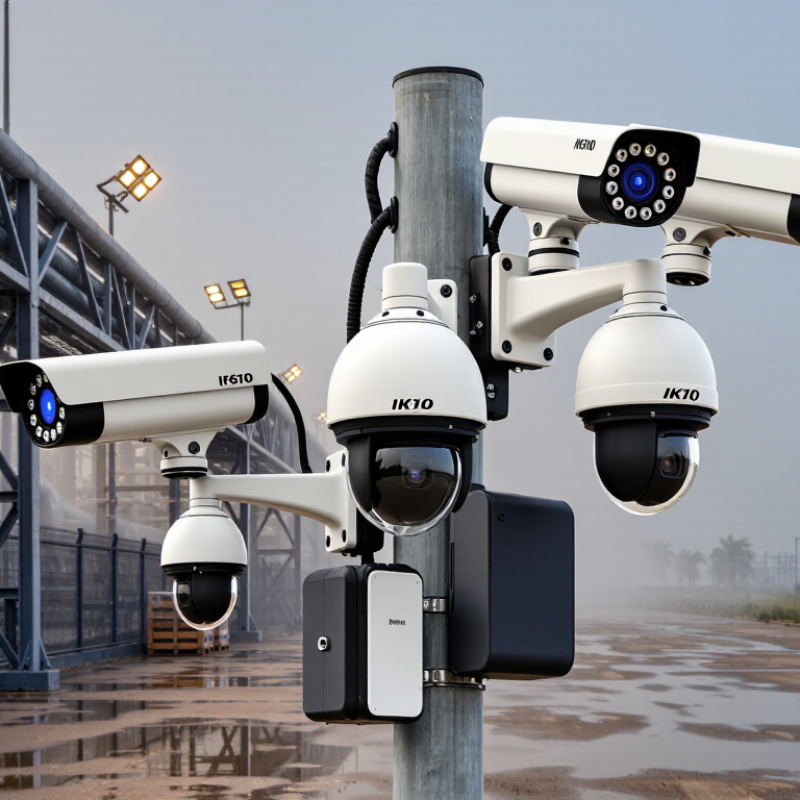
An all-weather surveillance camera must survive more than rain. It should handle dust, snow, heat, freezing temperatures, and sudden weather changes. Look for tested IP66 or IP67 protection against water and particles. A strong IK rating also helps resist accidental impacts. However, ratings alone do not prove long-term reliability.
In field installations, condensation often causes more trouble than heavy rain. A useful camera needs sealed housing, controlled ventilation, and stable temperature performance. Infrared lighting should remain clear through mist and darkness. Wide dynamic range helps preserve faces near bright entrances. Corrosion-resistant materials matter in coastal or industrial areas. I have seen poorly mounted cameras fail early, even with good specifications. Installation is part of camera quality.
Tips: Check the operating temperature range, not just the storage range. Inspect cable glands and connectors carefully. Test night images after installation. Clean the lens regularly, especially near roads or construction sites. Ask for independent test reports when available. A camera can be weatherproof on paper, yet unsuitable for a windy rooftop. That detail is easy to miss.
China’s Leading All-Weather Surveillance Camera Suppliers
China’s leading all-weather surveillance camera suppliers focus on dependable performance in rain, dust, heat, and freezing conditions. Experienced manufacturers usually offer outdoor models with IP66 or IP67 protection, but these ratings need careful verification. A sealed housing helps. It does not prevent every installation problem.
Reliable suppliers also support wide dynamic range, infrared night vision, corrosion-resistant materials, and stable network connections. In coastal areas, salt air can damage exposed metal within months. Suppliers with testing records, clear specifications, and responsive technical teams deserve closer attention. Ask for sample footage, temperature test results, and details about warranty handling. Paper specifications alone can mislead.
Tips: Inspect cable glands before installation. Leave drainage space beneath mounting points. Confirm night images during rain, not only in a showroom. Check whether the camera maintains focus after temperature changes. A local installer’s experience can reveal practical weaknesses that laboratory reports miss. Also, avoid choosing only by the lowest quotation. That approach often creates replacement costs later. No camera is maintenance-free. Dust still collects, seals still age, and software updates still require attention.
IP66, IP67, and IP68 are common environmental-protection benchmarks used when evaluating all-weather surveillance cameras. The chart compares the standardized water-exposure test duration associated with each rating. IP68 has no single universal depth or duration because the test condition is defined by the manufacturer.
Reference framework: IEC 60529 ingress-protection classifications. All ratings shown use the highest dust-protection level, “6” (dust-tight).
Weather-resistant cameras depend on more than a sealed housing. Reliable suppliers in China typically combine enclosure design, sensor protection, and stable power management. An IP66 or IP67 rating helps resist rain and dust, but testing conditions matter. A camera facing coastal wind needs stronger corrosion protection than one installed inland.
Gaskets made from silicone or EPDM help block moisture around the lens and cable ports. Hydrophobic lens coatings reduce water spots during heavy rain. Built-in heaters prevent condensation when temperatures change quickly. In cold regions, thermostatic control saves energy while keeping the lens clear. In hot areas, aluminum housing and heat paths reduce sensor stress. Small details matter.
Infrared LEDs support night monitoring, but poor optical separation can create reflections on wet glass. Wide dynamic range preserves details near headlights and dark shadows. Surge protection is also important when outdoor cables face unstable weather. Field tests should include thermal cycling, salt fog, vibration, and long rain exposure. Laboratory results can look excellent.
Real sites are less forgiving. Dust may enter through a neglected connector. A heater may consume more power than expected. Even a strong seal can weaken after years of sunlight. Suppliers should provide test records, maintenance guidance, and clear operating limits. Buyers should inspect those details, not only the camera’s resolution.
Comparing Chinese all-weather surveillance camera suppliers requires more than counting pixels. Start with the installation environment. A coastal site needs corrosion-resistant housing and sealed cable connections. A mountain project may require heating, lightning protection, and stable operation below zero. Check the IP66 or IP67 rating, but ask how it was tested. A printed claim is not enough.
Request identical samples from several suppliers. Test them outdoors during rain, dust, darkness, and sudden temperature changes. Compare night images at 30 meters, not only showroom footage. Check infrared reflection, motion blur, wide dynamic range, and audio quality. Confirm whether the camera supports ONVIF, RTSP, PoE, and your video management system. Small compatibility gaps create expensive delays.
Supplier evaluation should include the factory, not only the sales office. Review production records, lens calibration, sensor sources, firmware controls, and quality inspection photos. Ask for recognized laboratory reports and clear warranty terms. A responsive engineer can matter more than a low quotation. Be careful with unusually perfect specifications. I have seen strong samples followed by weaker bulk units. A pre-shipment inspection helps, although it cannot replace long-term field testing. Keep written records of every promised feature, revision, and delivery condition.
Key Industries Using All-Weather Surveillance Systems
All-weather surveillance systems are becoming essential across transport, energy, construction, and agriculture. Grand View Research reported that the global video surveillance market reached about USD 83.3 billion in 2023. Its analysis also projects strong growth through 2030, driven by networked cameras and analytics.
Transport operators use weather-resistant cameras at tunnels, bridges, rail yards, and roadside checkpoints. Heavy rain can blur lenses, while winter ice can disable exposed equipment. Reliable systems need sealed housings, infrared support, stable heating, and clear low-light performance. The International Energy Agency reported that global electricity demand may grow by more than 6% annually through 2026. This growth increases monitoring needs around substations, solar fields, and wind farms. Small failures can become expensive.
Construction sites use cameras to observe equipment, material storage, and changing work zones. Agriculture uses them near greenhouses, livestock areas, and irrigation controls. These environments are not clean laboratories. Dust, vibration, insects, and sudden temperature changes still challenge maintenance teams. The International Data Corporation has identified edge computing as a major factor in faster industrial decision-making. Local processing can reduce network delays and bandwidth use, but it may also create false alerts. That weakness deserves honest testing. Procurement teams should request long-duration weather trials, sample footage, maintenance records, and performance data from comparable sites. A camera that survives one storm is not necessarily dependable year-round.
| Industry | Typical Deployment Areas | Weather and Environmental Conditions | Recommended Camera Functions | Common Protection Requirements | Integration and Connectivity | Key Supplier Evaluation Criteria |
|---|---|---|---|---|---|---|
| Ports and Logistics | Container yards, gates, loading zones, warehouses, perimeter roads, and truck entrances | Salt mist, rain, wind, dust, glare, vibration, and changing light conditions | Day/night imaging Long-range zoom Automatic license-plate capture Low-light imaging | Outdoor enclosures commonly specified at IP66 or higher; corrosion-resistant housing may be required in marine environments | Fiber, Ethernet, wireless links, video management systems, access-control systems, and logistics platforms | Image quality at long distances, fast moving-object capture, anti-corrosion construction, reliable continuous operation, and open-protocol support |
| Oil, Gas, and Petrochemical Facilities | Tank farms, pipelines, processing areas, loading terminals, and restricted perimeters | Rain, humidity, dust, temperature changes, chemical exposure, and potentially hazardous atmospheres | Thermal imaging Visible-light imaging Gas or flame monitoring integration Intrusion detection | IP66 or higher is commonly required for outdoor protection; hazardous-area installations require equipment certified for the applicable explosive atmosphere zone | Industrial Ethernet, fiber, alarm systems, SCADA interfaces, and centralized security platforms | Appropriate hazardous-area certification, temperature rating, corrosion resistance, fail-safe operation, and compatibility with industrial control systems |
| Mining and Quarrying | Open-pit mine roads, haulage routes, stockpiles, crushers, processing plants, and site boundaries | Heavy dust, mud, rain, vibration, impact, low visibility, and substantial temperature variation | Thermal detection Wide dynamic range Vehicle monitoring Perimeter analytics | IP66 or IP67 depending on exposure; impact resistance under IEC 62262 may be specified for vulnerable installations | Fiber, industrial wireless networks, edge recording, dispatch systems, and fleet-management platforms | Dust sealing, vibration resistance, impact protection, stable performance in low visibility, and maintainability in remote locations |
| Power Generation and Utilities | Substations, solar farms, wind farms, transmission corridors, dams, and utility perimeters | Sun exposure, rain, snow, wind, humidity, electromagnetic interference, and remote-site conditions | Perimeter protection Thermal inspection support Wide-area monitoring Event-based recording | IP66 or higher for exposed outdoor equipment; surge protection and grounding are important for installations vulnerable to lightning | Fiber, microwave, cellular networks, remote monitoring centers, alarm systems, and operational technology networks | Cybersecurity controls, electromagnetic compatibility, surge protection, low maintenance requirements, and reliable remote diagnostics |
| Highways and Intelligent Transportation | Toll areas, tunnels, bridges, intersections, service roads, and traffic-control zones | Rain, fog, snow, road spray, vehicle vibration, headlight glare, and rapid day-to-night changes | Traffic monitoring Incident detection License-plate capture Low-light and fog performance | IP66 or higher is common for roadside equipment; vandal- and impact-resistant housings may be specified in public areas | Fiber, cellular, traffic-management systems, variable-message signs, emergency call systems, and video analytics platforms | Motion clarity, glare control, accurate time synchronization, low-latency transmission, and stable operation in changing weather |
| Railways and Metro Systems | Stations, platforms, depots, level crossings, rail corridors, tunnels, and maintenance yards | Rain, snow, dust, vibration, tunnel darkness, reflections, and electromagnetic interference from rail equipment | Platform monitoring Perimeter detection Crowd monitoring Low-light imaging | Outdoor cameras commonly require IP66 or higher; vibration, fire-performance, and railway electromagnetic-compatibility requirements may apply by project | Fiber, dedicated rail networks, passenger-information systems, emergency communication, and centralized video management | Vibration resistance, dependable synchronization, rapid event retrieval, railway-system compatibility, and lifecycle support |
| Construction and Large Infrastructure | Construction gates, cranes, material yards, temporary roads, elevated structures, and project boundaries | Dust, mud, rain, wind, direct sunlight, accidental impact, and frequent site layout changes | Remote pan-tilt-zoom Time-lapse recording Worker and vehicle monitoring Perimeter alerts | IP65 to IP67 may be selected according to exposure; impact-resistant housings are useful in active work zones | Cellular, temporary fiber, wireless mesh, cloud or edge recording, and project-management systems | Fast deployment, flexible mounting, remote configuration, weather sealing, storage scalability, and simple maintenance |
| Agriculture and Livestock | Farm boundaries, greenhouses, livestock housing, feed areas, irrigation facilities, and access roads | Humidity, rain, dust, mud, condensation, direct sunlight, insects, and limited network availability | Night vision Animal monitoring Perimeter alerts Temperature monitoring | IP66 or higher is generally suitable for exposed farm locations; corrosion-resistant materials may be needed in humid or ammonia-rich areas | Wi-Fi, cellular, long-range wireless, solar power systems, edge storage, and mobile notifications | Low power consumption, dependable connectivity, easy cleaning, solar compatibility, remote health monitoring, and affordable maintenance |
| Public Safety and Critical Facilities | Government sites, campuses, public venues, border areas, emergency facilities, and secure perimeters | Outdoor rain, snow, heat, cold, dust, vandalism, changing illumination, and high user traffic | Facial or object detection where legally permitted Crowd monitoring Perimeter analytics Evidence-quality recording | IP66 or higher outdoors; IK-rated impact protection, secure mounting, and tamper detection may be required | Secure IP networks, command centers, access control, alarm systems, evidence-management systems, and redundant storage | Data protection, cybersecurity, audit trails, retention controls, dependable analytics, and compliance with applicable privacy laws |
It should withstand rain, dust, snow, heat, freezing temperatures, and sudden weather changes. Look for tested IP66 or IP67 protection. A strong IK rating helps resist accidental impacts. Ratings alone do not guarantee long-term performance.
Condensation can blur images and damage internal components. Sealed housing, controlled ventilation, and stable temperature performance help reduce this risk. Heavy rain is not always the main threat. This detail is easy to overlook.
Check the operating temperature range, not only the storage range. Review infrared performance, wide dynamic range, corrosion resistance, and network stability. Confirm cable glands, connectors, and mounting hardware. Small parts matter.
Test night images outdoors after installation. Check faces, motion blur, infrared reflections, and focus at about 30 meters. Test during rain or mist when possible. Showroom footage can look better than reality.
These locations need corrosion-resistant materials and sealed cable connections. Salt air can damage exposed metal within months. Inspect metal surfaces, cable glands, and mounting points carefully. A dry specification sheet cannot show everything.
Request identical samples from several suppliers. Test them in rain, dust, darkness, and changing temperatures. Compare image quality, infrared clarity, network stability, and system compatibility. Lowest price is not always lowest cost.
Confirm support for ONVIF, RTSP, PoE, and the planned video management system. Check connector types and network requirements before ordering. Small compatibility gaps can delay an entire installation. Test this early.
Inspect production records, lens calibration, firmware controls, and quality checks. Request recognized laboratory reports and clear warranty terms. Use a pre-shipment inspection for bulk units. Still, inspection cannot replace long-term field testing. I may trust samples too quickly.
An All Weather Surveillance Camera is designed to deliver stable, reliable monitoring in rain, snow, dust, humidity, strong sunlight, and changing temperatures. This article explains the main features that define weather-resistant surveillance equipment, including durable housing, effective sealing, corrosion protection, wide operating temperature ranges, and dependable image performance in difficult outdoor conditions. It also introduces the capabilities commonly offered by leading Chinese suppliers, while focusing on product quality, customization, technical support, production capacity, and supply reliability rather than specific brand names.
The article further examines core technologies such as infrared night vision, high-resolution imaging, intelligent video analysis, remote connectivity, and protective enclosure design. It provides practical guidance for comparing suppliers by evaluating certifications, testing standards, warranty policies, delivery performance, and after-sales service. Finally, it highlights how all-weather surveillance systems support transportation, industrial sites, energy facilities, public infrastructure, agriculture, and other demanding outdoor environments where continuous visibility and dependable operation are essential.

Xiyue Electronics