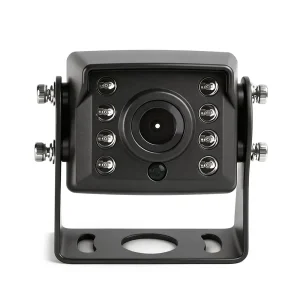
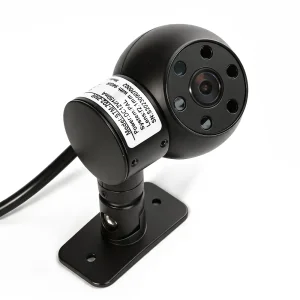
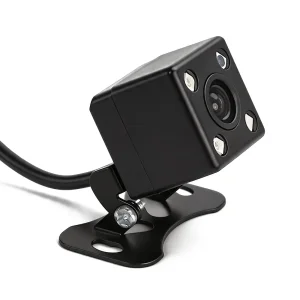
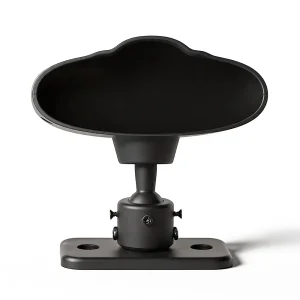
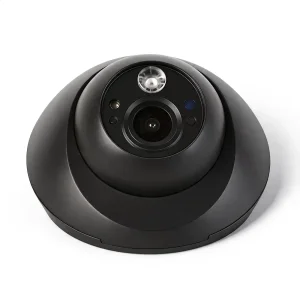
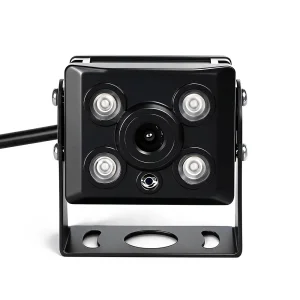
Explore our primary array of high-durability, IP67/IP69K starlight and wide-angle vehicle cameras ready for direct commercial deployment.
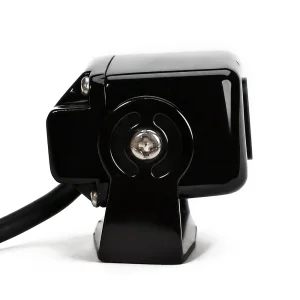
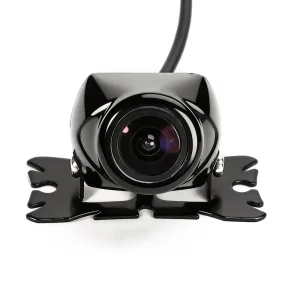
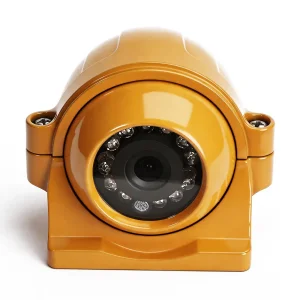
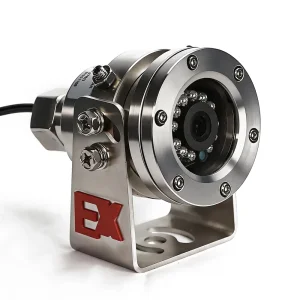
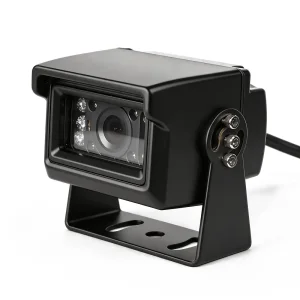
The critical role of high-hardness, resilient imaging systems in modern commercial fleets and automated logistics networks.
In the rapidly expanding landscape of commercial transportation, autonomous mining, and advanced driver assistance systems (ADAS), optical camera modules function as the primary "eyes" of machine learning systems. However, these systems face continuous exposure to demanding, abrasive environments. Mechanical degradation—caused by windborne silica dust, automatic vehicle scrubbers, chemical solvents, road salt, and physical debris—can quickly ruin the optical clarity of standard polymer or uncoated glass lenses.
For fleet operators and industrial vehicle manufacturers, the consequences of lens degradation are direct and costly. Scratched lenses cause light scattering, increased glare, and loss of contrast. These distortions interfere with edge-computing vision algorithms, leading to system dropouts or false positives. By integrating scratch-resistant camera systems utilizing Diamond-Like Carbon (DLC) or physical vapor deposition (PVD) coatings, operators can protect their equipment, maintain high optical transmission, and achieve reliable operation across long service lifetimes.
"According to industrial reliability evaluations, switching to cameras with DLC scratch-resistant lenses reduces optical maintenance costs by up to 67% and decreases systemic false alerts in ADAS systems by 42% over a standard 3-year operations window."
Today's global standard requires more than just standard waterproofing. Devices must deliver complete reliability against physical wear. This makes high-hardness exterior cameras essential for transport fleets, urban mass transit systems, agricultural machinery, and specialized emergency response vehicles operating in challenging environments worldwide.
An engineering deep-dive into how specialty coatings preserve signal integrity and sensor precision.
DLC coatings apply a micro-layer of amorphous carbon with high diamond-like bond properties. This creates an extremely hard surface that protects the camera glass from high-velocity dust impacts and physical scratches.
Chemical treatments modify the surface energy of the glass, creating a high contact angle (>110°) that causes water and oils to bead up and run off cleanly. This prevents mineral spots from drying on the lens and obscuring the view.
Multi-layered coatings reduce ghosting, reflections, and internal flare. This helps maximize light transmission to the high-sensitivity starlight sensor, ensuring clear image capture even in low-light conditions.
How integrated supply chains, advanced automation, and systematic testing deliver world-class cost performance.
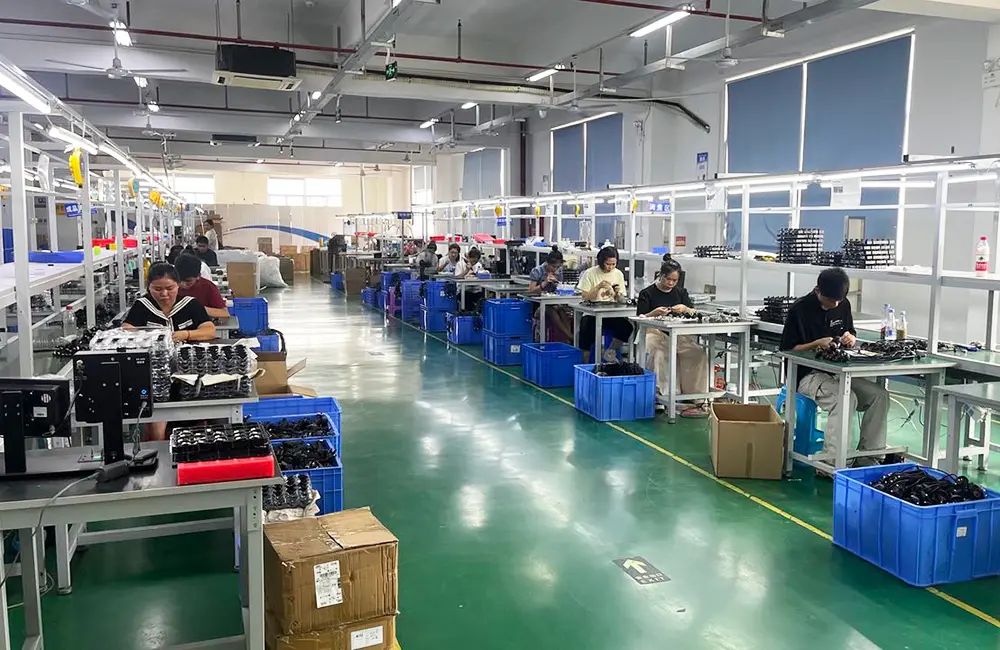
Leveraging China's mature automotive electronics manufacturing ecosystem, Xiyue Electronic Information Technology Co., Ltd. coordinates a robust, highly optimized supply network. This structure allows us to balance rapid production times with strict engineering tolerances. We utilize advanced optical alignment technologies and automated SMT systems to guarantee precise sensor-to-lens alignment for uniform, corner-to-corner focus.
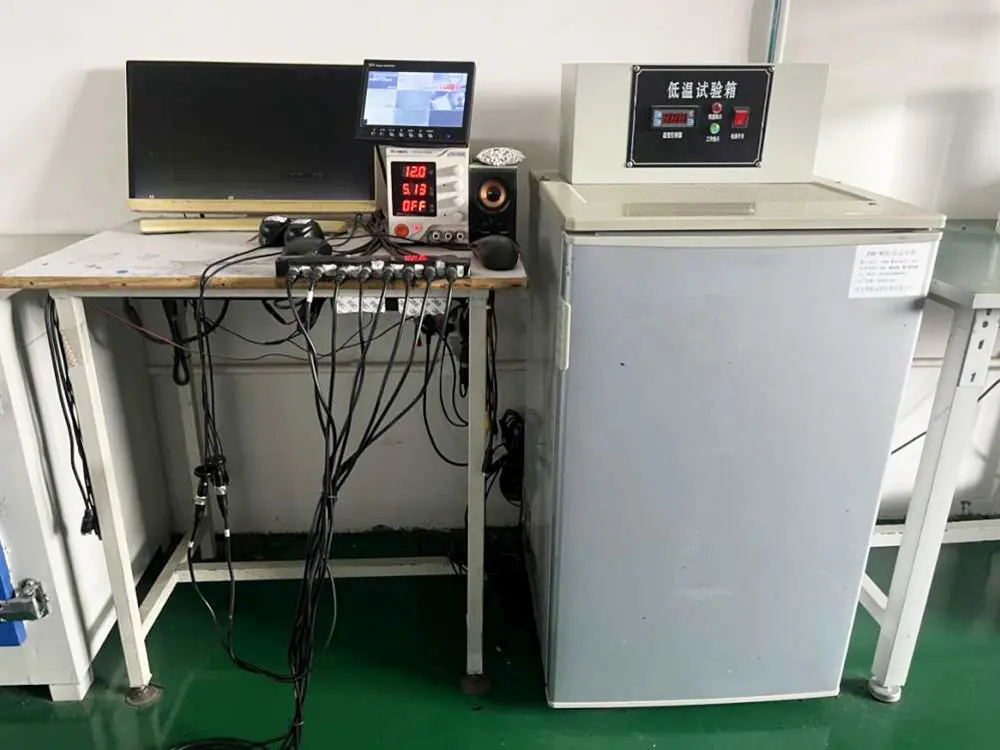
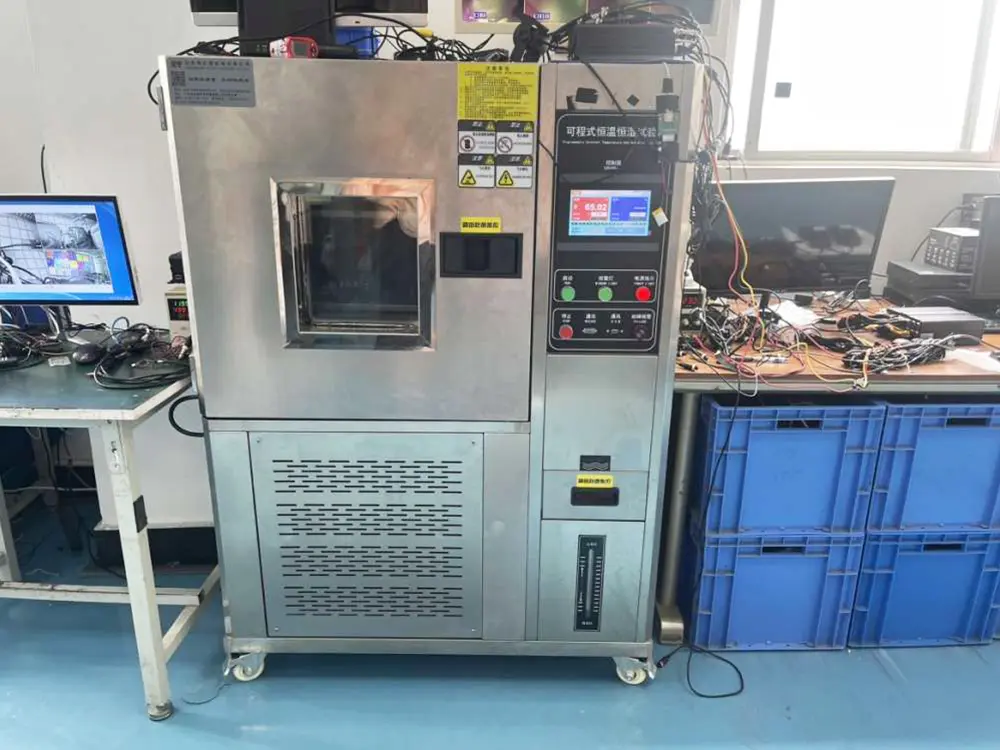
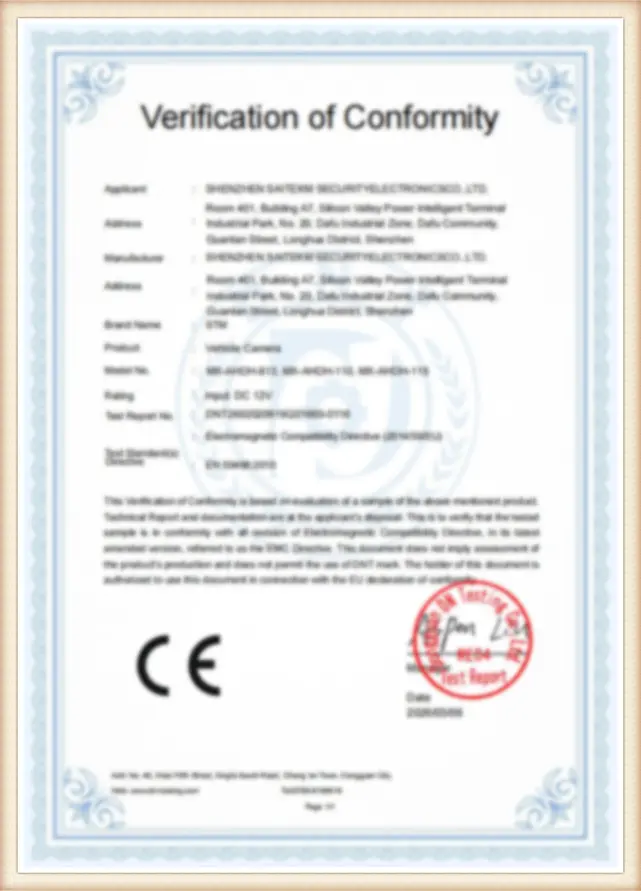
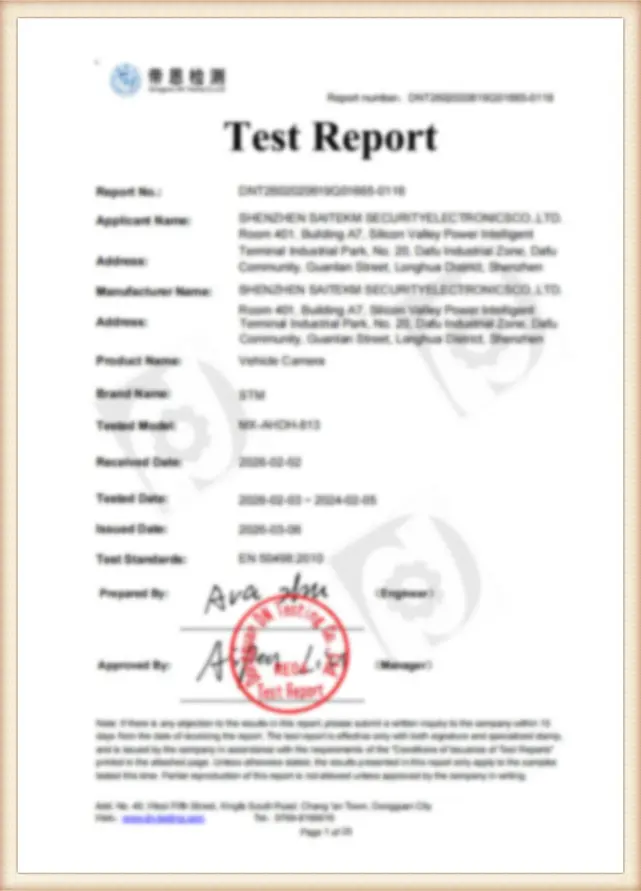
Every camera production batch undergoes a battery of quality and reliability checks before leaving our facilities. We design and test components to stand up to long-term exposure in the field:
Our proximity to local component resources reduces transit lead times and protects against raw material shortages. This logistics advantage allows us to support both stock orders and customized ODM/OEM requests with predictable timelines and stable pricing structures.
See how our durable camera systems are deployed across diverse, demanding global industries.
In heavy mining and quarrying applications, dust and abrasive debris can degrade standard camera glass. Hardened lenses protect against silica dust and fine particulate matter, helping retain clear rear-view and blind-spot visibility for heavy haulers and excavators.
Long-distance commercial fleets face changing weather, road salt, and frequent high-pressure washes. Hardened external cameras maintain clarity through these conditions, providing reliable imaging data for lane departure and collision warning algorithms.
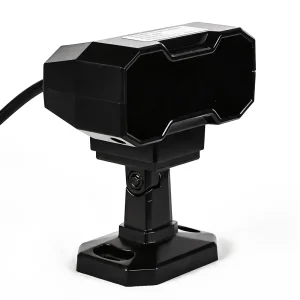
Driver Monitoring Systems (DMS) require clear, unobstructed internal views to detect driver fatigue and distraction. Scratch-resistant camera housings protect the lens from accidental impacts, cleaning abrasions, and operator interference, ensuring reliable safety tracking.
Essential benchmarks for system integrators, fleet managers, and procurement professionals.
When purchasing vehicle camera systems in volume, procurement teams must balance unit costs against long-term maintenance expenses. Selecting low-cost, unprotected cameras often leads to increased replacement costs, vehicle downtime, and system maintenance overhead later on. A smart procurement strategy should focus on total cost of ownership (TCO) by evaluating key optical and mechanical performance metrics.
We recommend prioritizing the following standard parameters during the RFQ (Request for Quotation) and qualification phase:
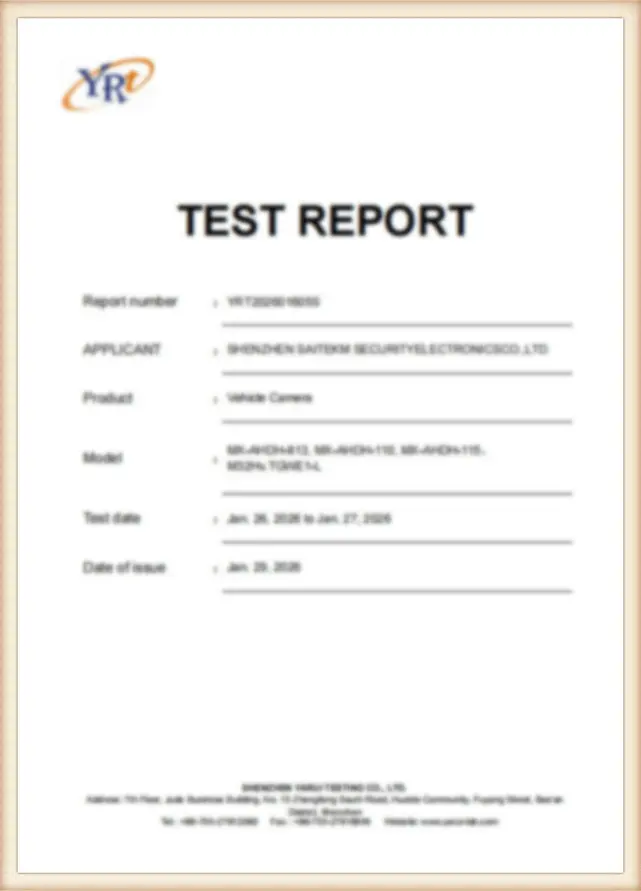
Xiyue supports global procurement teams by providing detailed engineering drawings, comprehensive test documentation, and transparent sample approval processes. This support helps streamline system integration and minimize supply chain risks.
Xiyue Electronic Information Technology Co., Ltd. — Your Trusted Automotive Electronics Sourcing Partner
Xiyue Electronic Information Technology Co., Ltd. is a professional and reliable foreign trade enterprise focusing on global export of high-performance vehicle-mounted camera systems and full-series automotive electronic products. More than a mere product supplier, we serve as a long-term strategic procurement partner for global overseas buyers, focusing on simplifying cross-border procurement procedures and reducing overall purchasing costs for all clients.
We adhere to a one-stop comprehensive service mode, covering professional product recommendation, accurate quotation, OEM/neutral packaging customization, unified quality inspection, cross-border logistics and complete after-sales support. Our core mission is to provide worry-free, efficient and stable overall procurement solutions for global automotive electronics distributors, fleet companies and engineering equipment merchants.

We develop and supply full-range automotive electronic safety products to improve driving safety and vehicle operation efficiency for passenger cars, commercial vehicles, engineering machinery and hazardous transport vehicles. Our complete product lineup covers:

Detailed answers to common questions about scratch-resistant camera lenses, ordering, and customization.
Explore our specialized interior DMS, driver fatigue warning systems, and starlight forward-facing cameras.
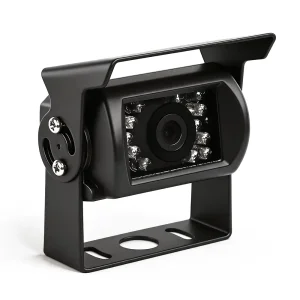
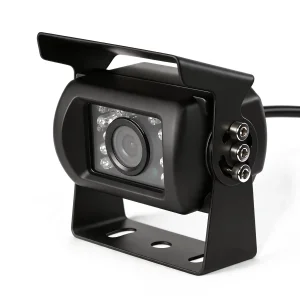
 Xiyue Electronics