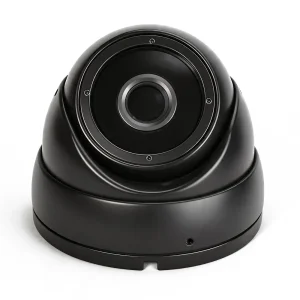
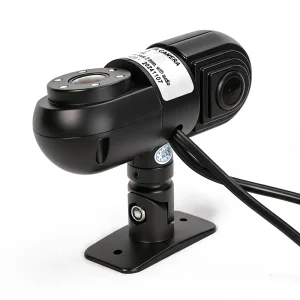
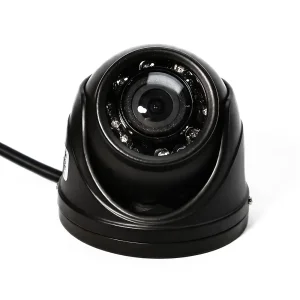
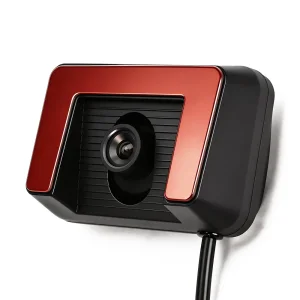
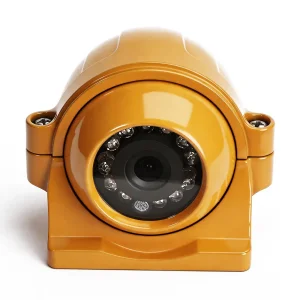
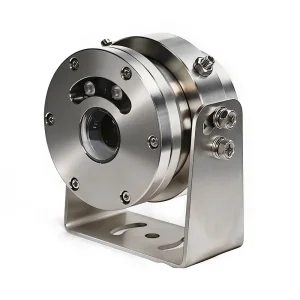
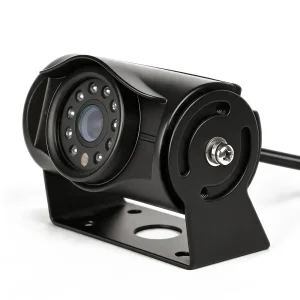
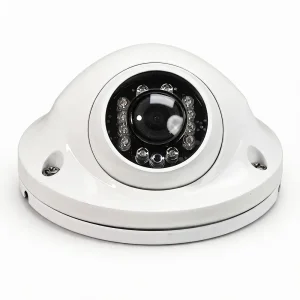
Explore our elite range of CE-certified, starlight night vision, and explosion-proof imaging terminals engineered for commercial fleets.
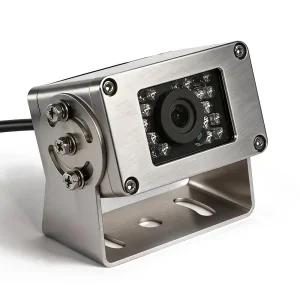
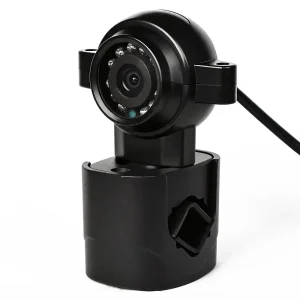
In modern industrial imaging and commercial transportation, camera performance is constantly challenged by extreme light variances. Strong Light Suppression (SLS), also integrated with Highlight Compensation (HLC) and advanced Wide Dynamic Range (WDR), represents the pinnacle of optical engineering designed to mitigate glare. Whether it is oncoming high-beam headlights on a dark highway, reflective industrial surfaces, or direct sunlight, standard cameras suffer from pixel saturation or "blooming."
By leveraging intelligent Image Signal Processors (ISP) combined with multi-exposure CMOS hardware sensors, SLS cameras actively identify overexposed localized zones. The algorithm selectively dims these targeted bright pixels while digitally amplifying low-light details in adjacent shadow regions. This ensures a balanced, crisp 1080P output, maintaining maximum operational awareness and data fidelity under the harshest illumination changes.

How SLS imaging technologies protect logistics networks, mining sectors, and global transportation grids.
Heavy-duty distribution networks require uninterrupted night shipping. SLS cameras installed as front ADAS or rear backup monitors suppress blinding retroreflective highway signs and high beams, lowering collision rates by up to 34% in low-visibility environments.
Heavy machinery operating in dark pits relies on powerful floodlights. Standard cameras blank out under these intense point-source lights. SLS systems maintain clean visual feeds for remote operators and AI proximity-warning software.
Explosion-proof cameras with built-in SLS technology are mandatory for oil tankers and chemical haulers. Unbalanced exterior light reflections can conceal surrounding physical barriers; high-dynamic imaging ensures safety compliance and risk mitigation.
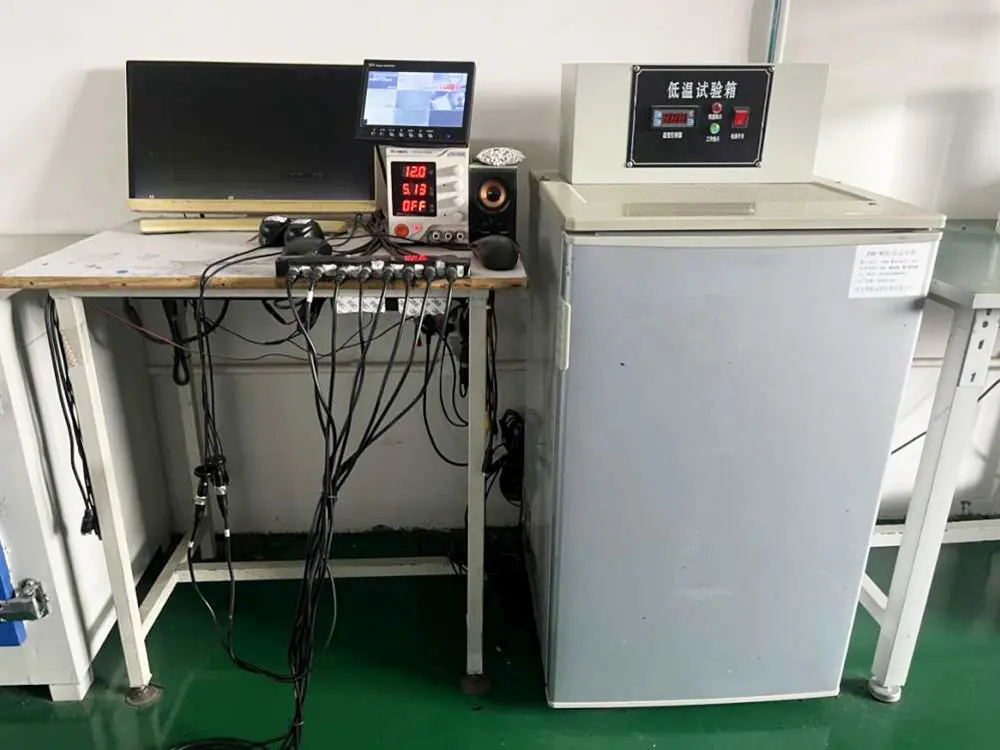
China's automotive electronics hubs, particularly in Shenzhen and Guangdong, command a massive lead in manufacturing capabilities for High-Definition Strong Light Suppression systems. This dominance is not solely based on labor cost, but rather on integrated industrial ecosystems. Components such as specialized CMOS sensors, ISP controllers, optical glass lenses, and robust metal alloy shells are sourced within a tight geographic radius, driving down material lead times.
By standardizing these complex optical procedures, Chinese factories pass substantial cost-efficiencies down to B2B distributors and procurement managers, ensuring superior value-to-cost metrics compared to Western peers.
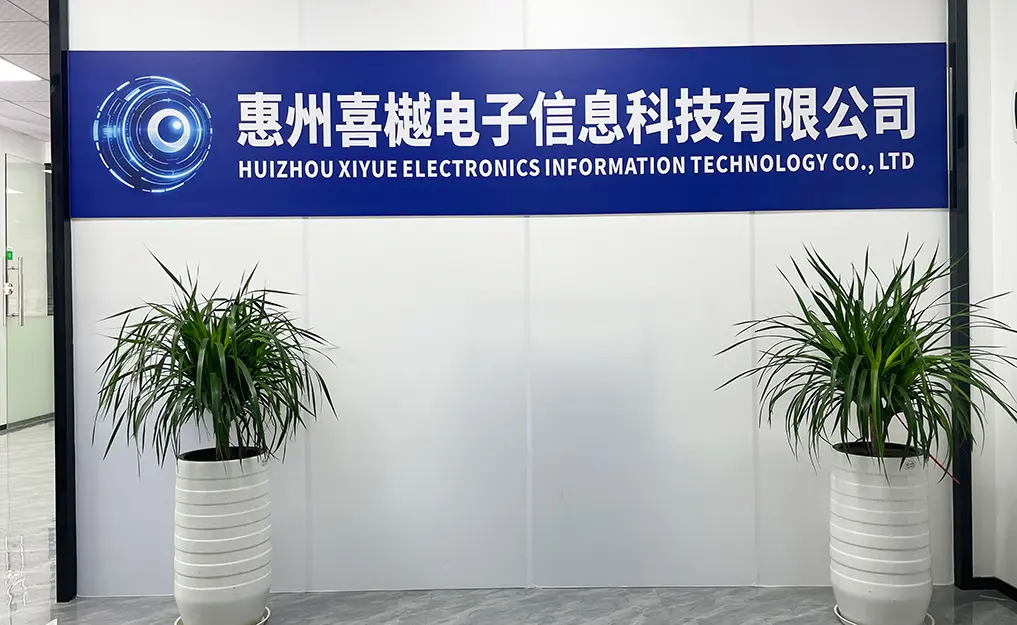
Xiyue Electronic Information Technology Co., Ltd. is a professional and reliable foreign trade enterprise focusing on global export of high-performance vehicle-mounted camera systems and full-series automotive electronic products. More than a mere product supplier, we serve as a long-term strategic procurement partner for global overseas buyers, focusing on simplifying cross-border procurement procedures and reducing overall purchasing costs for all clients.
We adhere to a one-stop comprehensive service mode, covering professional product recommendation, accurate quotation, OEM/neutral packaging customization, unified quality inspection, cross-border logistics and complete after-sales support. Our core mission is to provide worry-free, efficient and stable overall procurement solutions for global automotive electronics distributors, fleet companies and engineering equipment merchants.
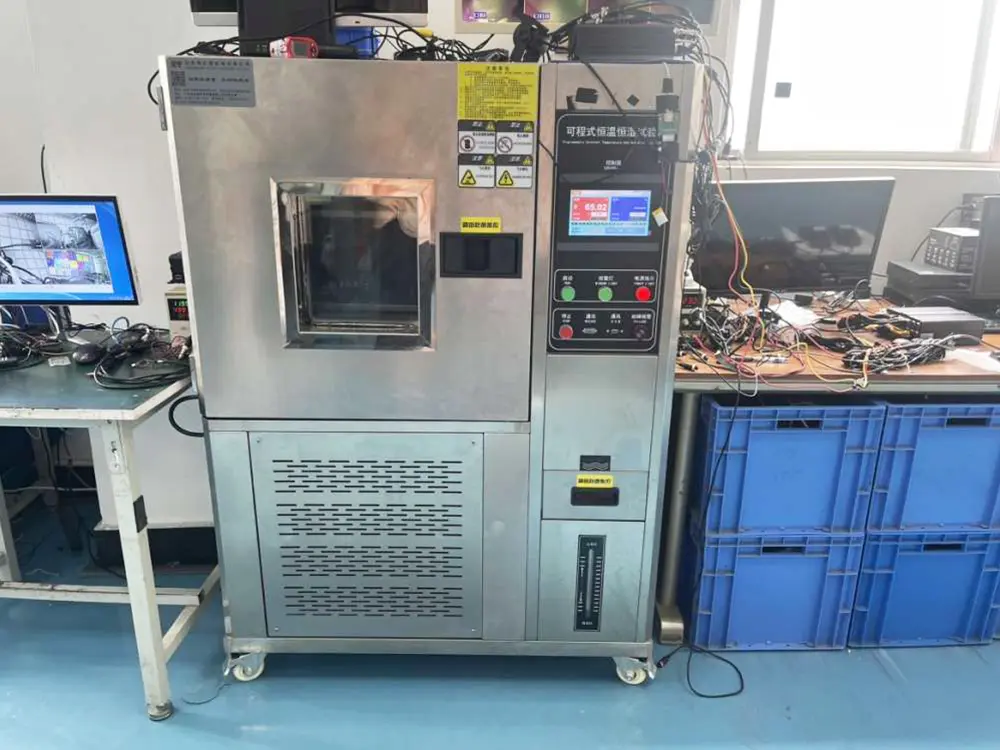
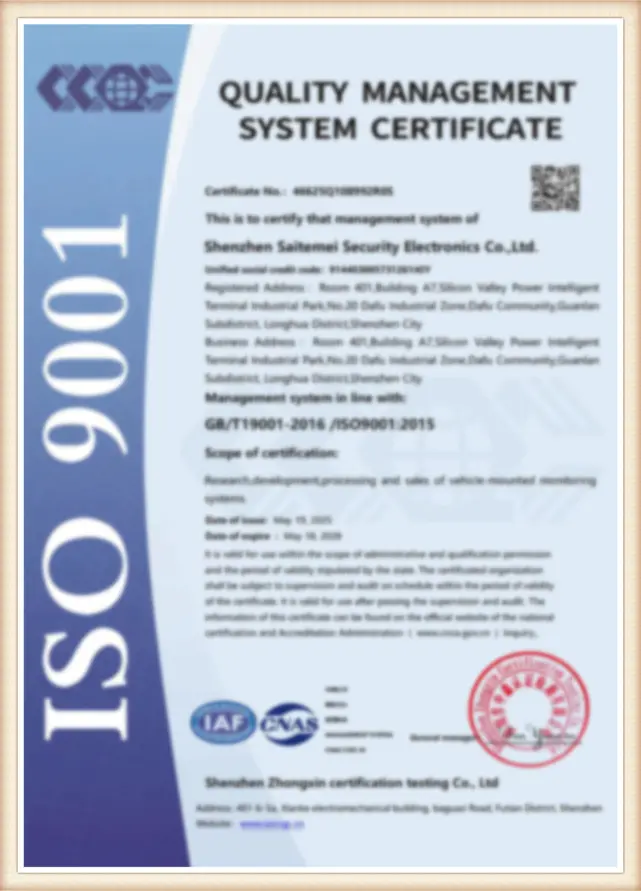
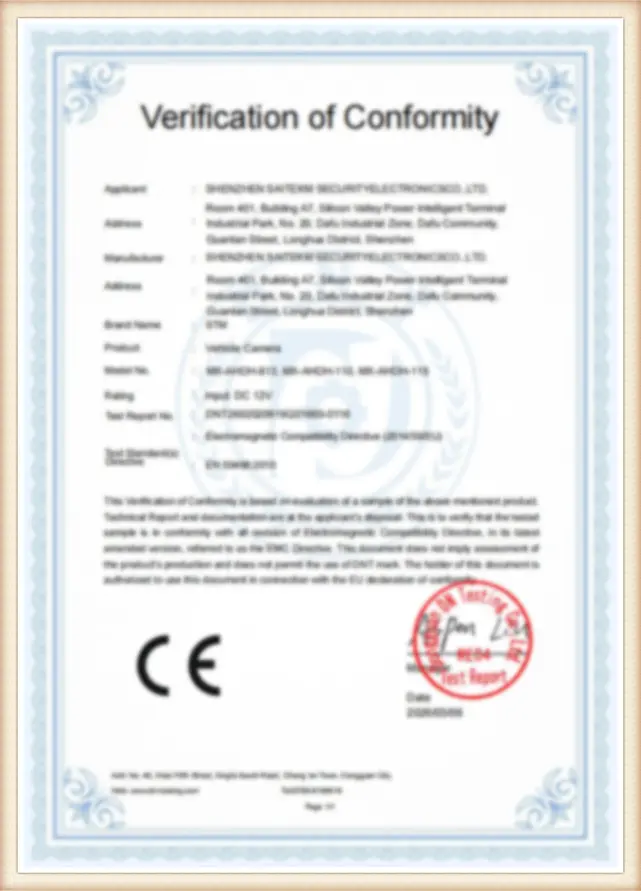
Every batch complies with rigorous international testing certifications (CE, ISO, RoHS) to guarantee smooth import and legal road-usage compliance.
We develop and supply full-range automotive electronic safety products to improve driving safety and vehicle operation efficiency for passenger cars, commercial vehicles, engineering machinery and hazardous transport vehicles. Our complete product lineup covers:
Supported by China’s mature automotive electronics industrial cluster resources, we build a strict upstream manufacturer screening system. All cooperative factories pass unified quality compliance audit, with stable mass production capacity and punctual delivery capability. We integrate supply chain resources to provide flexible and efficient foreign trade services for global customers.
Support in-stock quick delivery orders and customized agent procurement orders to suit fast-paced distribution and long-term project planning.
24-hour online support, fast and precise official quotation with detailed parameter sheets, assuring complete transparency in hardware metrics.
Provide neutral white box packaging, logo printing, exclusive OEM software and hardware customization for custom firmware protocols.
Accept small-batch trial orders and large-batch bulk orders, with short production lead time to optimize inventory turnaround.
Integrated logistics arrangement, customs clearance assistance and full-cycle after-sales tracking to prevent cargo transit issues.
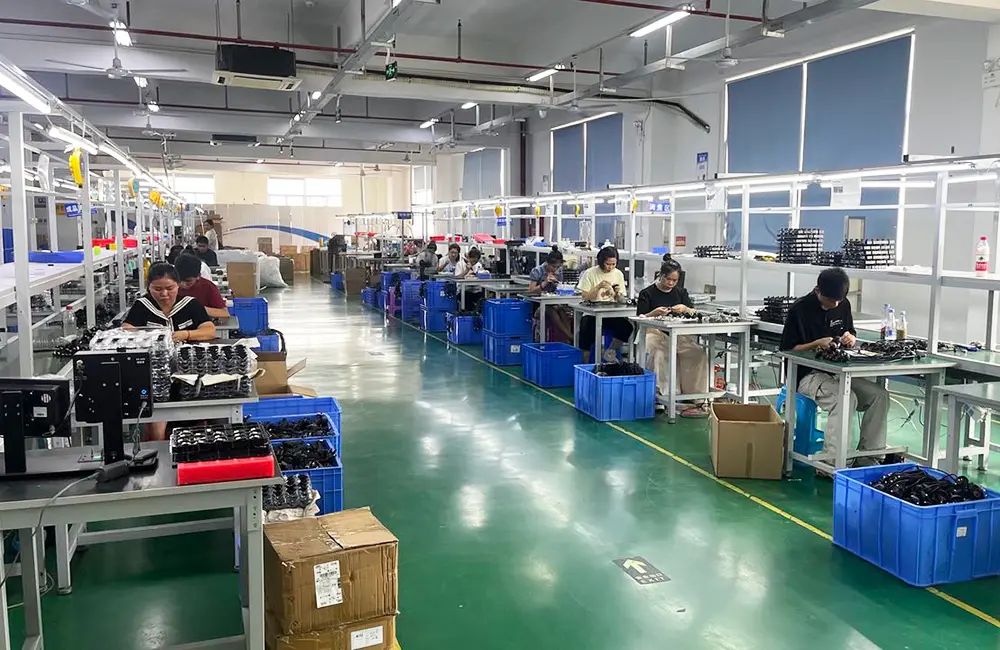
Our advanced clean workshop features static-free production belts to avoid micro-dust damage on optical sensors.
A deep dive into pricing variables, dynamic ranges, and hardware components influencing production costs.
When purchasing High Light Suppression or Starlight night vision cameras, bulk unit pricing generally scales from $12 to $85 USD, dictated by the underlying performance parameters, certification requirements, and custom configurations. The primary variables affecting bulk quotes include:
Sony IMX series sensors coupled with high-tier Nextchip or NVP ISPs yield real-time HLC/WDR values exceeding 120dB. Lower-tier non-branded sensors drop prices but lack authentic glare control in severe environments.
Heavy-duty aluminum alloy domes with IP69K liquid ingress ratings cost 20-30% more than ABS plastic interiors due to raw material and waterproof sealing compound processes.
Explosion-proof casings (such as those required for petrochemical environments) undergo rigorous spark-prevention tests. This specialized hardware command premium prices compared to standard exterior bus cameras.
The convergence of artificial intelligence and vehicular surveillance is shifting SLS from passive pixel masking to active scene classification. Upcoming hardware trends include:
By partnering with factories prioritizing technology transition, B2B buyers prevent inventory obsolescence and ensure compatibility with future automated driving standard guidelines.
Expert technical answers to guide B2B importers, installation managers, and engineers.
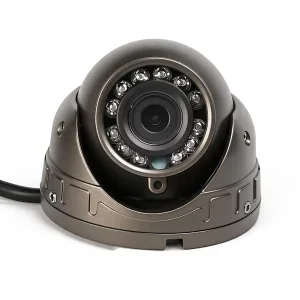
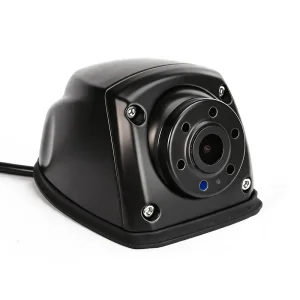
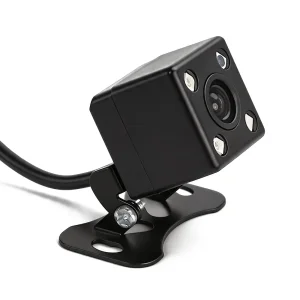
Browse additional rugged vehicle solutions, featuring waterproof outer chassis and integrated driver monitoring technology.
 Xiyue Electronics