 Xiyue Electronics
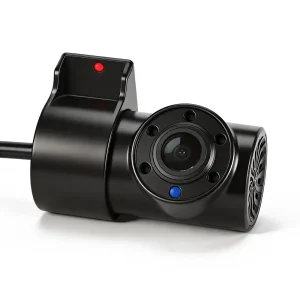
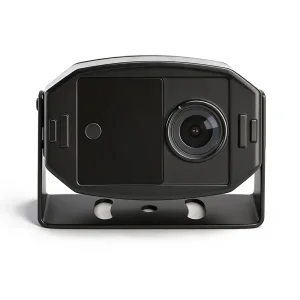
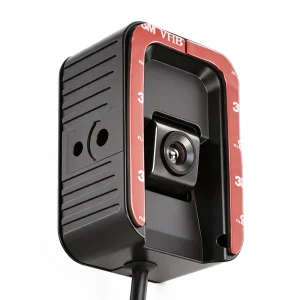
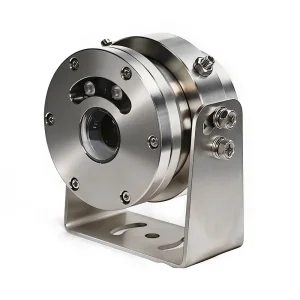
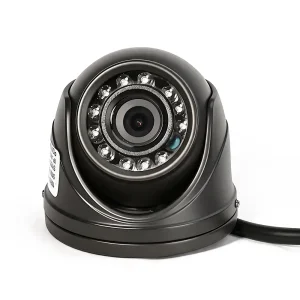
Global Trends in Winterized Vehicle Surveillance Technology
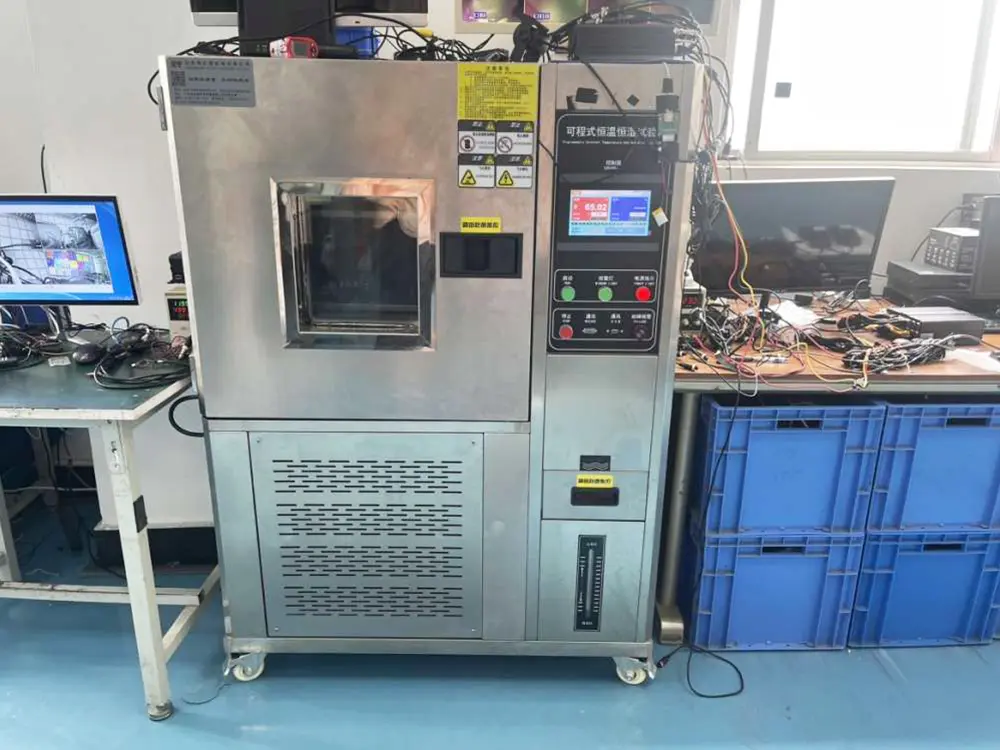
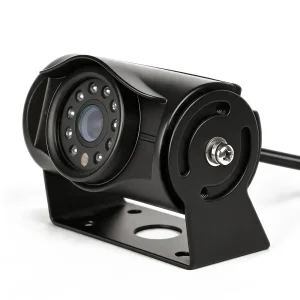
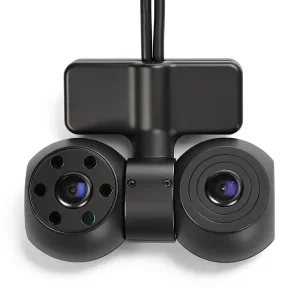
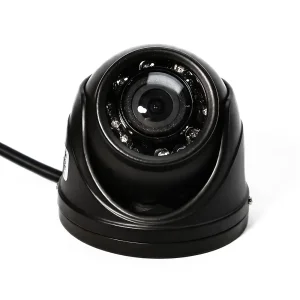
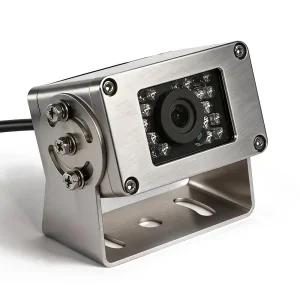
As logistics routes extend further into high-latitude zones like Northern Europe, Canada, and Siberia, the demand for resilient vehicular vision equipment has experienced exponential growth. Under extreme winter settings, standard automotive camera sensors become highly prone to failure. Lens fogging, structural ice-ups, and structural embrittlement under intense sub-zero temperatures present severe driving hazards.
Modern fleet operations require hardware capable of operating down to -40°C (-40°F) and even -50°C without degradation of image quality or response lag. The current industry direction focuses heavily on incorporating smart self-heating elements (using Indium Tin Oxide or heating coils), specialized anti-frost glass coatings, and ruggedized housing materials that withstand road salt corrosion and heavy snow impacts.
Additionally, the evolution of Advanced Driver Assistance Systems (ADAS) and Driver Monitoring Systems (DMS) means that thermal stability is no longer just about visibility; it is about keeping life-saving computer vision algorithms active during the worst weather conditions imaginable.