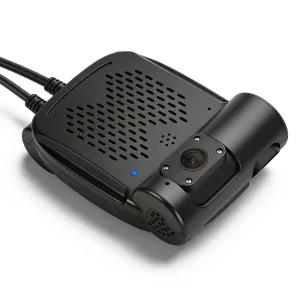
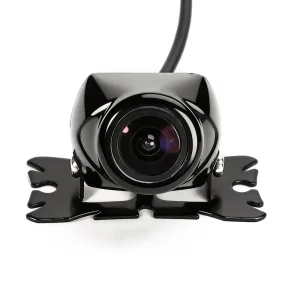
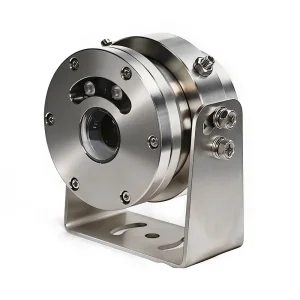
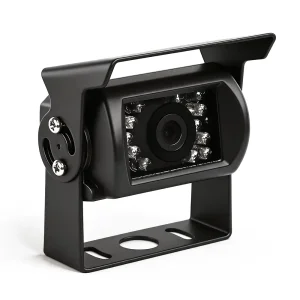
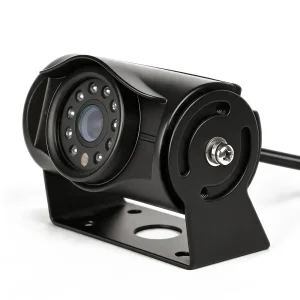
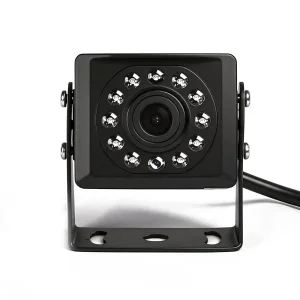
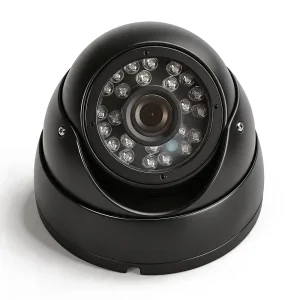
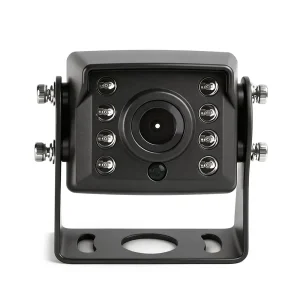
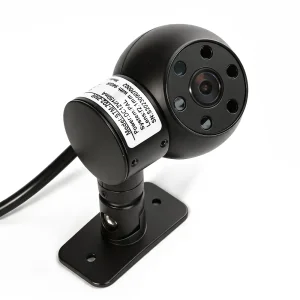
Explore our high-performance vehicle cameras certified for compliance, extreme durability, and precise real-time driver analytics.
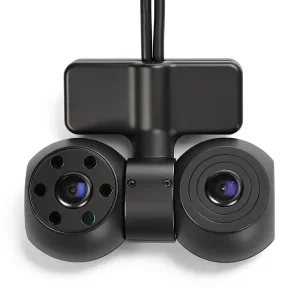
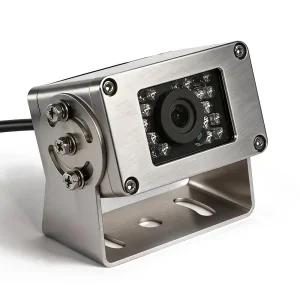
In the high-stakes realm of automotive electronics and commercial fleet safety, front vehicle cameras serve as the essential sensory hardware for Advanced Driver Assistance Systems (ADAS) and digital recording terminals. For global businesses distributing or installing these components within the European Economic Area (EEA), CE Certification is not merely a legal requirement—it is a critical validation of product safety, electromagnetic compatibility, and structural integrity.
Front-facing automotive cameras operate in extremely volatile electronic environments. They share power and communication buses with critical chassis control systems, steering modules, and engine telemetry. Without rigid electromagnetic compatibility (EMC) certification under the CE framework (specifically compliance with standards like EN 50498), aftermarket or OEM cameras risk introducing spurious electrical noise that could degrade safety-critical CAN bus transmissions.

Xiyue Electronic Information Technology Co., Ltd. is a professional and reliable foreign trade enterprise focusing on global export of high-performance vehicle-mounted camera systems and full-series automotive electronic products. More than a mere product supplier, we serve as a long-term strategic procurement partner for global overseas buyers, focusing on simplifying cross-border procurement procedures and reducing overall purchasing costs for all clients.
We adhere to a one-stop comprehensive service mode, covering professional product recommendation, accurate quotation, OEM/neutral packaging customization, unified quality inspection, cross-border logistics and complete after-sales support. Our core mission is to provide worry-free, efficient and stable overall procurement solutions for global automotive electronics distributors, fleet companies and engineering equipment merchants.
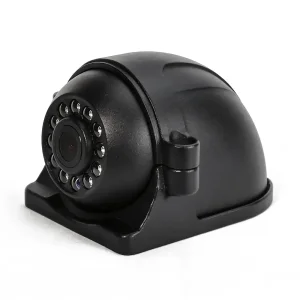
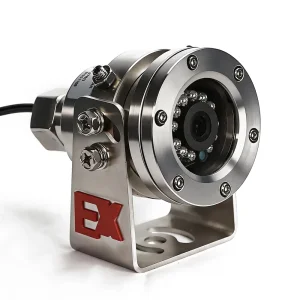
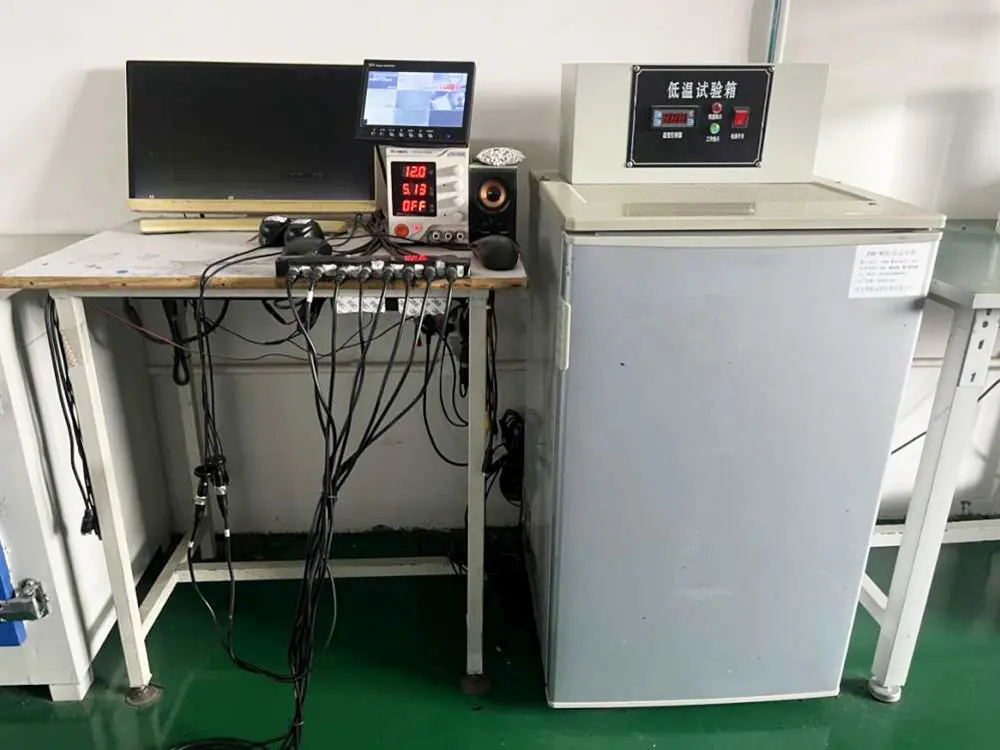
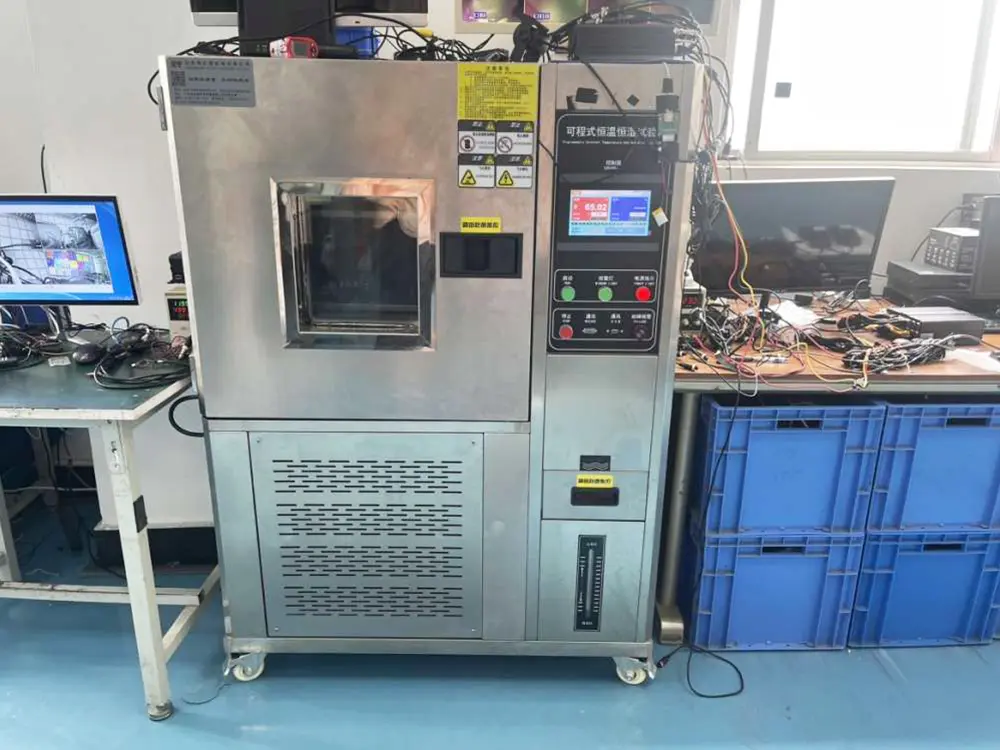
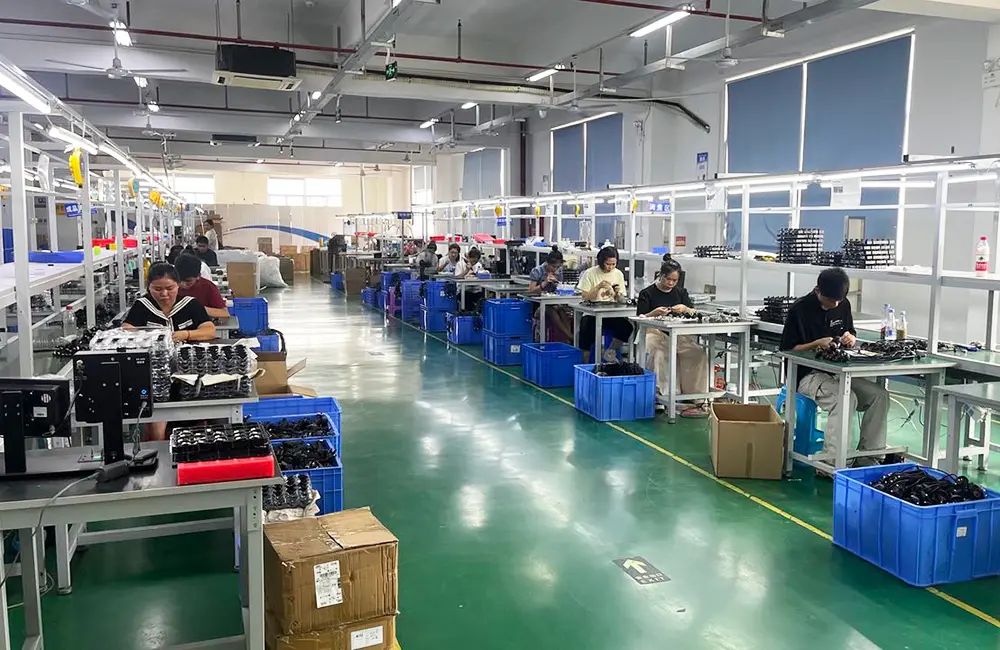
By coordinating with vertically integrated assembly and sensor testing labs, we confirm that every batch of AHD night vision cameras, explosion-proof units, and forward windshield cameras meet rigorous commercial testing thresholds before dispatch.
Our commitment to international automotive safety standards is backed by rigorous auditing and industry-leading certifications.
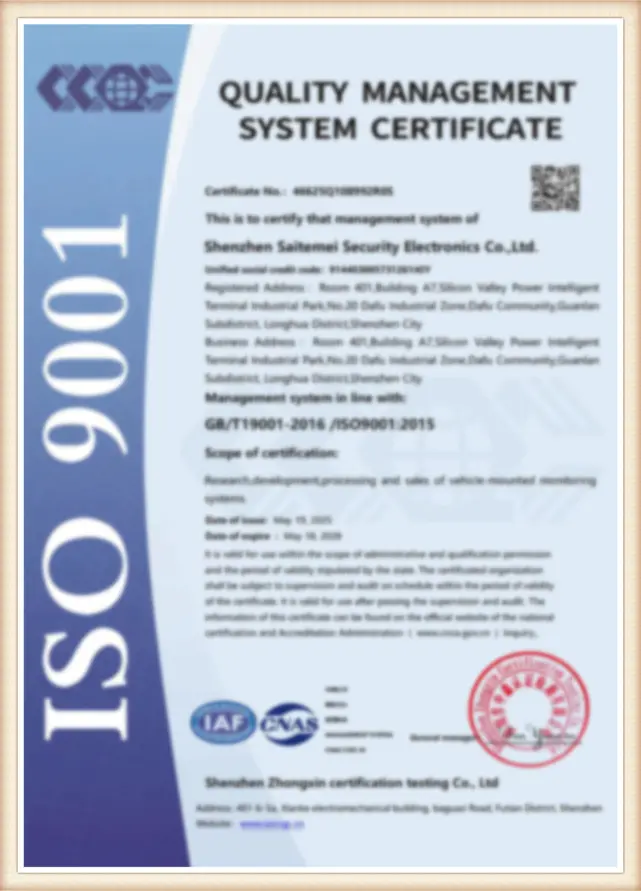
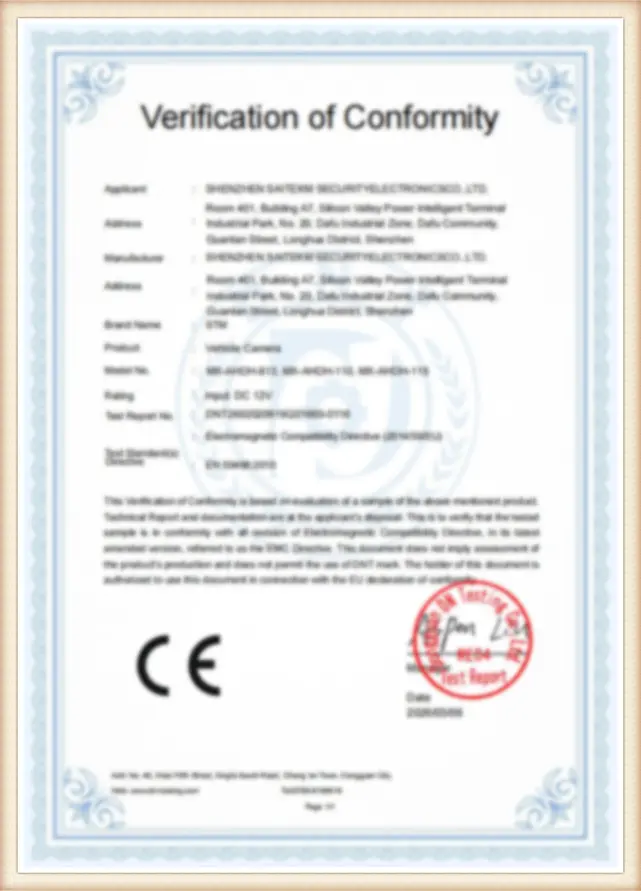

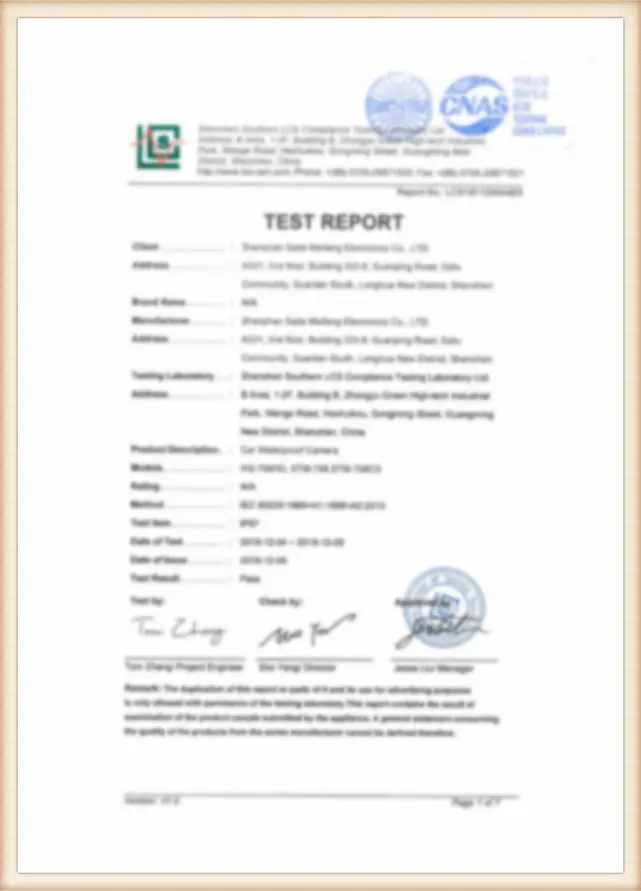
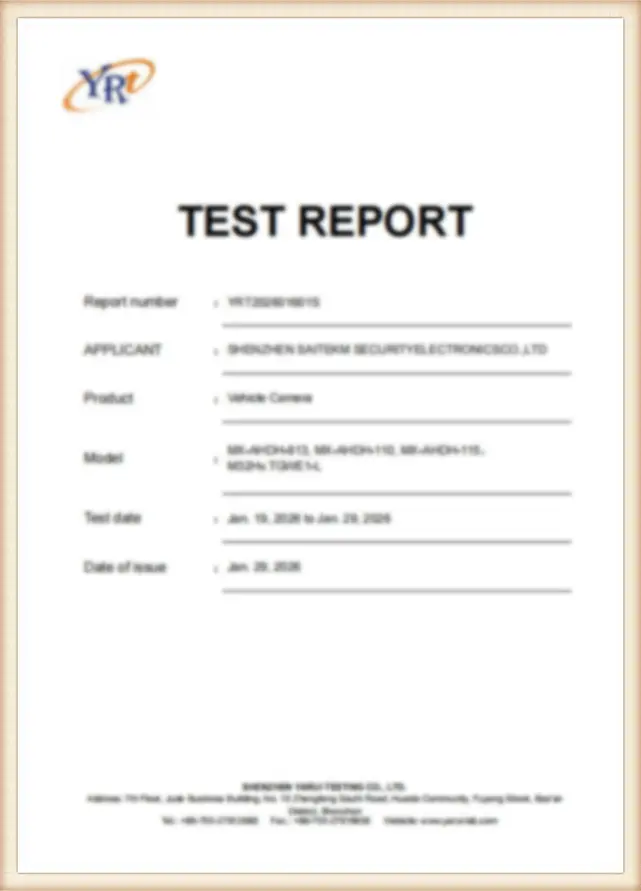
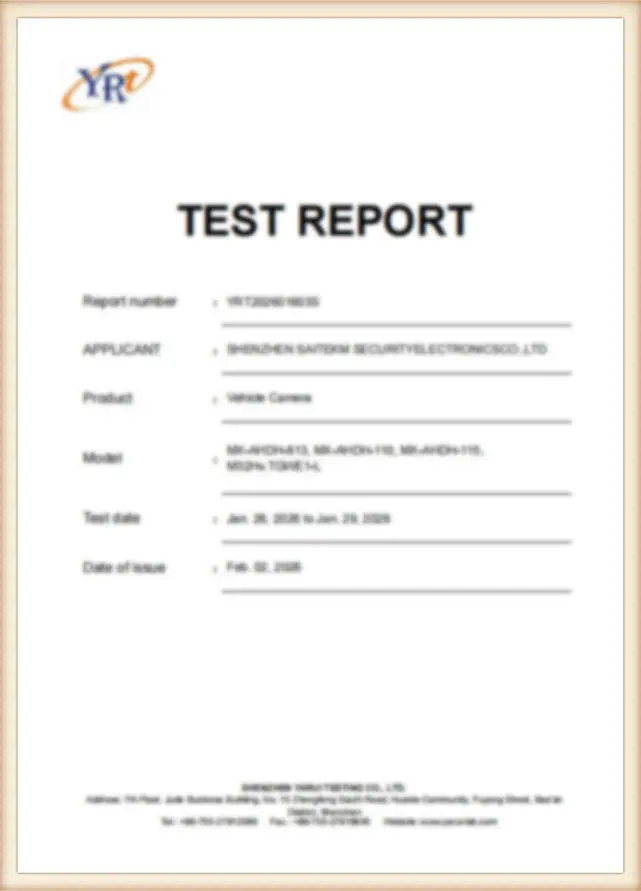
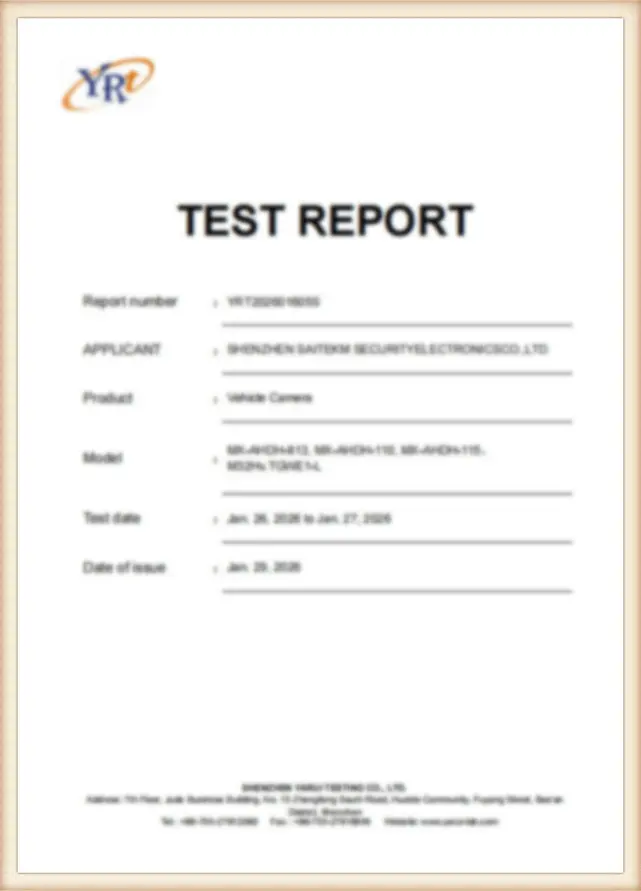
Maximizing procurement efficiencies through direct OEM integration, scale manufacturing, and optimized cost architecture.
Leveraging the Shenzhen automotive electronics cluster allows us to quickly integrate state-of-the-art CMOS sensors (Sony Starvis series, OmniVision) and advanced multi-layer glass lenses (6G/8G) with minimal supply overhead. This ensures premium performance at highly competitive price scales.
We support Dual Flexible Procurement Modes. Maintain agility with our high-volume in-stock inventory for urgent rollout projects, or execute tailored OEM design protocols including proprietary custom SDK integrations, logo print runs, and localized packaging designs.
From EU CE compliance and USA FCC standards to IP69K liquid ingress ratings, our cameras are built to satisfy the legal frameworks of global markets. We mitigate supply chain friction by proactively testing for certification compliance prior to export cycles.
We develop and supply full-range automotive electronic safety products to improve driving safety and vehicle operation efficiency for passenger cars, commercial vehicles, engineering machinery and hazardous transport vehicles. Our complete product lineup covers:
Understanding the challenging operating conditions of commercial fleets across key global industries.
Long-haul trucks require constant, zero-latency monitoring. Our windshield-mounted ADAS and cabin cameras provide persistent driver fatigue alerts (DMS) and lane-departure warnings, streaming telemetry to remote dispatch terminals via robust MDVR integration.
Explosion-proof cameras with specialized ATEX/CE certifications ensure safe fuel and chemical transport. Heavy-duty housings protect optical sensors from ignition risks and extreme dust/vibration levels common to oilfields and open-pit mining operations.
Ensuring passenger safety requires comprehensive in-cabin monitoring combined with wide-angle exterior obstacle detection. Waterproof 1080P starlight cameras help municipal bus and garbage fleets navigate complex urban environments without blind spots.
How the market is evolving toward deep edge intelligence, ultra-wide dynamic ranges, and unified digital bus standards.
While AHD (Analog High Definition) remains highly sought after for its zero latency and low installation cost, high-tier autonomous vehicles and advanced ADAS units are transitioning to Gigabit Multimedia Serial Link (GMSL2) and Automotive Ethernet. These interfaces support raw, uncompressed 4K video feeds required by modern AI vision algorithms.
Modern front vehicle cameras are transitioning from passive optical recording units to active intelligence nodes. Processing deep neural network (DNN) models directly on integrated AI chips allows cameras to immediately recognize pedestrians (BSD) and read traffic indicators, providing localized warning signals without relying on a centralized MDVR host.
Information Gain Trend Alert: System integrators are increasingly specifying cameras with LED Flicker Mitigation (LFM) and HDR (High Dynamic Range >120dB). This guarantees that forward-facing ADAS cameras can accurately read digital traffic signage and headlights, even under harsh direct sunlight or high-contrast tunnel transitions.
Addressing core integration, certification, and logistical questions for international procurement professionals.
Browse additional high-reliability systems designed to withstand demanding road conditions and industrial fleet operations.
 Xiyue Electronics