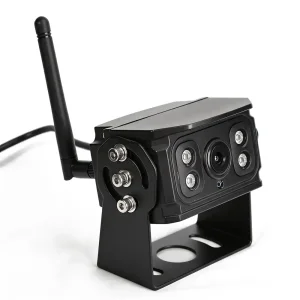
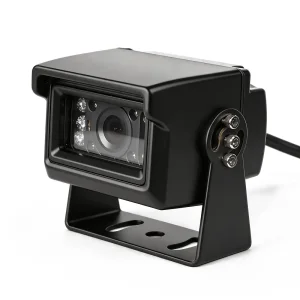
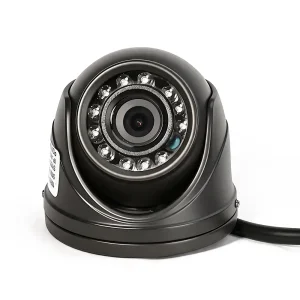
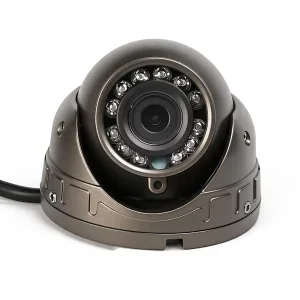
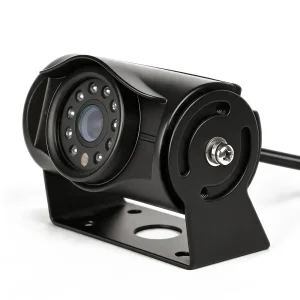
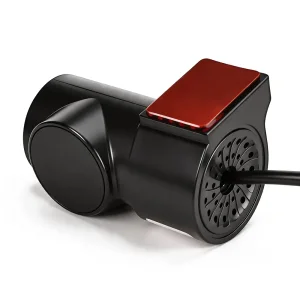
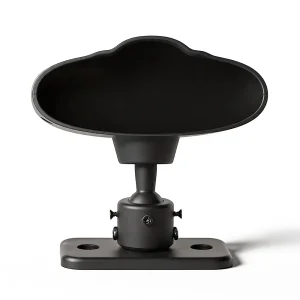
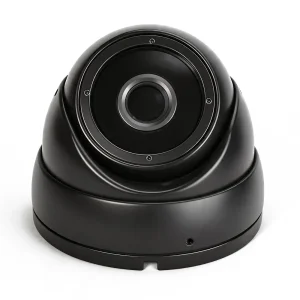
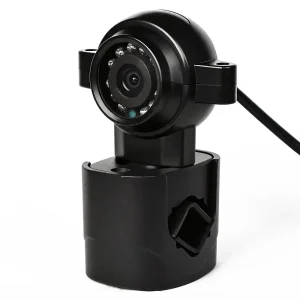
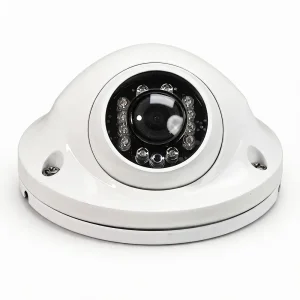
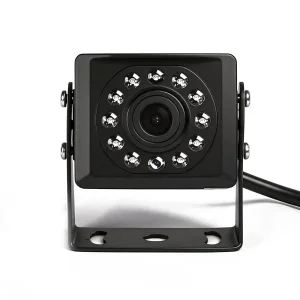
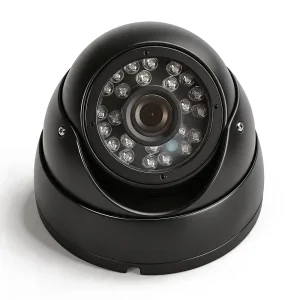
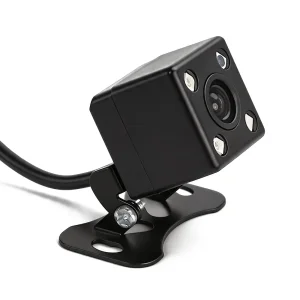
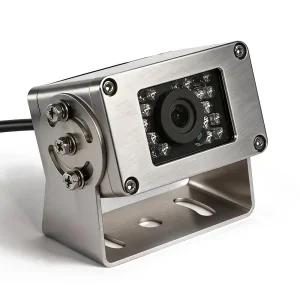
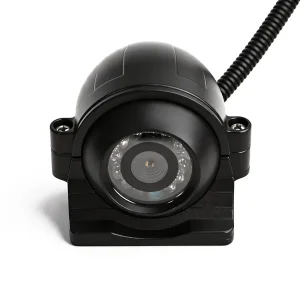
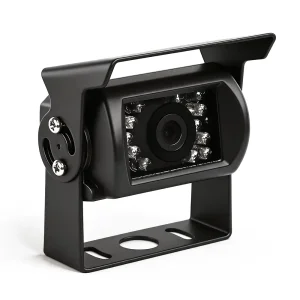
In the fields of automotive ADAS, commercial transport safety, and heavy machinery operations, environmental resilience has typically focused on waterproof ratings (IP67/IP69K) and thermal limits. However, the critical challenge of low humidity tolerance (LHT) remains a hidden cause of electronic failure in modern automotive optical systems. When operating in hyper-arid areas, deserts, high altitudes, or low-temperature dry air, the relative humidity (RH) drops below 10%. Under these conditions, the physical properties of automotive imaging components change drastically, threatening overall system reliability.
Low moisture content in the air facilitates the rapid generation and accumulation of static charge (triboelectric effect). Without proper dissipative mechanisms, a vehicle driving through dry, dusty terrain can generate electrostatic potentials exceeding 15,000 volts on its outer surfaces. If the camera housing and Internal Circuit Assemblies are not designed for low humidity tolerance, this static can discharge directly into the CMOS sensor or processing chipset, causing instantaneous component failure, image noise, or permanent micro-arc damage.
Furthermore, dry air accelerates outgassing from low-grade adhesives, plasticizers, and internal structural elements. This outgassed vapor can eventually deposit on the interior surface of the optical glass, forming a thin film that permanently degrades lens resolution, starlight night-vision capability, and sensor accuracy. Consequently, industrial fleet operators and Tier-1 automotive integrators now look for CE-certified, low humidity-tolerant camera systems to guarantee continuously clear visibility under extreme atmospheric conditions.
Globally, logistics fleets, open-pit mining operations, and military transporters operate across varying and demanding geographical zones. Procurement departments require heavy-duty automotive monitoring systems designed specifically to prevent environment-induced downtime. Several industrial sectors drive the global B2B demand for low humidity-tolerant vehicle cameras:
At elevations above 3,000 meters (such as copper mines in Chile and Peru), air pressure is low, and humidity levels are minimal. The dry conditions increase the risk of dust collection and electrostatic accumulation, making durable camera designs essential for driver assistance and safety monitoring.
Fleets crossing the Middle East, the Saharan corridor, or the Australian outback experience extremely high daytime temperatures combined with single-digit relative humidity. Under these conditions, typical plastics degrade quickly, and electrostatic discharge can damage unprotected image sensors.
Refrigerated commercial logistics vehicles often transition between sub-zero cold storage facilities (where humidity is extremely low) and warm, humid loading bays. This change requires sealed cameras filled with dry nitrogen to prevent internal fogging and condensation.
For purchasing managers at heavy machinery OEMs and commercial transport companies, specifying CE-certified vehicle cameras with low-humidity certification reduces maintenance costs and ensures compliance with global automotive safety standards.
Designing a dependable monitoring solution for fleets operating in harsh climates requires looking beyond the camera unit itself. It involves building an ecosystem that integrates camera hardware, wiring harnesses, power regulation, and display units. Low humidity-tolerant systems use a range of design features to ensure stable operation:
To safely handle static buildup, these camera designs feature a conductive outer path. By grounding the camera's aluminum or magnesium alloy housing directly to the vehicle's chassis through ESD-shielded cables, the system dissipates surface charge safely before it can reach the internal electronics.
To eliminate moisture-related issues, high-end vehicle cameras are assembled in cleanrooms with controlled dry nitrogen gas. The optical module is sealed under high pressure, preventing dry air from pulling external dust or moisture into the lens assembly over time.
Low-grade silicone seals and adhesives can release gaseous molecules in dry, hot conditions, leaving a foggy residue on the lens. Low-humidity cameras utilize high-grade fluorosilicone gaskets and aerospace-grade, low-outgassing adhesives to keep the optics clear.
Developing vehicle cameras that perform reliably in low-humidity environments involves careful engineering across optical, mechanical, and electrical subsystems:
The outer surface of the camera lens uses a durable, anti-static, and anti-reflective hard coating. This prevents the static attraction of fine dust particles in dry environments, reducing the need for manual cleaning and preventing surface scratches from abrasive sand.
Transient Voltage Suppressors (TVS diodes) are integrated into the circuit board layout at all input/output ports. These components divert high-voltage spikes away from critical microcontrollers and image sensors to the ground plane within nanoseconds, conforming to the ISO 10605 ESD standard.
Dry air has a lower heat capacity than humid air, making heat dissipation more challenging. To counteract this, cameras feature internal copper heat pipes and thermal interface materials (TIMs) that transfer heat to the metal outer shell, maintaining safe sensor temperatures even in hot, dry conditions.
Looking ahead, future models will integrate active dew point monitoring and micro-heating elements inside the camera housing. This design actively adjusts internal temperatures to prevent fogging or frost when transitioning between cold dry air and humid environments.
Xiyue Electronic Information Technology Co., Ltd. is a professional and reliable foreign trade enterprise focusing on global export of high-performance vehicle-mounted camera systems and full-series automotive electronic products. More than a mere product supplier, we serve as a long-term strategic procurement partner for global overseas buyers, focusing on simplifying cross-border procurement procedures and reducing overall purchasing costs for all clients.
We adhere to a one-stop comprehensive service mode, covering professional product recommendation, accurate quotation, OEM/neutral packaging customization, unified quality inspection, cross-border logistics and complete after-sales support. Our core mission is to provide worry-free, efficient and stable overall procurement solutions for global automotive electronics distributors, fleet companies and engineering equipment merchants.

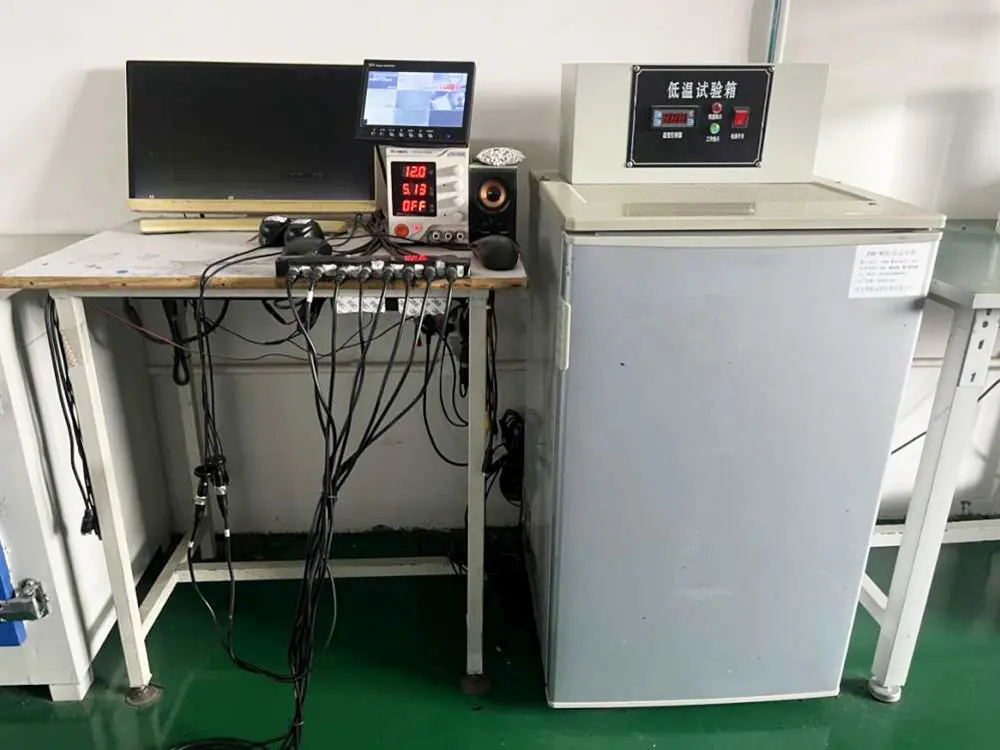
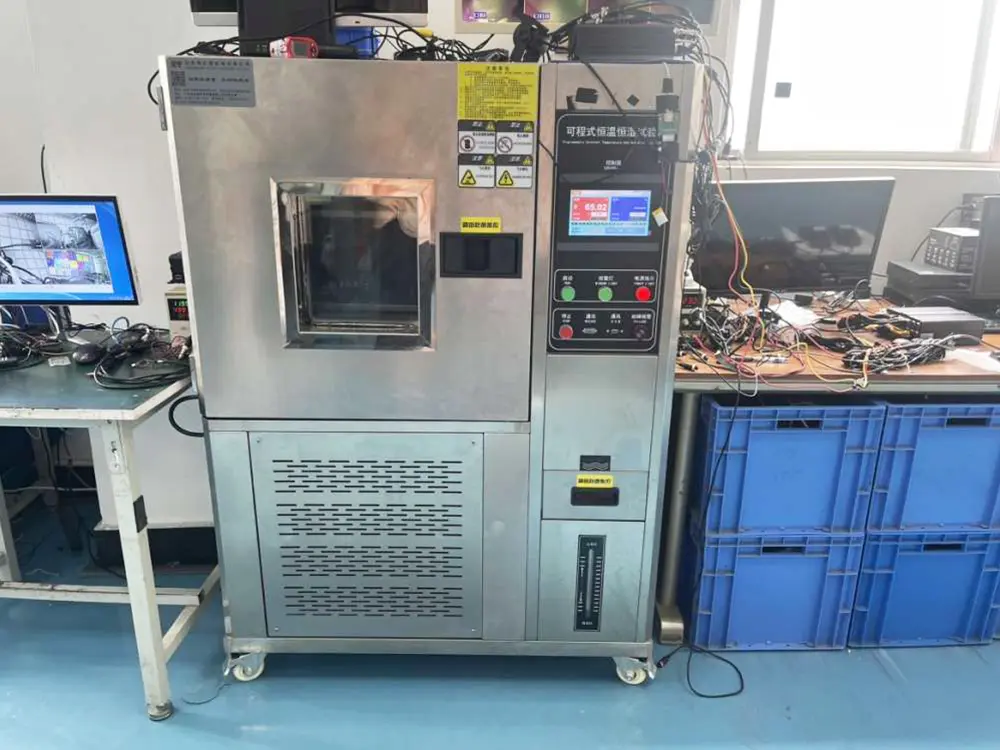


We develop and supply full-range automotive electronic safety products to improve driving safety and vehicle operation efficiency for passenger cars, commercial vehicles, engineering machinery and hazardous transport vehicles. Our complete product lineup covers:
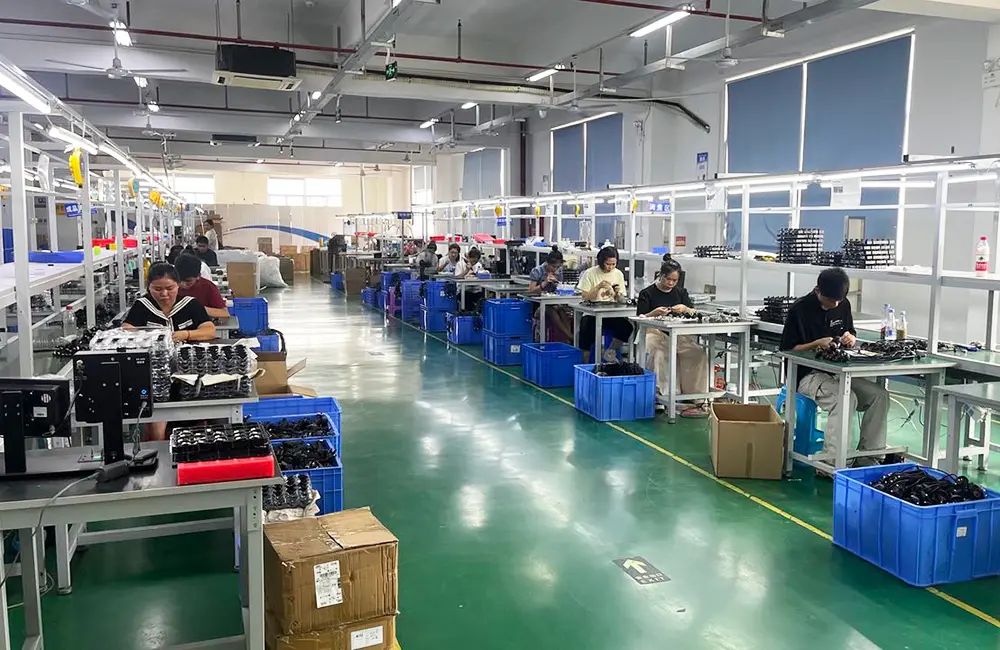
Supported by China’s mature automotive electronics industrial cluster resources, we build a strict upstream manufacturer screening system. All cooperative factories pass unified quality compliance audit, with stable mass production capacity and punctual delivery capability. We integrate supply chain resources to provide flexible and efficient foreign trade services for global customers:
We balance high product cost performance and flexible service mechanism, helping global customers avoid supply chain risks and realize stable and worry-free long-term procurement.
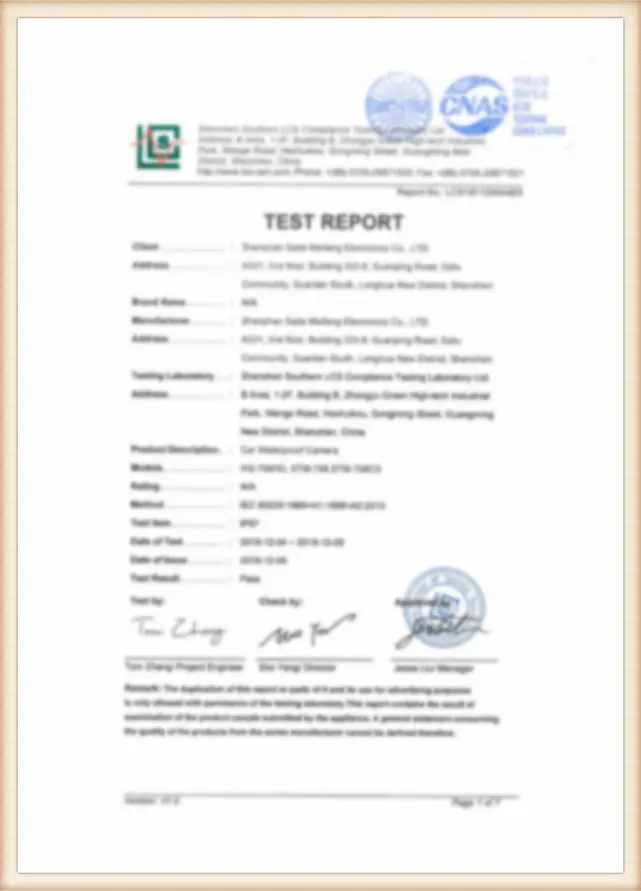
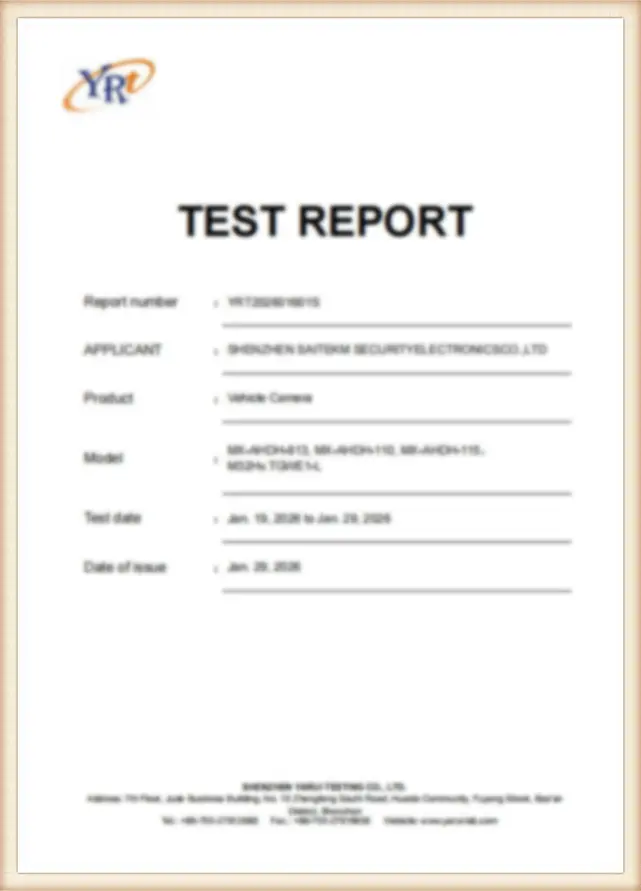
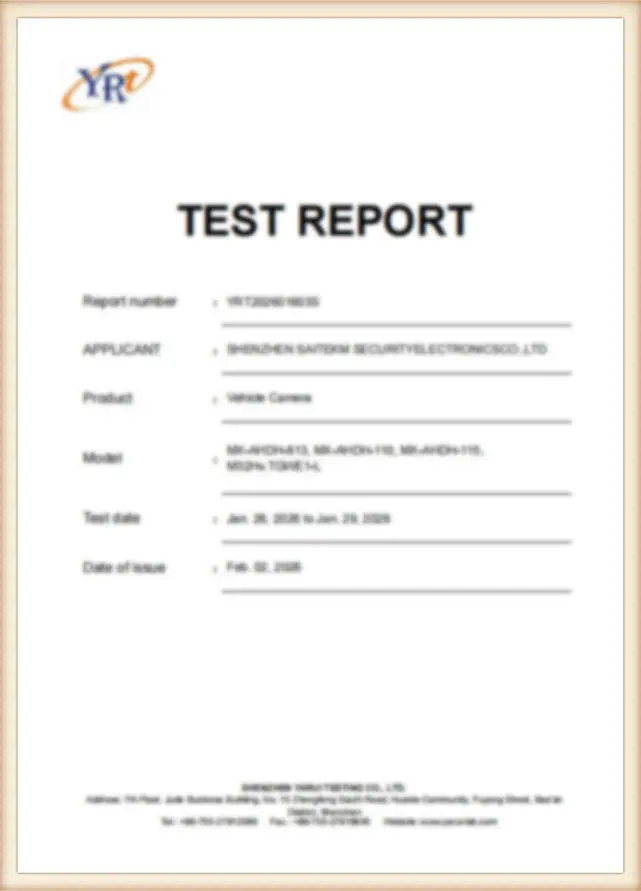
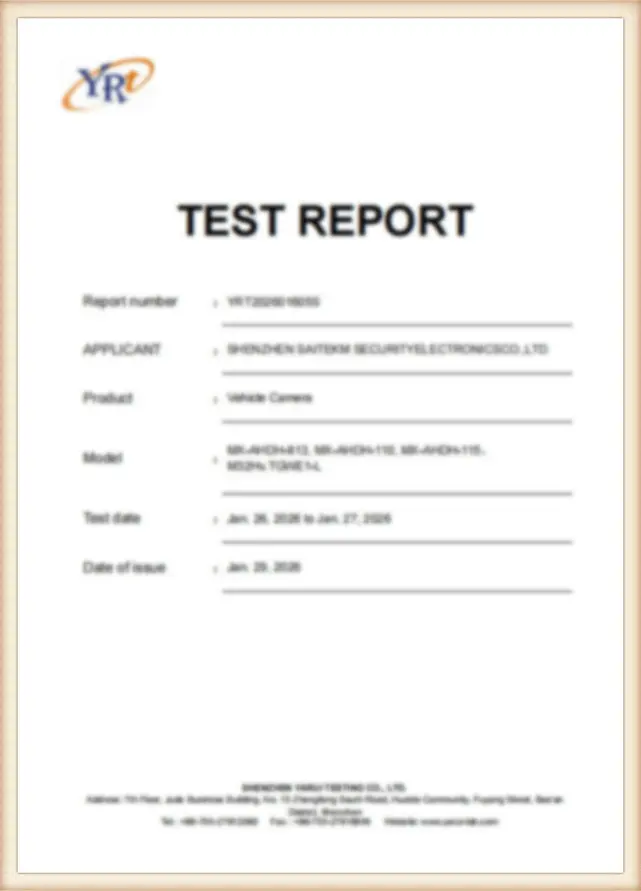
A CE mark indicates that a vehicle camera system meets key safety, health, and environmental requirements for the European Economic Area (EEA). For low-humidity vehicle cameras, CE compliance involves meeting several testing standards:
By complying with these standards, Xiyue vehicle cameras demonstrate the structural strength and design quality required to operate reliably under challenging conditions globally.
 Xiyue Electronics