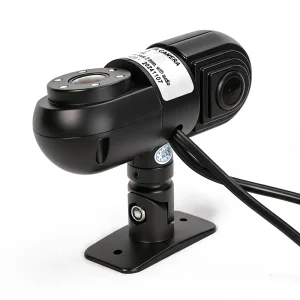
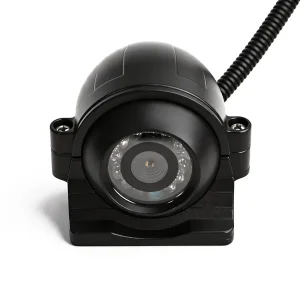
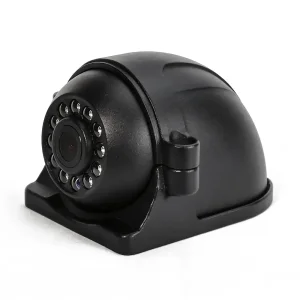
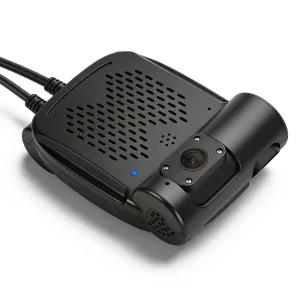
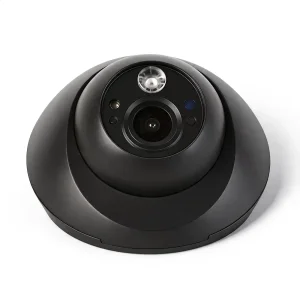
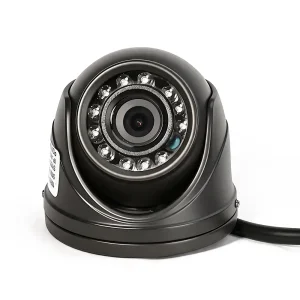
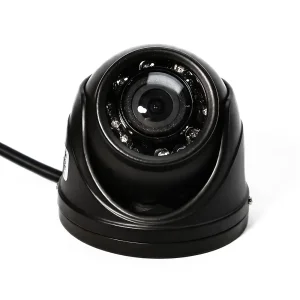
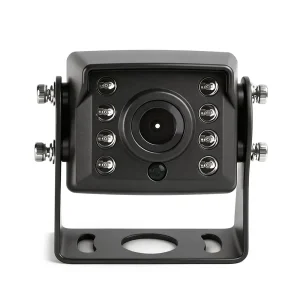
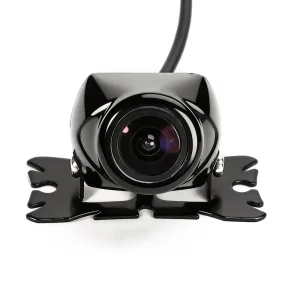
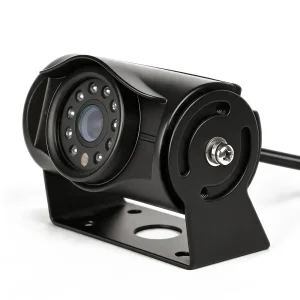
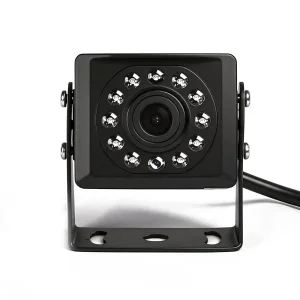
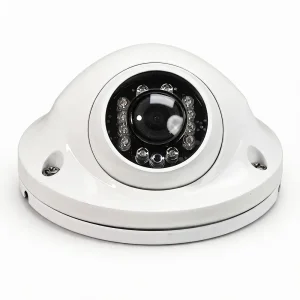
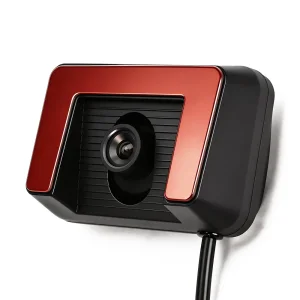
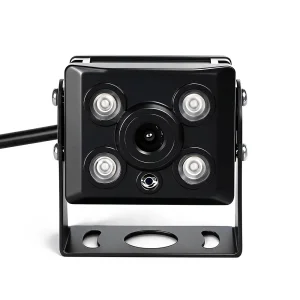
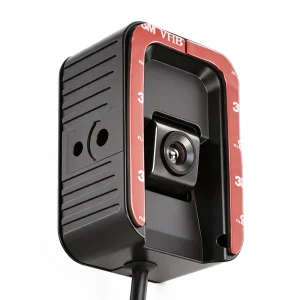
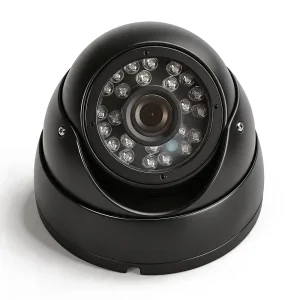
In modern industrial and hazardous environments, visual monitoring is no longer a luxury but an indispensable pillar of corporate safety, operational efficiency, and regulatory compliance. Across oil refineries, chemical plants, offshore drilling rigs, dust-laden grain silos, and mining operations, the demand for high-reliability optical sensors is soaring. However, traditional, bulky flameproof camera housings often fail to fit within constrained spaces, such as inside robotic crawler systems, direct-process enclosures, and the compact cabins of hazardous cargo transport vehicles.
This physical limitation has catalyzed the rise of the Miniature Explosion-Proof Camera. Today, these compact systems are vital components of modern Industrial IoT (IIoT) frameworks. By shrinking the footprint of Ex-certified systems without compromising safety standards, manufacturers are empowering operations managers to install cameras in locations previously considered impossible to monitor. Globally, regulatory frameworks like Europe’s CE ATEX Directive and the international IECEx standards dictate the engineering parameters of these systems, requiring rigorous testing for thermal dissipation, structural containment, and electrical isolation.
Miniature housings allow for seamless integration in tight vehicle cabins, robotic inspection arms, and automated assembly points within chemical refineries, maximizing coverage areas.
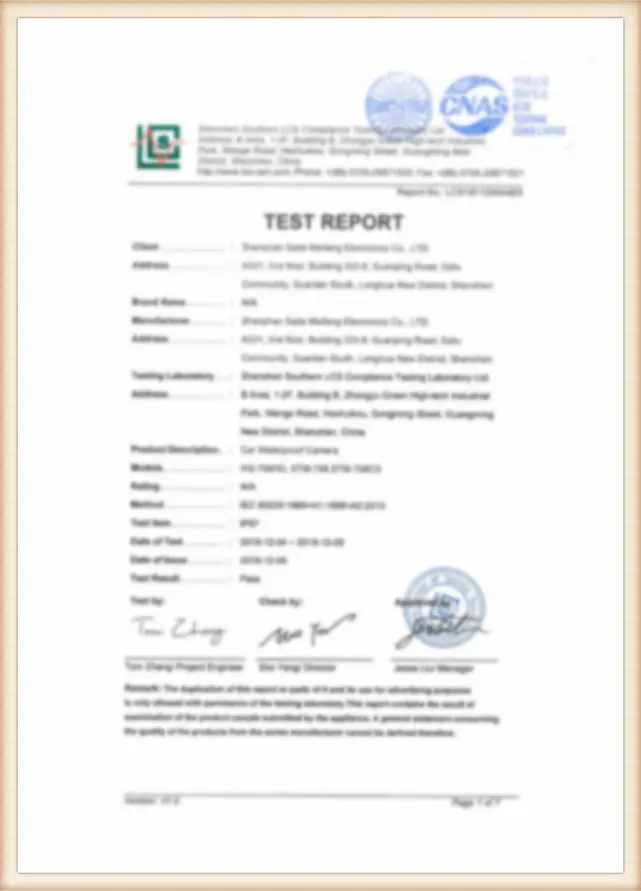
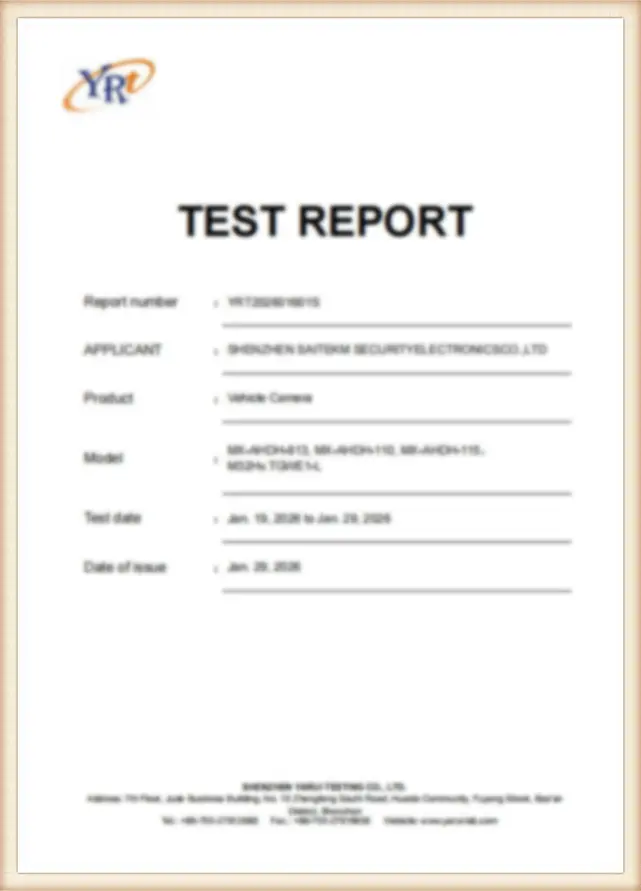
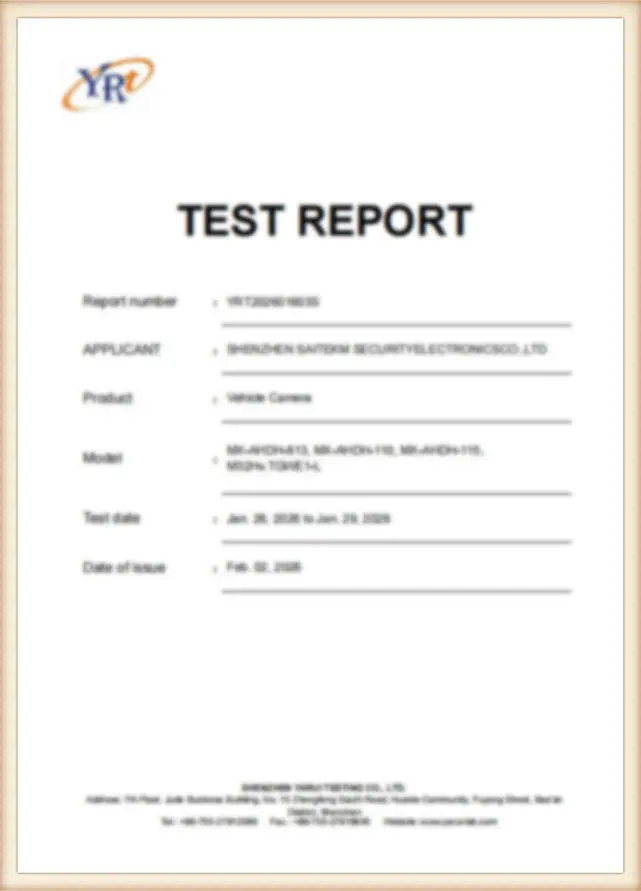
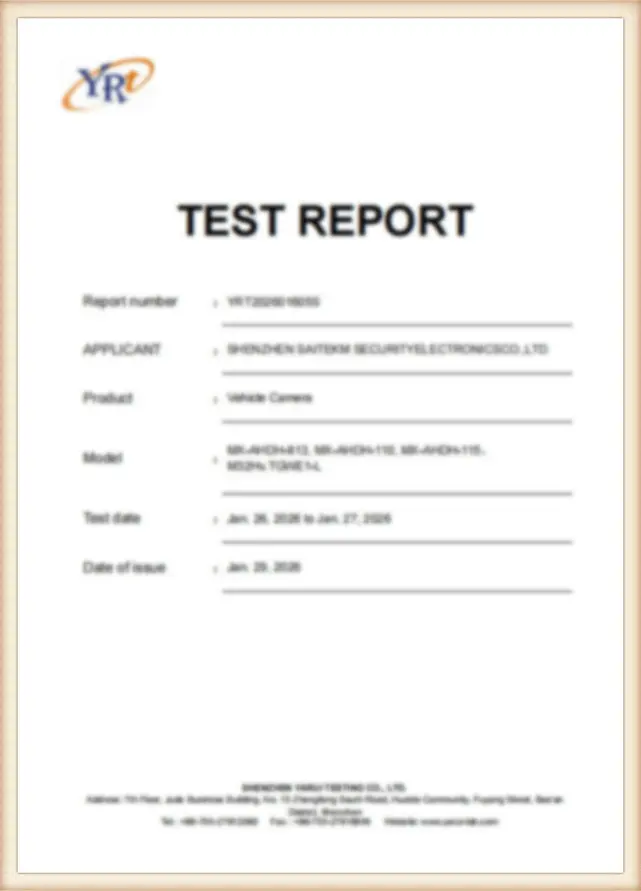
Every camera complies with strict CE, FCC, RoHS, and explosion-proof certifications, minimizing legal and operational risks for global supply chains and distributors.
Engineered to operate continuously in Zone 1 and Zone 2 gas atmospheres, as well as Zone 21 and Zone 22 combustible dust zones, withstanding explosive pressures.
Creating a highly compact camera capable of surviving explosive atmospheres requires cutting-edge material science and electrical engineering. Standard flameproof cameras isolate internal electrical sparks using large, heavy cast-iron or thick stainless steel housings. In contrast, miniature systems utilize premium grade 316L Stainless Steel or corrosion-resistant aerospace anodized aluminum alloys, paired with ultra-precise machining to achieve spark-extinguishing thread paths within a fraction of the size.
Key technical considerations include:
Xiyue Electronic Information Technology Co., Ltd. is a professional and reliable foreign trade enterprise focusing on global export of high-performance vehicle-mounted camera systems and full-series automotive electronic products. More than a mere product supplier, we serve as a long-term strategic procurement partner for global overseas buyers, focusing on simplifying cross-border procurement procedures and reducing overall purchasing costs for all clients.
We adhere to a one-stop comprehensive service mode, covering professional product recommendation, accurate quotation, OEM/neutral packaging customization, unified quality inspection, cross-border logistics and complete after-sales support. Our core mission is to provide worry-free, efficient and stable overall procurement solutions for global automotive electronics distributors, fleet companies and engineering equipment merchants.

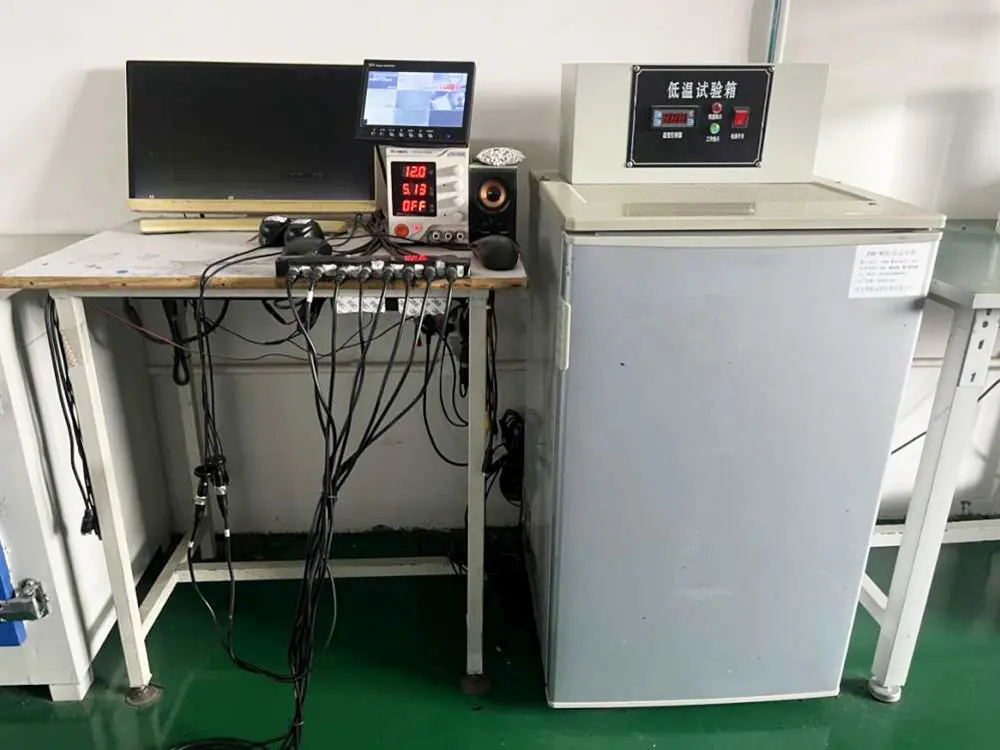
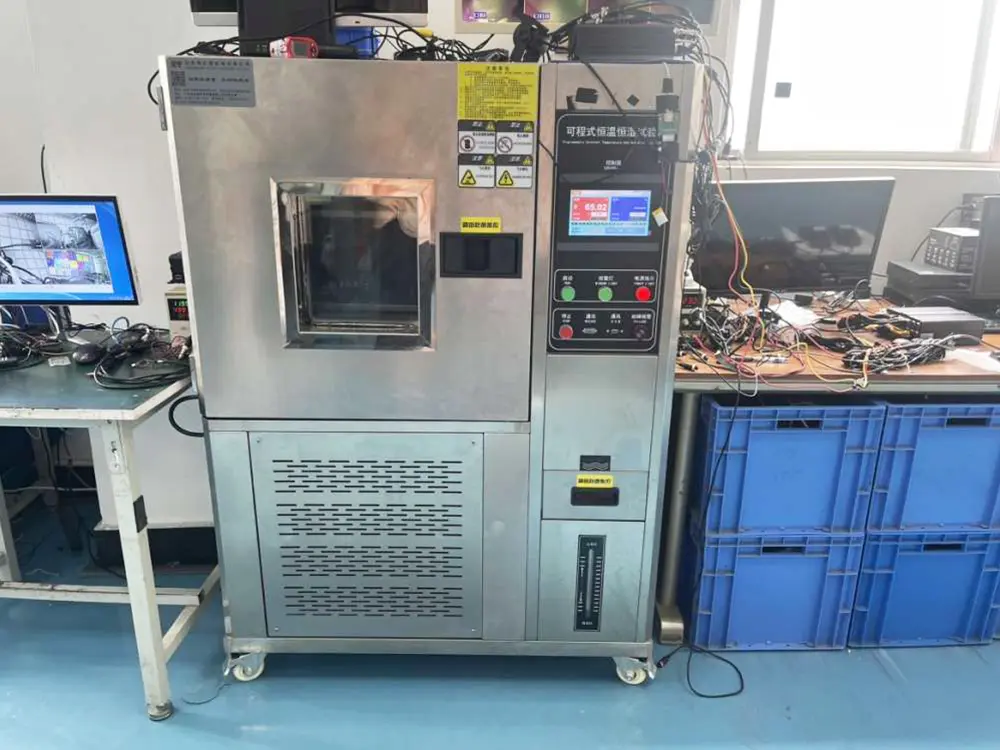
Our manufacturing ecosystem operates under globally recognized quality standards, ensuring every product delivered to international markets complies with critical trade and electrical safety regulations.


We develop and supply full-range automotive electronic safety products to improve driving safety and vehicle operation efficiency for passenger cars, commercial vehicles, engineering machinery and hazardous transport vehicles. Our complete product lineup covers:
Deploying vision systems inside explosion-prone zones requires custom configurations tailored to specific operational hazards and environments.
Fleets hauling flammable fuels, liquefied natural gas (LNG), or volatile chemicals require continuous blind-spot and in-cabin monitoring. Our miniature explosion-proof cameras mount directly near tank valves and exhaust zones, connecting to localized AI MDVRs to ensure safe transport in compliance with international ADR treaties.
Marine atmospheres are highly corrosive and feature volatile hydrocarbons. Our 316L stainless steel mini-cameras resist salt spray erosion while maintaining constant surveillance of structural integrity on drilling floors and crane booms, operating flawlessly in Category 3G/3D environments.
Heavy vibrations, zero ambient light, and airborne methane/coal dust threaten electrical equipment. By pairing high-shock-resistant mounting brackets with starlight CMOS sensors and Ex-proof designs, our cameras ensure loader operators navigate tight shafts safely.
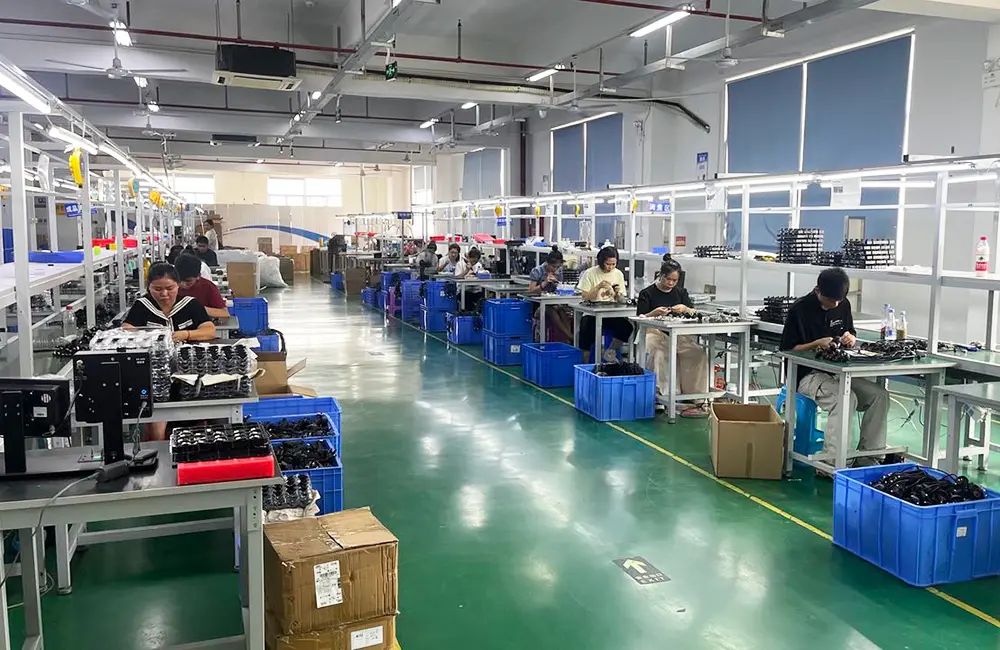
Supported by China’s mature automotive electronics industrial cluster resources, we build a strict upstream manufacturer screening system. All cooperative factories pass unified quality compliance audit, with stable mass production capacity and punctual delivery capability. We integrate supply chain resources to provide flexible and efficient foreign trade services for global customers:
We balance high product cost performance and flexible service mechanism, helping global customers avoid supply chain risks and realize stable and worry-free long-term procurement.
The industrial explosion-proof camera sector is undergoing a rapid technological evolution. As end-users demand richer telemetry and automation, the industry is transitioning away from standard analog CCTV feeds toward integrated edge computing units. The next decade will focus on three core pillars:
Instead of sending video data to external servers for AI processing, future miniature explosion-proof cameras will run neural networks on-device. This allows for immediate, low-latency detection of hazards such as flame flickers, chemical leak mists, and unauthorized human presence in restricted zones, directly triggering local safety interlocks.
Routing armored cables through complex industrial complexes is incredibly expensive. Developing intrinsically safe, wireless micro-cameras running on high-capacity internal batteries or energy-harvesting modules—transmitting via 5G private networks or Wi-Fi 6—will significantly reduce installation and maintenance costs.
Relying solely on visual light spectrums is insufficient for complex hazard prevention. Manufacturers are integrating micro-thermal cores and time-of-flight (ToF) sensors alongside traditional starlight optical sensors inside miniature explosion-proof housings, enabling clear monitoring through dense smoke, steam, or complete darkness.
An explosion-proof camera does not mean the camera can survive an external bomb blast unharmed. Rather, it means that the camera’s outer housing is engineered to contain any internal electrical spark or explosion. This ensures that the internal event does not ignite the volatile gases, dust, or vapors present in the surrounding industrial atmosphere.
ATEX is the European regulatory standard mandatory for all equipment deployed in explosive atmospheres within the EU. IECEx is the international standard system that harmonizes global safety testing. CE marking demonstrates that the product meets EU safety, health, and environmental protection requirements. For global applications, having both CE and ATEX/IECEx credentials ensures maximum import and operational compliance.
316L stainless steel contains molybdenum, which significantly increases the material's resistance to pitting corrosion in chloride-heavy environments (such as offshore marine environments) and highly acidic chemical atmospheres. This makes it the ideal material for heavy-duty, long-term deployments in harsh industrial zones.
In explosive environments, installing high-powered LED floodlights can introduce additional safety hazards and draw substantial electrical currents. A starlight CMOS sensor utilizes ambient light (moonlight, starlight, or minimal nearby facility lights) to deliver clear, colored 1080P video, minimizing the need for active supplemental illumination.
Yes. Our cameras utilize standard AHD (Analog High Definition) or IP video signal protocols, ensuring plug-and-play compatibility with international Mobile DVR systems, ADAS collision warning platforms, and commercial cabin fatigue monitoring setups.
 Xiyue Electronics