Premium grade imaging sensors designed to operate under harsh environmental and mechanical conditions.
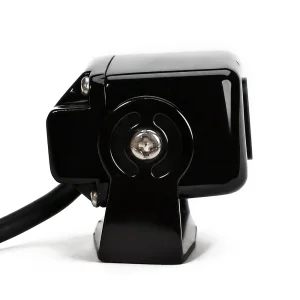
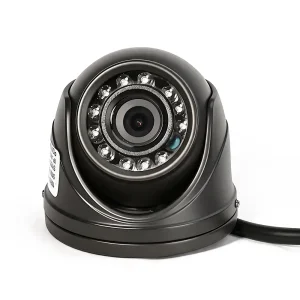
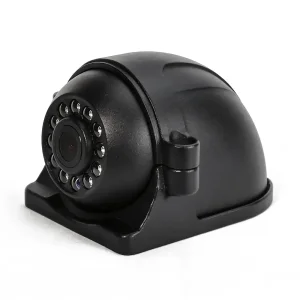
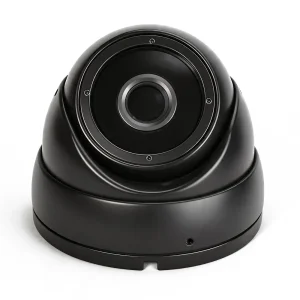
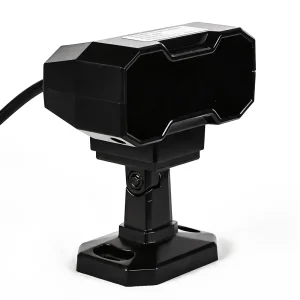
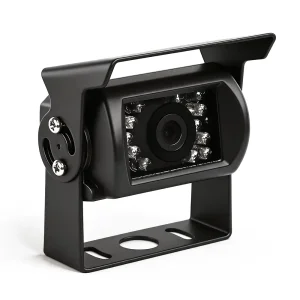
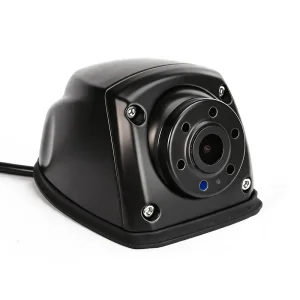
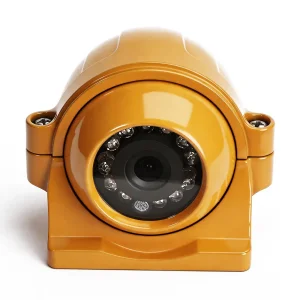
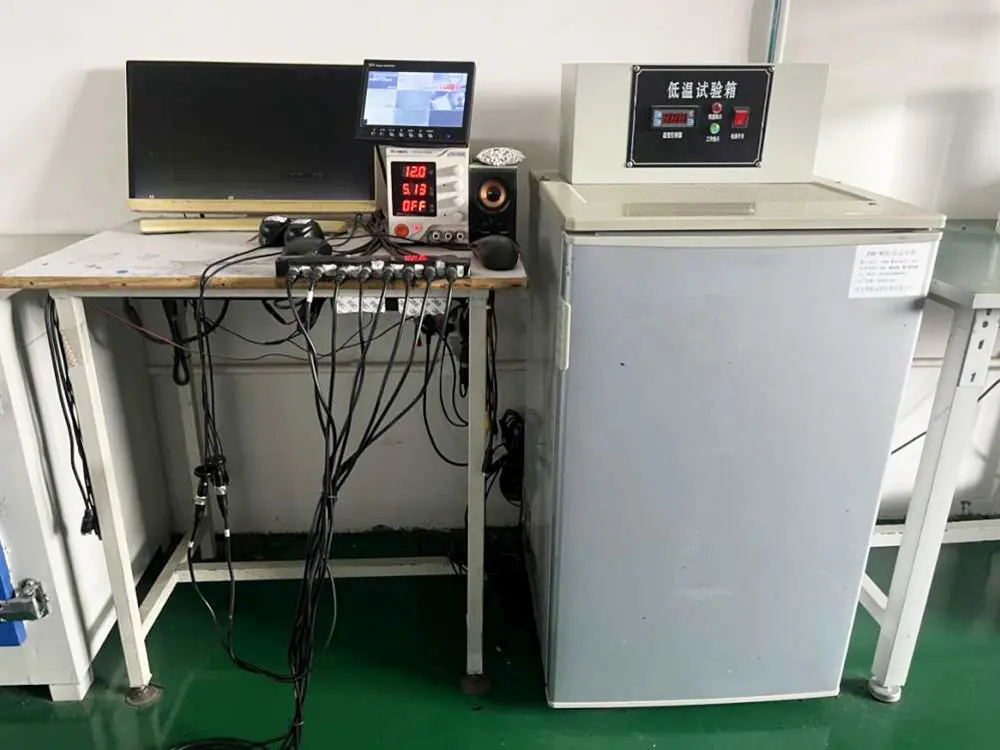
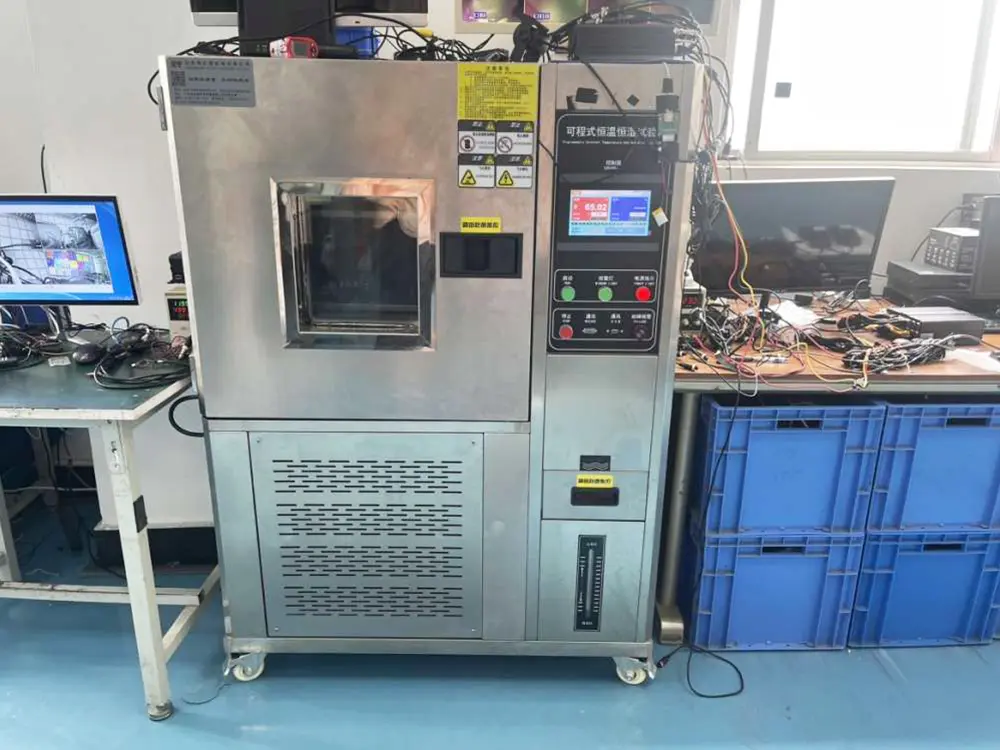
Reliability built on certified processes, specialized components, and automated quality control.
As the international recreational vehicle (RV) and heavy duty fleet markets expand, mobile vision safety systems have transitioned from optional comfort upgrades to critical legal and insurance mandates. Globally, safety regulators are requiring wide-angle camera systems, blind spot detection (BSD), and driver monitoring systems (DMS) to prevent collisions. From Class A, B, and C motorhomes to long-haul logistics fleets, integrated multi-camera networks are key to minimizing liabilities, optimizing route safety, and keeping drivers secure.
B2B wholesale buyers—including automotive electronics distributors, professional fleet management agencies, specialty RV upfitters, and heavy-duty machinery OEMs—confront distinct operational challenges. Key challenges include maintaining consistent signal integrity across long vehicle bodies, ensuring optical durability under intense thermal shifts, and securing regulatory certifications such as CE, FCC, and RoHS. Establishing partnerships with verified factories capable of providing high-performance camera modules and deep customized hardware/software support is essential for mitigating supply chain risks and preserving unit economics.
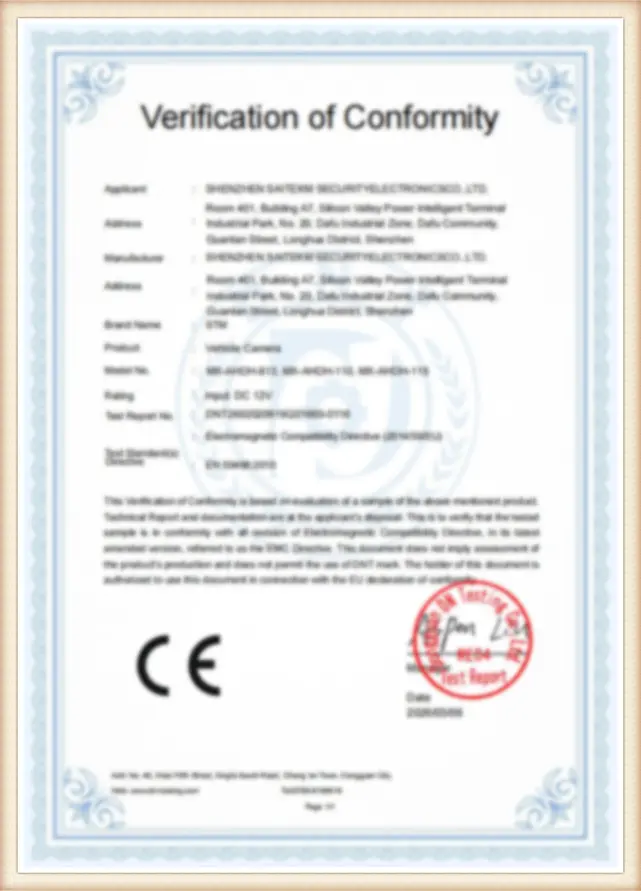
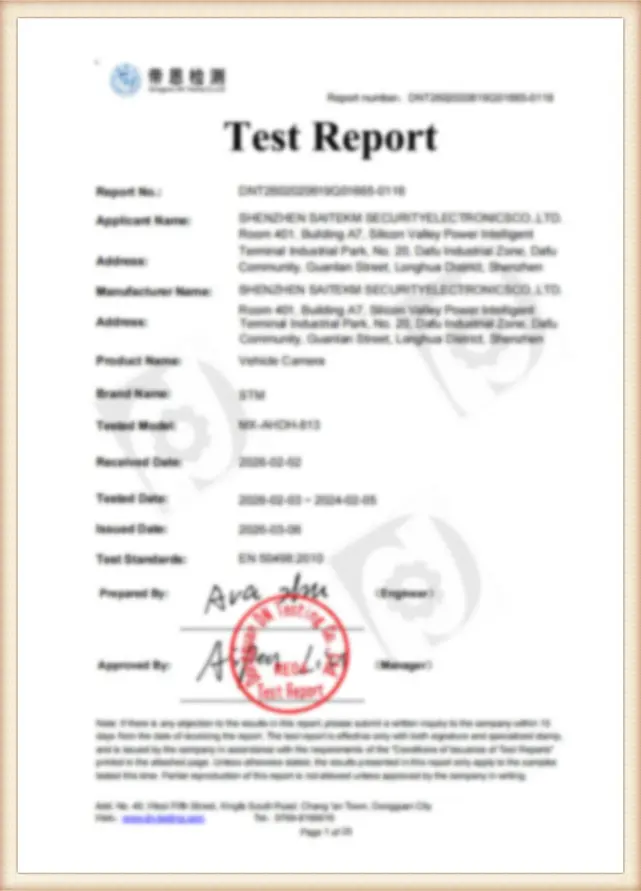
For import into the European Economic Area (EEA), CE Certification is not merely a label—it is a vital regulatory requirement. CE marking signifies that an RV camera conforms to European safety, health, and environmental protection standards. Within automotive electronics, this primarily targets electromagnetic compatibility (EMC) directives, ensuring that the camera does not interfere with the vehicle's onboard communication systems (such as CAN bus networks) and is sufficiently shielded from external electromagnetic noise.
China is the global center for high-volume, precision automotive imaging technology. The structural advantages offered by Chinese manufacturing clusters—specifically located within the Guangdong province—provide overseas buyers with a level of manufacturing support, speed, and cost efficiency that is difficult to replicate elsewhere.
A trusted long-term strategic procurement partner for global commercial vehicle and RV safety networks.
Xiyue Electronic Information Technology Co., Ltd. is a professional and reliable foreign trade enterprise focusing on global export of high-performance vehicle-mounted camera systems and full-series automotive electronic products. More than a mere product supplier, we serve as a long-term strategic procurement partner for global overseas buyers, focusing on simplifying cross-border procurement procedures and reducing overall purchasing costs for all clients.
We adhere to a one-stop comprehensive service mode, covering professional product recommendation, accurate quotation, OEM/neutral packaging customization, unified quality inspection, cross-border logistics and complete after-sales support. Our core mission is to provide worry-free, efficient and stable overall procurement solutions for global automotive electronics distributors, fleet companies and engineering equipment merchants.

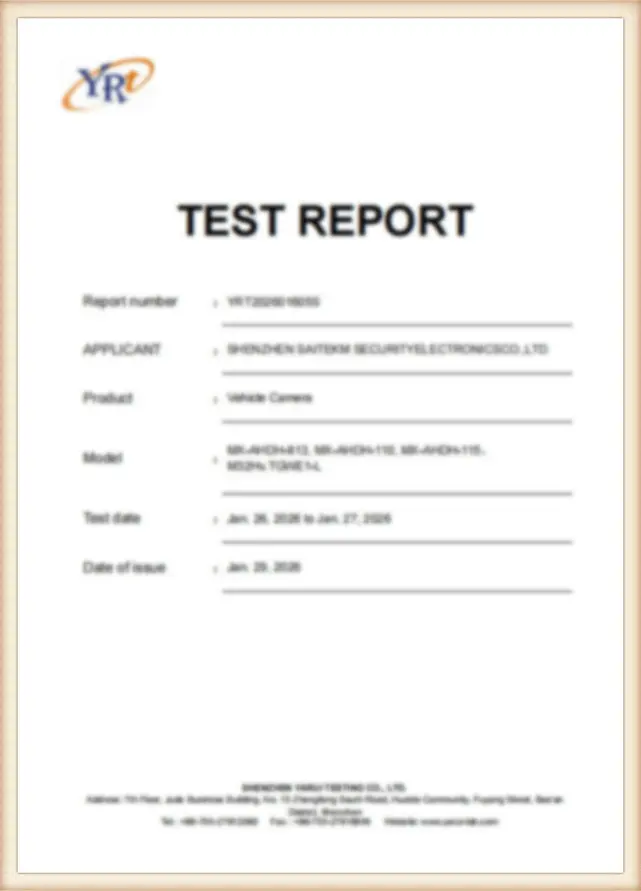
We develop and supply full-range automotive electronic safety products to improve driving safety and vehicle operation efficiency for passenger cars, commercial vehicles, engineering machinery and hazardous transport vehicles. Our complete product lineup covers:
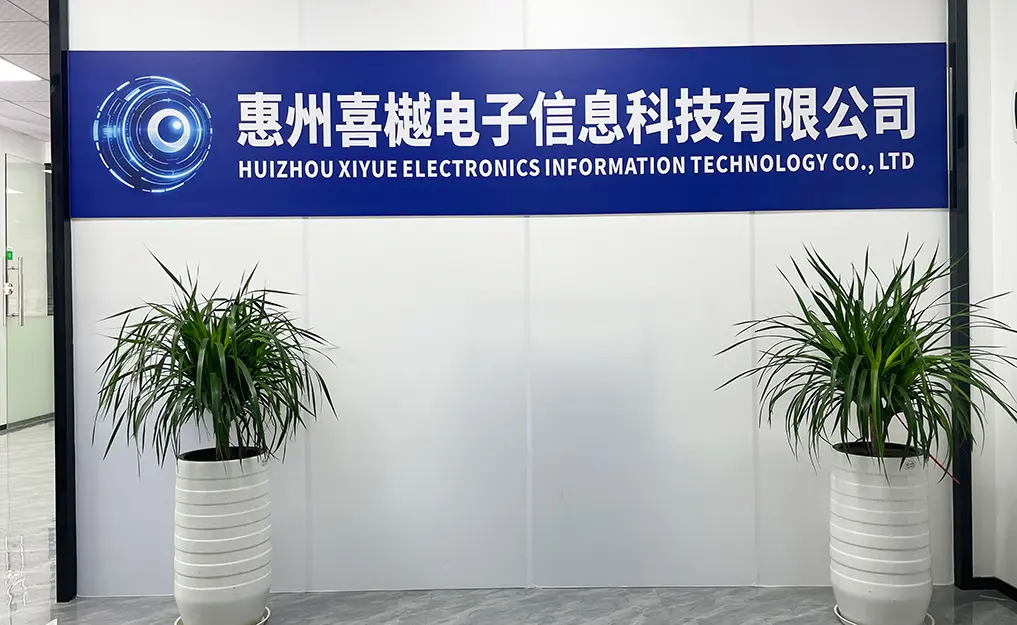
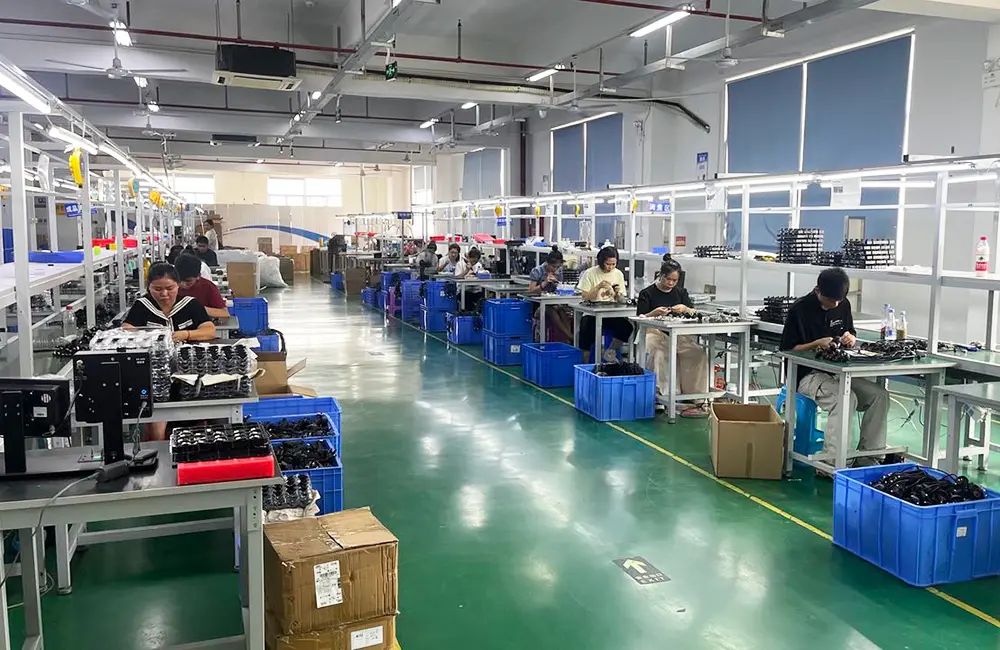
Supported by China’s mature automotive electronics industrial cluster resources, we build a strict upstream manufacturer screening system. All cooperative factories pass unified quality compliance audit, with stable mass production capacity and punctual delivery capability. We integrate supply chain resources to provide flexible and efficient foreign trade services for global customers:
We balance high product cost performance and flexible service mechanism, helping global customers avoid supply chain risks and realize stable and worry-free long-term procurement.
Different regions present unique environmental challenges that require tailored camera configurations. Selecting a "one-size-fits-all" product often leads to high failure rates in the field. B2B importers must select configurations tailored to local climates and use cases:
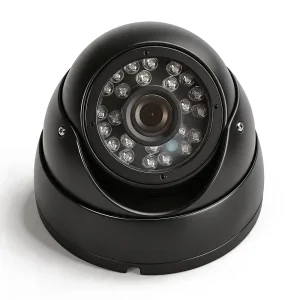
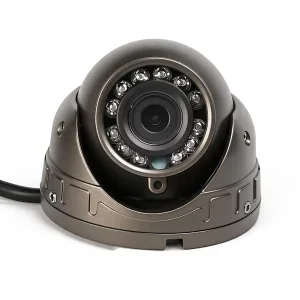
Extreme temperatures reaching +50°C require cameras with high heat dissipation. Zinc-alloy metal dome housings and thermal-isolated PCBs prevent lens shifting caused by plastic expansion, maintaining focus in hot climates.
High salt levels corrode housing alloys and fog optical components. Importers should source IP69K-rated double-sealed enclosures coated with anti-corrosive powder finishes to maintain structural and optical integrity.
Ice and condensation blur lenses. Our premium exterior cameras feature internal thermal elements that automatically activate below 5°C, melting ice on the protective glass to maintain clear visibility.
The transition from low-resolution analog CVBS to High-Definition formats has redefined vehicle vision systems. When planning product lineups, B2B buyers should focus on three major technology trends:
AHD remains the standard for RVs and heavy commercial vehicles. It provides 1080P resolution over traditional coaxial cables up to 30 meters without transmission lag. In contrast, IP systems are popular for smart transit systems requiring integrated networking and digital video streams, though they carry higher component costs. We offer both technologies to fit various system architectures.
Advanced cameras do more than display video; they actively analyze it. DMS algorithms process facial patterns in real time, detecting signs of fatigue like micro-sleeps or distraction. Exterior BSD cameras utilize motion detection to identify pedestrians or cyclists in blind spots, sending immediate warnings to the driver.
Conventional infrared (IR) cameras switch to black-and-white mode in dark environments, losing color data. Starlight cameras feature high-aperture lenses (F1.2) and sensitive image sensors, capturing full-color, high-definition video in low-light environments, improving visibility during nighttime driving.
Procuring camera systems for major fleets or retail distribution requires careful attention to integration and long-term support. Below are key factors to consider:
Comprehensive technical answers to common B2B procurement and engineering questions.
CE certification proves that the camera meets European safety and environmental standards. For vehicles, it ensures compliance with the EMC Directive (EN 50498), verifying that the camera's electronics will not interfere with vital vehicle safety systems like ABS or engine control modules.
IP67 systems withstand temporary immersion in water up to 1 meter for 30 minutes. IP68 units are rated for continuous submersion. IP69K, the highest rating, ensures the camera can withstand close-range, high-pressure, high-temperature washdowns (common in commercial vehicle cleaning).
AHD supports 1080P resolution without latency over standard coaxial cables up to 30 meters. Standard CVBS is limited to low-resolution analog video, which degrades over long runs, leaving drivers with poor visibility.
Yes. We provide complete OEM/ODM customization services, including custom firmware branding, specialized OSD guidelines, neutral packaging design, and client-specific logo printing.
DMS modules use integrated processors to identify driver behaviors like yawning, closing eyes, or using a phone, issuing real-time alerts to prevent accidents and lower fleet insurance costs.
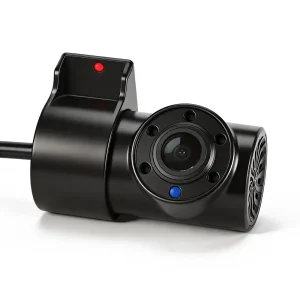
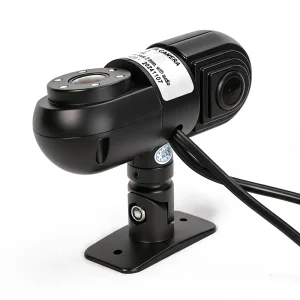
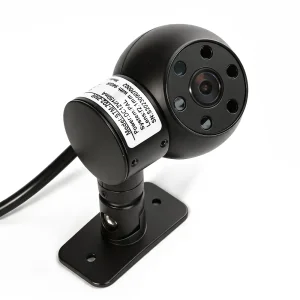
Explore our complete range of certified interior and exterior monitoring cameras.
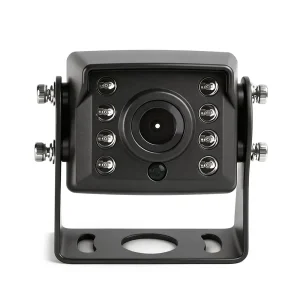
 Xiyue Electronics