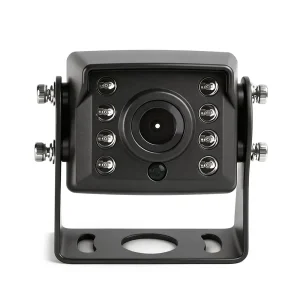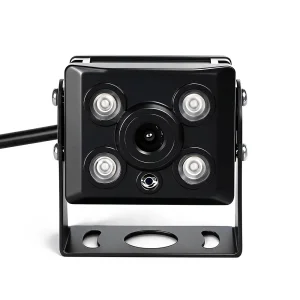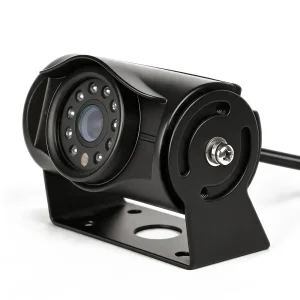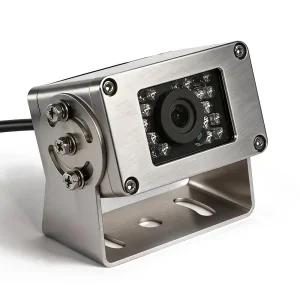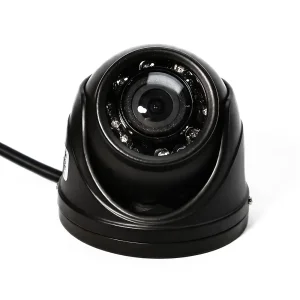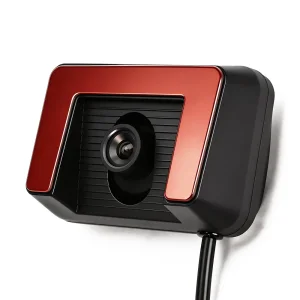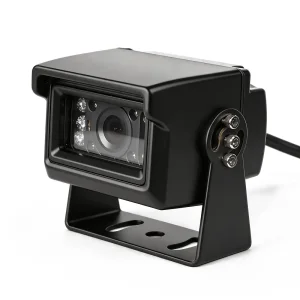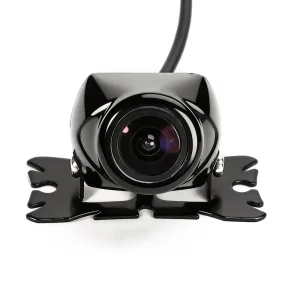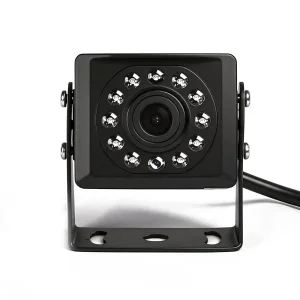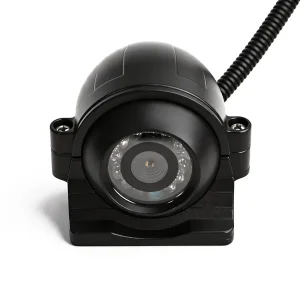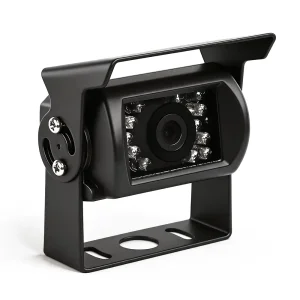
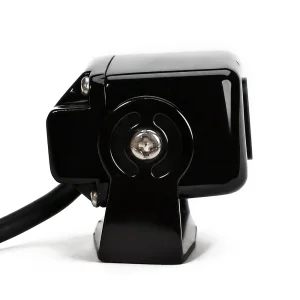
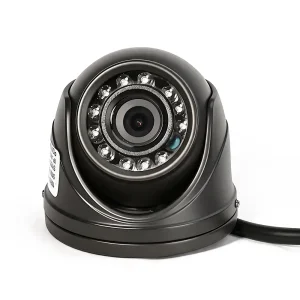
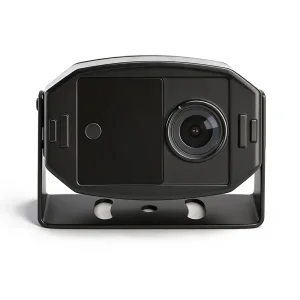
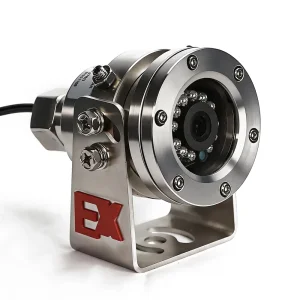
In modern commercial fleet management, transit networks, and heavy industrial operations, safety is governed by the quality of real-time spatial awareness. Automotive vision systems—specifically CE Certified Infrared Night Vision Car Cameras—serve as the foundational hardware layer for Advanced Driver Assistance Systems (ADAS), Driver Monitoring Systems (DMS), and overall liability mitigation.
However, global procurement managers face significant noise when vetting manufacturers. Cheap consumer-grade camera chips are frequently rebranded for industrial use, leading to premature field failures due to thermal shock, high vibration, moisture ingress, and optical degradation under starlight conditions. This whitepaper systematically breaks down the engineering criteria, China-based manufacturing advantages, design standardizations, and integration pipelines that distinguish enterprise-grade automotive cameras from standard hardware.
By shifting focusing strategies toward high-performance CMOS architectures, robust thermal dissipation, and certified compliance (such as CE, FCC, and IP67/IP69K standards), organizations can build bulletproof supply chains while slashing maintenance overhead.

China represents the epicenter of automotive optoelectronic engineering. Harnessing industrial clusters allows factories to rapidly deploy advanced night vision technology at competitive price points.
Direct proximity to high-grade lens assembly shops, ISP chip producers, and precision die-casting manufacturers reduces design cycle times from months to weeks.
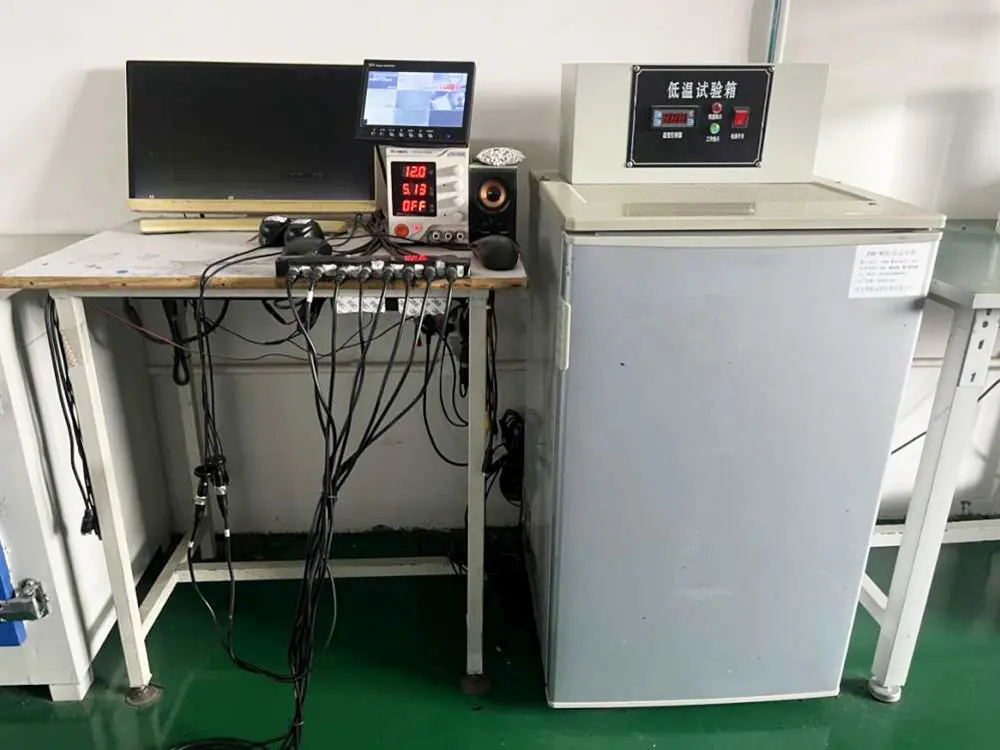
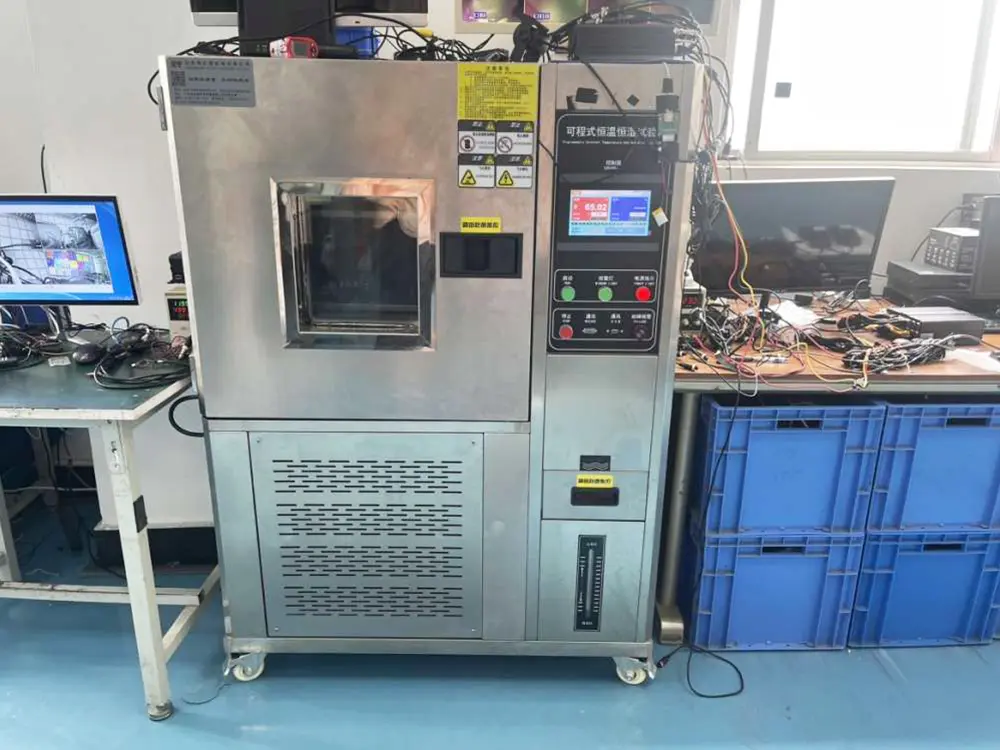
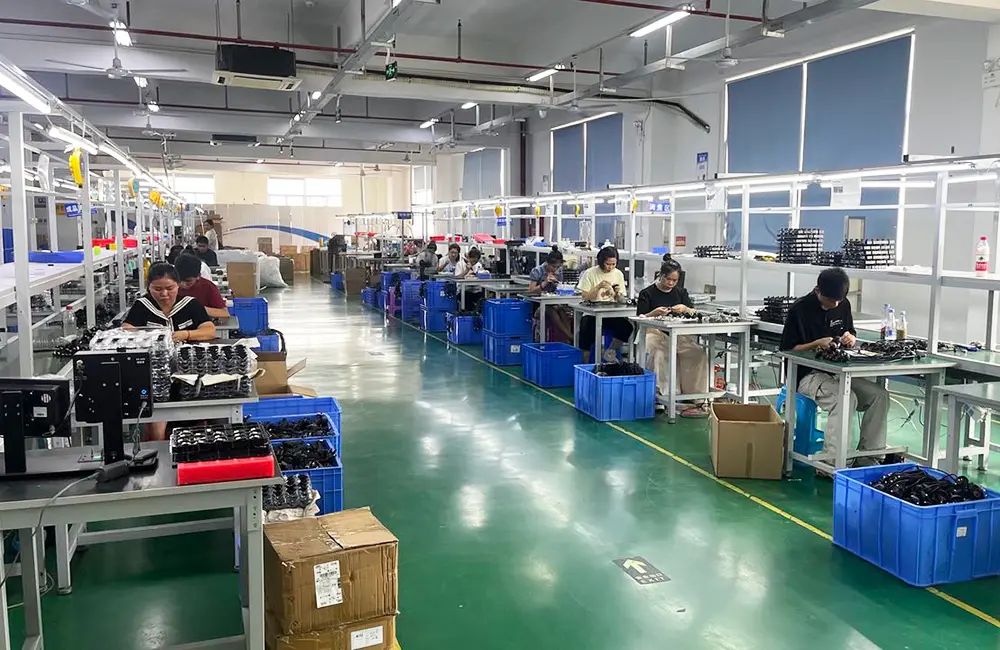
Advanced factories utilize automated optical inspection (AOI), high-temperature stress ovens, IPX9K water jet testing chambers, and six-axis shake tables to ensure reliability.
Whether you require specific connector modifications (such as M12 aviation plugs or BNC), tailored firmware protocols for MDVRs, or custom housing branding, our production setups adapt quickly.
For chemical and fuel tankers, explosion-proof vehicle cameras (certified to ATEX/Ex-proof ratings) prevent flammable vapor ignition while providing 1080P starlight night surveillance around dead zones.
Operating in low-visibility pits, dump trucks require ruggedized cameras with high shock ratings (up to 10G) and starlight optical sensors to bypass dust, rain, and nocturnal shadows.
Cabin-based driver monitoring cameras (DMS) utilize specialized 940nm active infrared illumination to read eye blinking, yawning, and distracted patterns, sending rapid warnings to centralized fleet management servers.
Multi-camera exterior systems record transit surroundings, providing crucial HD footage in collision disputes and reducing insurance premium exposures for transport networks.
Understanding the parameters that guarantee reliability in extreme vehicular systems.
| Parameter Class | Industrial Grade (Xiyue Standard) | Commercial Consumer Grade | Operational Impact |
|---|---|---|---|
| Optical Sensor | Sony STARVIS / high-sensitivity CMOS | Generic entry-level CMOS | High dynamic range, zero latency in starlight illumination |
| Lens Aperture | F1.0 - F1.2 Large Aperture Glass Lenses | F1.8 - F2.2 Standard Plastic Lenses | Max light gathering potential for noise-free dark shots |
| Ingress Rating | Hermetic IP67 to IP69K (Nitrogen Filled) | IP65 to basic IP66 (Rubber gasket seal) | Resistant to high pressure washdown, long-term moisture fogging |
| Night Vision Type | Active 850nm/940nm Smart IR or Starlight color | Passive digital gain boost | Clear visibility up to 15-20m in pitch black scenarios |
| Operational Temp | -40°C to +85°C structural design | -10°C to +60°C | No lens cracking, pixel drift, or boot failures in winter/summer |
We are a professional and reliable foreign trade enterprise focusing on global export of high-performance vehicle-mounted camera systems and full-series automotive electronic products. More than a mere product supplier, we serve as a long-term strategic procurement partner for global overseas buyers, focusing on simplifying cross-border procurement procedures and reducing overall purchasing costs for all clients.
We adhere to a one-stop comprehensive service mode, covering professional product recommendation, accurate quotation, OEM/neutral packaging customization, unified quality inspection, cross-border logistics and complete after-sales support. Our core mission is to provide worry-free, efficient and stable overall procurement solutions for global automotive electronics distributors, fleet companies and engineering equipment merchants.

Ensuring global compliance and trouble-free customs entry into EU, US, and regional markets.
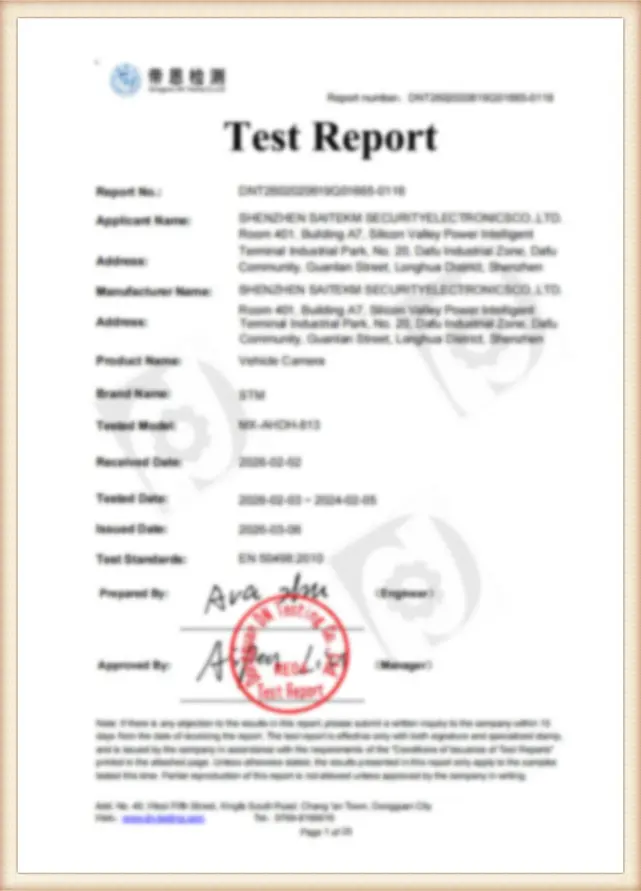
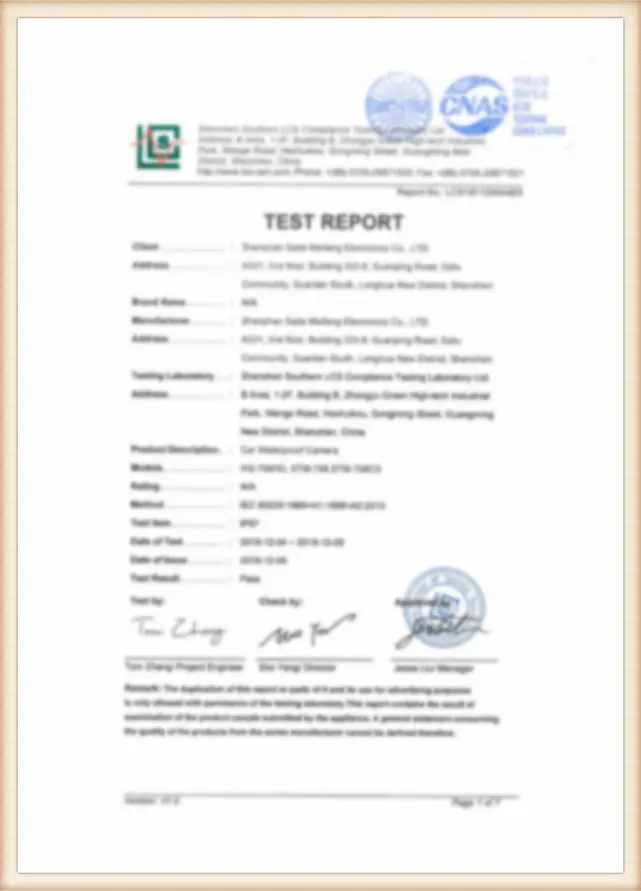
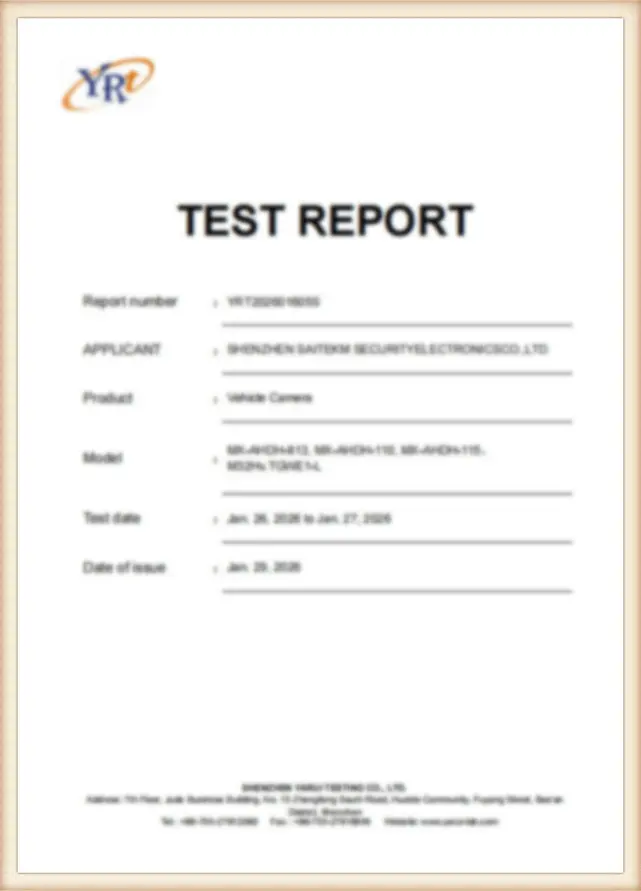
Supported by China’s mature automotive electronics industrial clusters, we build a strict upstream manufacturer screening system. All cooperative factories pass unified quality compliance audits with stable mass production capacity and punctual delivery. Our complete safety portfolio covers:
Support in-stock quick delivery orders and customized agent procurement orders based on buyer requirements.
24-hour online support, fast and precise official quotation sheets with detailed technical parameter breakdowns.
Provide neutral white box packaging, logo silkscreening, exclusive OEM software UI, and customized hardware enclosures.
Accept small-batch trial orders for testing and large-batch bulk orders, maintaining short production lead times.
Integrated freight arrangement, customs clearance documentation support, and full-cycle shipment tracking.
We balance product cost performance with flexible service mechanisms, helping global fleet operators, commercial vehicle distributors, and system integrators bypass supply chain risks and achieve long-term procurement stability.
Modern developments point towards higher sensitivity CMOS chips that process full-color images in lighting down to 0.0001 Lux, shifting focus away from relying solely on active infrared LEDs.
Cameras are morphing into smart nodes. Embedded processors handle facial landmark recognition, lane departure estimation, and blind spot objects directly inside the housing before transferring alerts.
As displays move to 4K resolutions, vehicle cameras are shifting from low-res CVBS networks to high-fidelity Analog High Definition (AHD) and Gigabit IP Ethernet pipelines.
 Xiyue Electronics