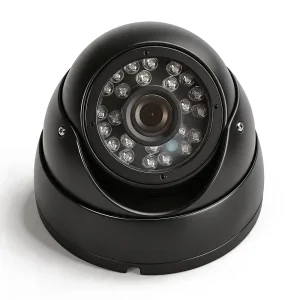
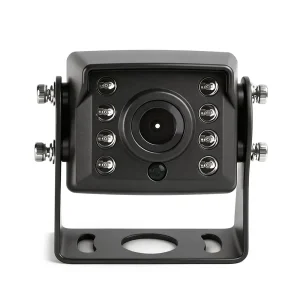
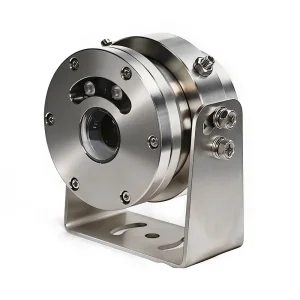
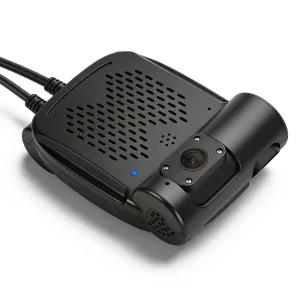
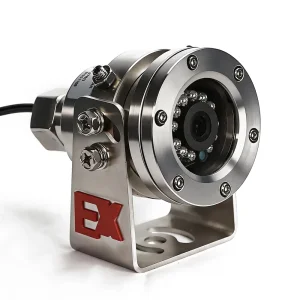
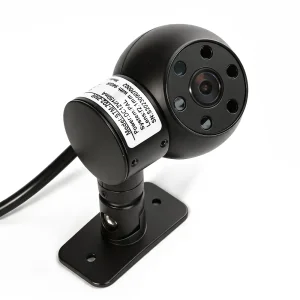
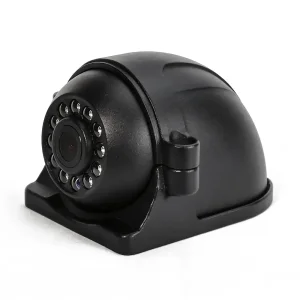
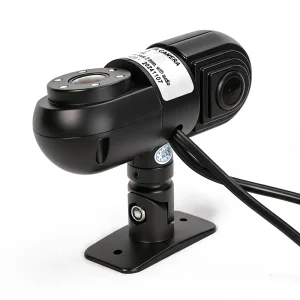
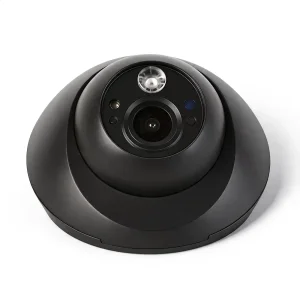
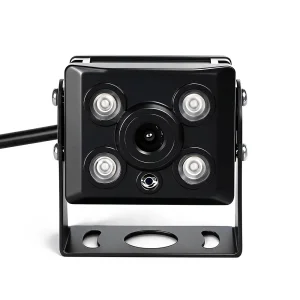
Explore our top-performing vehicle monitoring systems, ready for rapid deployment with full compatibility profiles for medium-to-heavy vehicles.
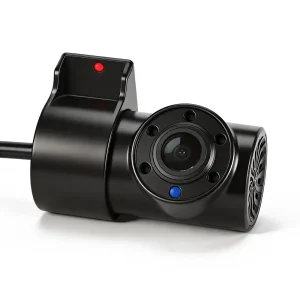
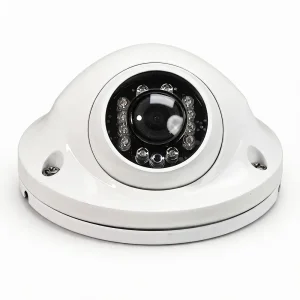
An authoritative research report on commercial vehicle optical design, manufacturing standards, and strategic sourcing strategies.
In the global transportation and logistics infrastructure, commercial vehicles constitute the primary arteries of economic movement. However, the physical dimensions, variable cargo load structures, and structural profile complexities of modern trucks introduce critical blind spots that threaten public safety and asset integrity. Traditional fixed-angle vehicle cameras often fall short in complex operational environments. This realization has triggered an industry-wide transition toward Adjustable Lens Angle Truck Cameras—a versatile technology enabling onsite physical adjustment, precise optical alignment, and adaptable deployment scenarios across heterogeneous fleets.
From an engineering standpoint, an adjustable lens architecture allows technicians and installers to fine-tune the sensor's field of view (FOV) relative to the specific mechanical mounting brackets and vehicle height variations. This flexibility is vital. Whether deploying cameras on high-sided haulage trailers, flatbed utility trucks, or complex municipal garbage trucks, the capability to position the focal plane precisely ensures optimal blind spot elimination, reliable ADAS inputs, and compliant operator visibility. This comprehensive white paper outlines the technological pathways, manufacturing standards, supply chain dynamics, and strategic procurement frameworks governing this safety-critical sector.
For global procurement managers, fleet operators, and tier-1 automotive suppliers, sourcing truck cameras is not merely a transaction; it is a long-term risk management process. Buyers consistently face pain points related to build quality, structural longevity, and compliance certifications. Sourcing directly from certified China truck camera factories offers significant benefits, but it also presents hurdles in quality verification, communication clarity, and logistical handoffs.
Purchasing units typically grapple with a critical decision: should they source standard, off-the-shelf catalog products (in-stock) or pursue long-lead customized OEM/ODM partnerships? Standardizing on high-quality, pre-manufactured, and in-stock inventory dramatically reduces lead times, lowering overall inventory holding costs. In contrast, customized modifications—such as specific connector types (4-pin aviation plugs vs. RCA), localized firmware options, and branded cosmetic finishes—provide differentiation but introduce supply chain lag. Forward-thinking suppliers resolve this tension by maintaining rich buffer stocks of semi-finished base camera modules that can be quickly customized, assembled, calibrated, and shipped within tight operational windows.
An adjustable truck camera must withstand harsh commercial environments. Vibration, thermal shock, dust ingress, and high-pressure chemical washdowns are common challenges. Therefore, the architectural design of these systems focuses on robust engineering. Let's analyze the technical building blocks:
Utilizing high-sensitivity sensor arrays (such as Sony STARVIS or SmartSens processors) with minimum illumination thresholds down to 0.001 Lux. This guarantees clear monochrome or color imagery even in unlit nocturnal shipping hubs.
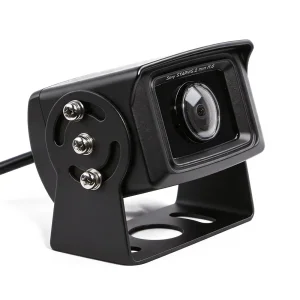
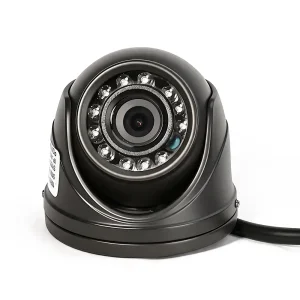
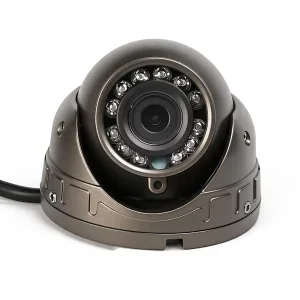
Using premium ADC12 aluminum die-cast housings coated with corrosion-resistant finishes. These assemblies achieve IP67 and IP69K ingress ratings, shielding internal optoelectronic circuits from water jets and dust.
Supporting high-definition analog (AHD 720P/1080P) for zero-latency, long-distance transmission over coax cables, as well as IP (Ethernet-based) digital protocols for complex network installations.
The mechanical pivot mechanism is the core feature of an adjustable camera. Standard housings use a heavy-duty ball-and-socket design or dual-axis adjustment screws. During installation, technicians can rotate the sensor body around its longitudinal, lateral, and vertical axes to align the horizontal horizon. Once adjusted, high-torque locking screws prevent alignment drift caused by low-frequency road vibration (compliant with ISO 16750-3 vibration test standards). This ensures the camera's field of view remains stable throughout its operational lifespan.
Different commercial vehicle sectors require specialized hardware configurations. A single, generic design cannot meet all industry needs. An experienced manufacturer must tailor solution architectures to specific vertical markets:
Your trusted global manufacturing and supply chain partner for vehicle safety electronics.
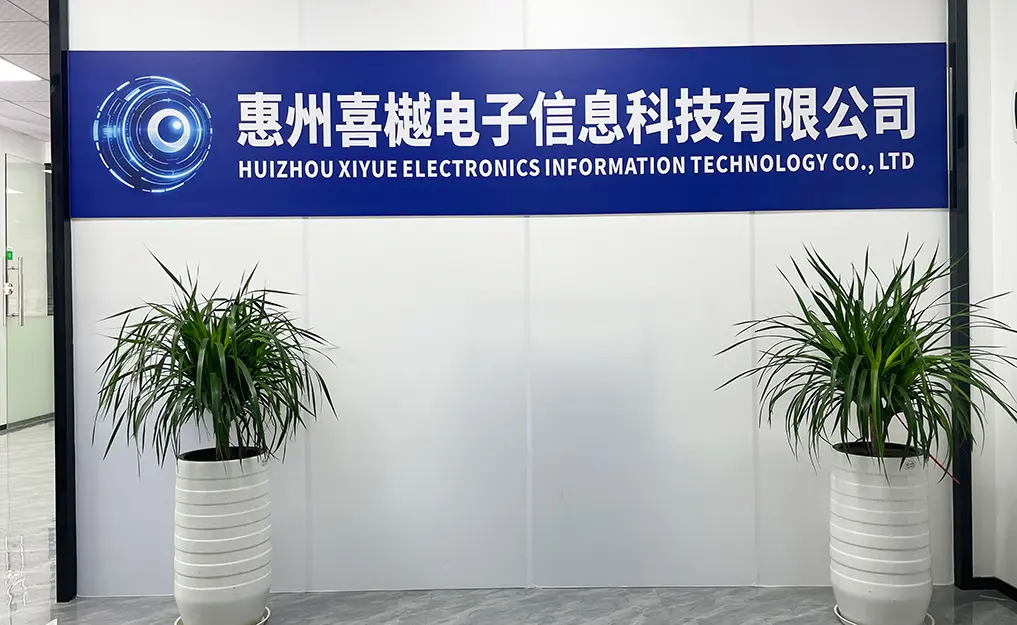
Xiyue Electronic Information Technology Co., Ltd. is a professional and reliable foreign trade enterprise focusing on global export of high-performance vehicle-mounted camera systems and full-series automotive electronic products. More than a mere product supplier, we serve as a long-term strategic procurement partner for global overseas buyers, focusing on simplifying cross-border procurement procedures and reducing overall purchasing costs for all clients.
We adhere to a one-stop comprehensive service mode, covering professional product recommendation, accurate quotation, OEM/neutral packaging customization, unified quality inspection, cross-border logistics and complete after-sales support. Our core mission is to provide worry-free, efficient and stable overall procurement solutions for global automotive electronics distributors, fleet companies and engineering equipment merchants.

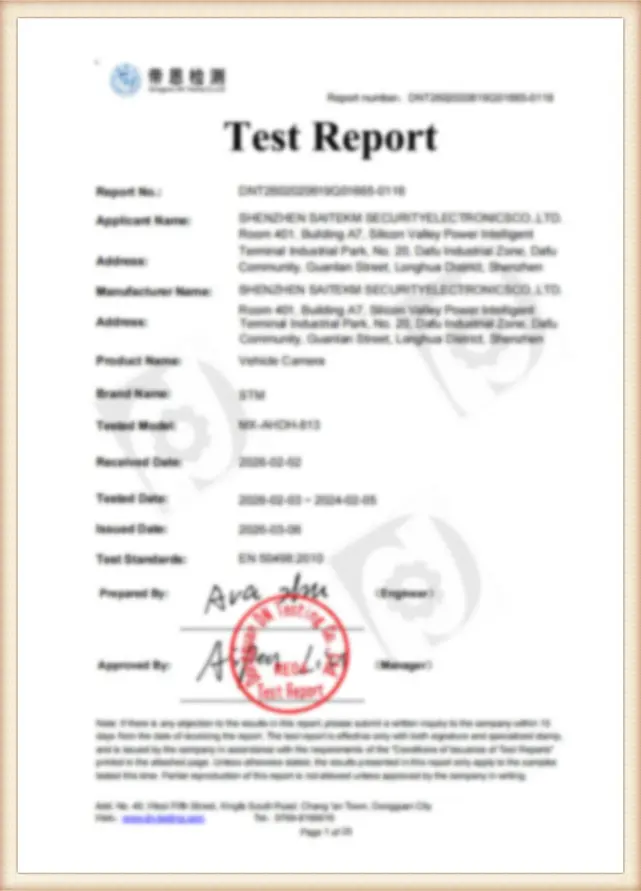
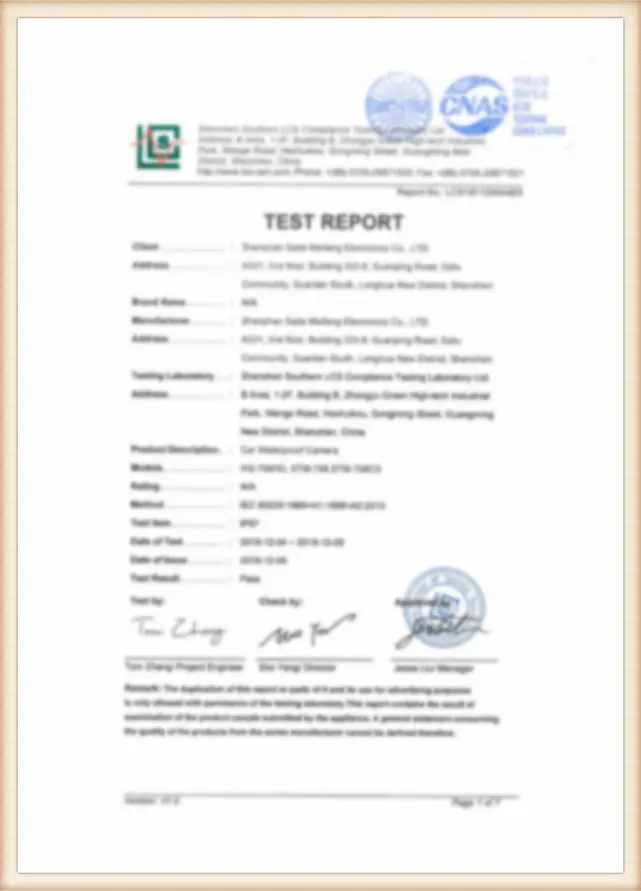
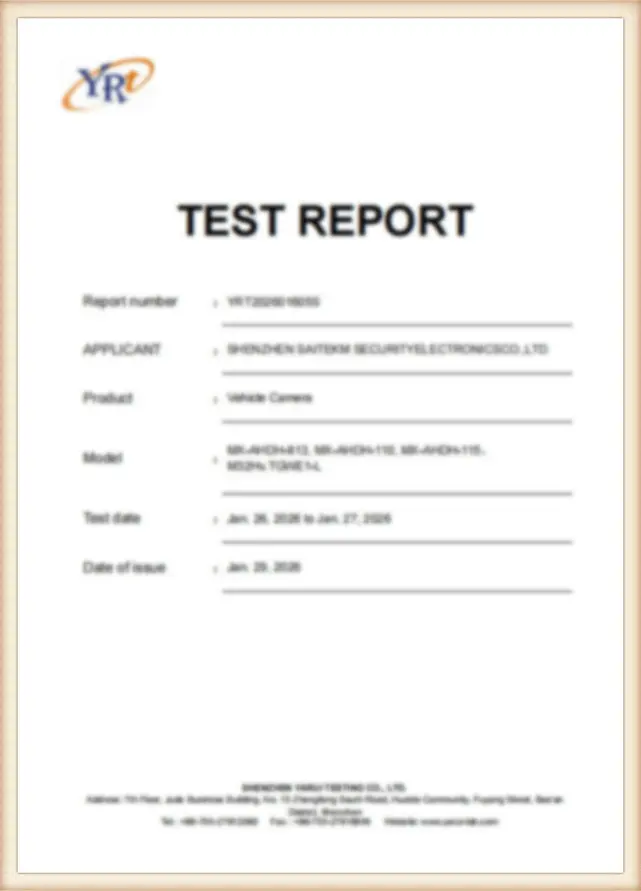
Our products and production processes are backed by international certifications, confirming our focus on quality, safety, and regulatory compliance.
We develop and supply full-range automotive electronic safety products to improve driving safety and vehicle operation efficiency for passenger cars, commercial vehicles, engineering machinery and hazardous transport vehicles. Our complete product lineup covers:
Leveraging regional resources to streamline international procurement and reduce supply chain risks.
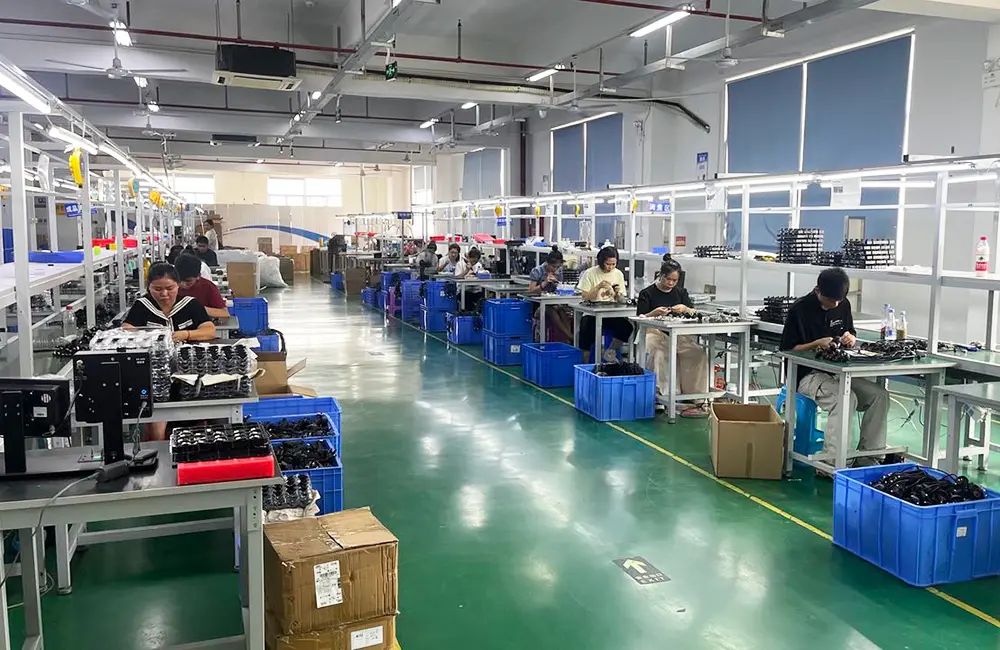
Supported by China’s mature automotive electronics industrial cluster resources, we build a strict upstream manufacturer screening system. All cooperative factories pass unified quality compliance audit, with stable mass production capacity and punctual delivery capability. We integrate supply chain resources to provide flexible and efficient foreign trade services for global customers:
Support in-stock quick delivery orders and customized agent procurement orders
24-hour online support, fast and precise official quotation with detailed parameter sheets
Provide neutral white box packaging, logo printing, exclusive OEM software and hardware customization
Accept small-batch trial orders and large-batch bulk orders, with short production lead time
Integrated logistics arrangement, customs clearance assistance and full-cycle after-sales tracking
We balance high product cost performance and flexible service mechanism, helping global customers avoid supply chain risks and realize stable and worry-free long-term procurement.
Sourcing electronic hardware globally requires strict adherence to regional safety and environmental rules. Enterprise buyers must verify that their suppliers hold active international certifications. For instance, CE and FCC certifications are required for entry into the European and North American markets, ensuring products meet electromagnetic interference (EMI) and structural safety guidelines. Similarly, RoHS compliance guarantees that manufacturing processes exclude hazardous substances, protecting both end users and the environment.
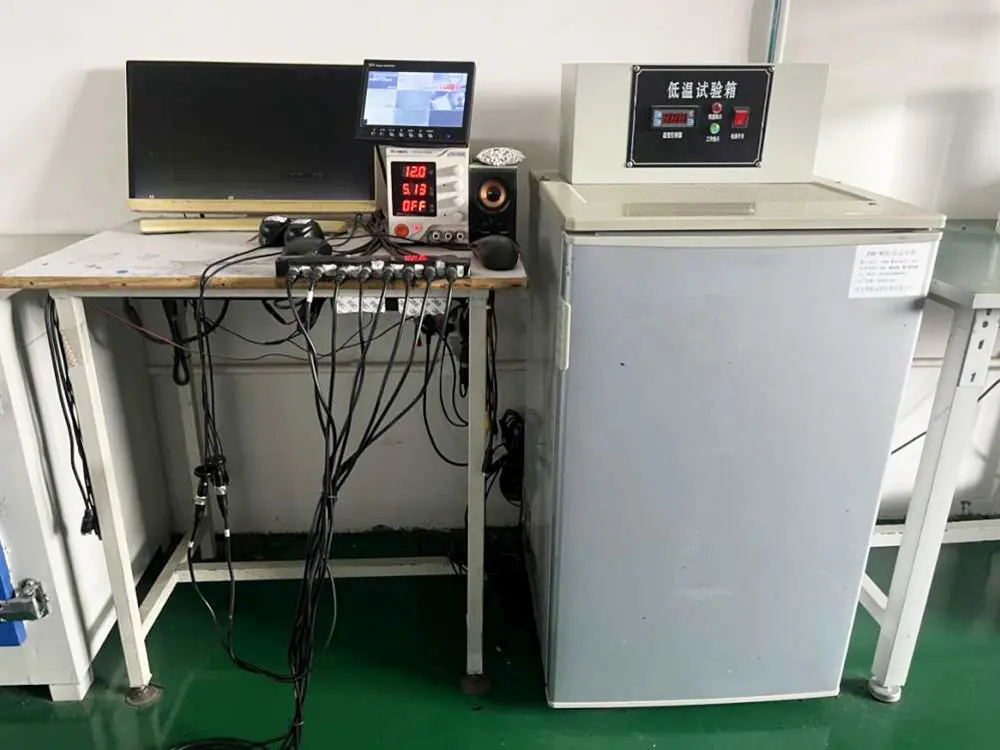
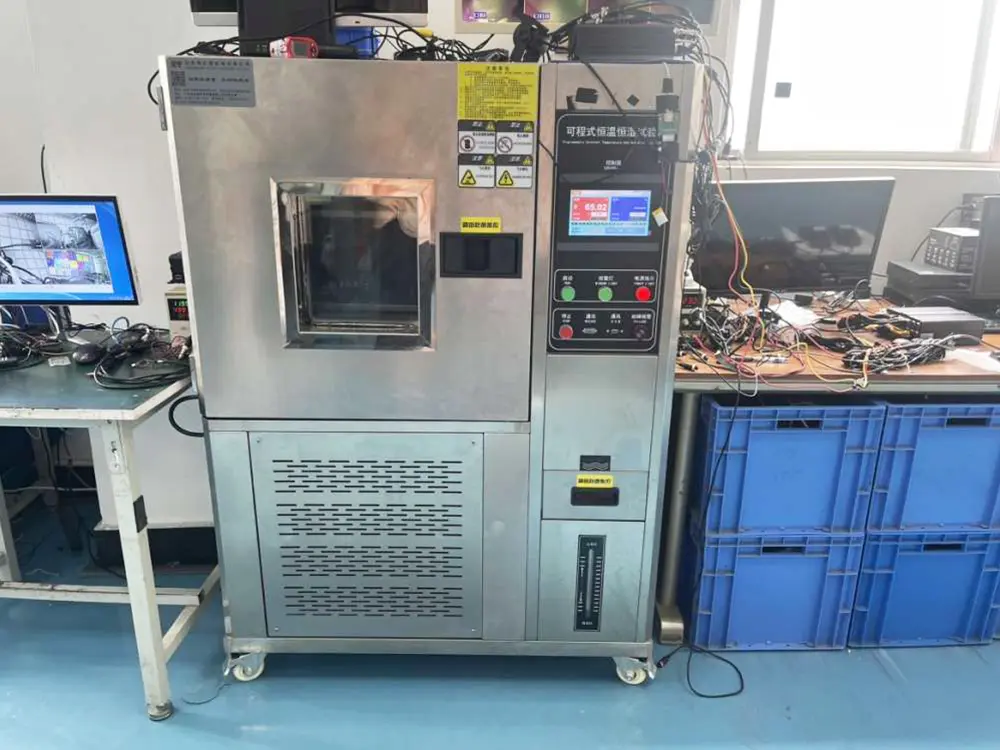
Beyond baseline safety certs, premium automotive designs require rigorous verification of dust and moisture ingress protection (IP ratings). The IP67 standard ensures survivability during heavy rain, while the advanced IP69K standard guarantees the housing can withstand high-pressure steam cleaning at close range. Achieving these ratings requires specialized gaskets, automated adhesive sealing, and vacuum-sealed chambers. In our factories, each batch of cameras undergoes hydrostatic pressure testing to verify seal integrity before packaging. This systematic quality assurance helps prevent field failures, protecting your fleet's runtime and reducing warranty claims.
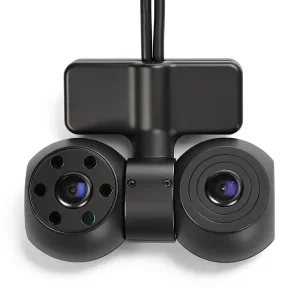
The vehicle camera sector is moving toward deeper intelligence and high-resolution optical pathways. Over the next decade, technology will transition from passive analog viewing to active, AI-assisted computer vision systems. By utilizing dual-sensor architectures, a single camera unit can process both near-field wide-angle blind spots and long-range high-definition forward fields simultaneously. These advances will improve the accuracy of built-in Advanced Driver Assistance Systems (ADAS).
Moreover, the integration of edge computing algorithms directly inside the camera housing is changing how fleets manage safety. Real-time processors will execute object-detection networks (YOLO models) locally on the camera, minimizing data delay to the cabin monitor. Our research and development focuses on integrating thermal optical sensors alongside standard CMOS arrays. This sensor-fusion approach delivers reliable imagery through dense fog, smoke, and total darkness, paving the way for safer commercial transportation.
Answers to common technical, manufacturing, and shipping questions for global fleet managers.
Discover specialized options, including outdoor waterproof designs, integrated AI terminals, and explosion-proof models.
 Xiyue Electronics