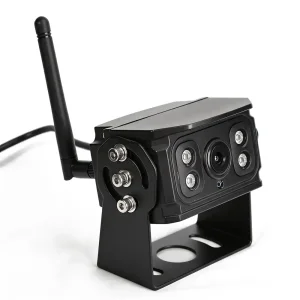
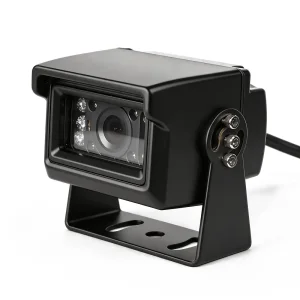
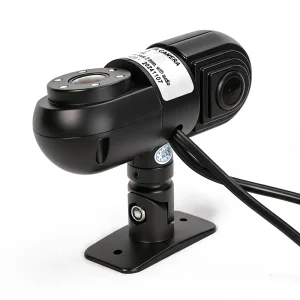
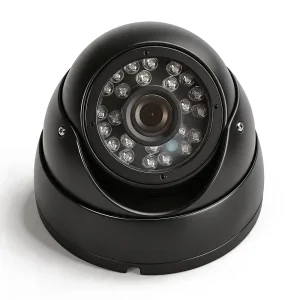
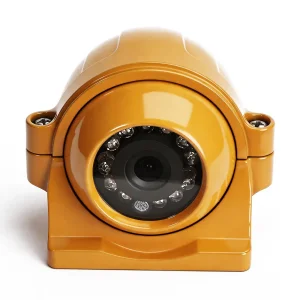
Industrial-grade vehicle optical capture systems engineered specifically for harsh electrical topologies.
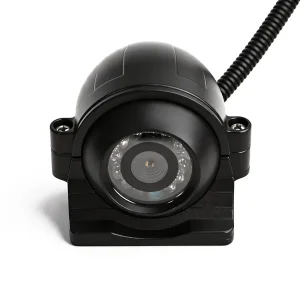
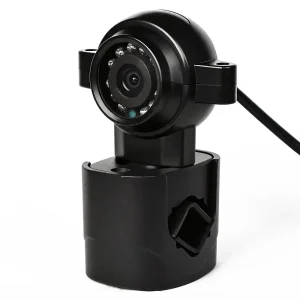
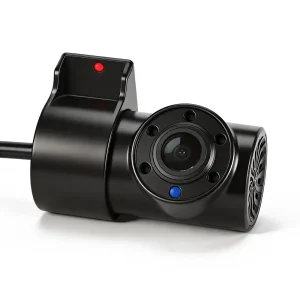
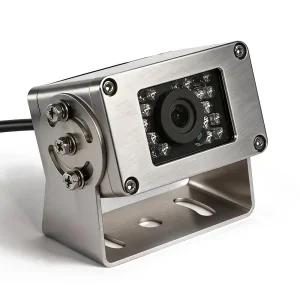
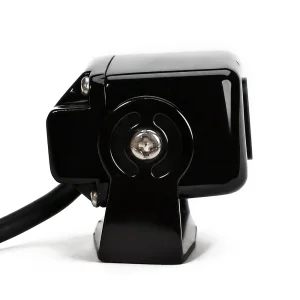
Commercial heavy-duty vehicles, unlike passenger cars that typically operate on 12V DC power grids, depend on robust 24V electrical architectures. Heavy-duty dump trucks, long-haul freight carriers, agricultural tractors, and construction vehicles operate in intense working conditions that generate significant electrical noise, voltage fluctuations, and transient spikes. During engine ignition or heavy hydraulic engagement, a truck’s power line can experience "load dumps" that send voltage surging well beyond the normal threshold—sometimes hitting spikes up to 80V or more. Consequently, standard 12V cameras cannot survive in these environments without immediate component breakdown or severe thermal damage.
Damps high-voltage surges during cold starts and dynamic power reallocation, preserving core optical components.
Machined aluminum and zinc alloy housings transfer heat efficiently, preventing sensor thermal noise.
Filters electromagnetic interference from high-power alternators, keeping image transmissions noise-free.
Furthermore, heavy-duty industrial vehicles rely on longer cable runs to transmit visual signals from the rear of trailers, or heavy machinery arms, directly to the driver’s cabin monitor. Over distances exceeding 15–20 meters, voltage drop becomes a significant challenge. A camera engineered natively for 24V, paired with high-quality AHD (Analog High Definition) technology, ensures that the signal does not degrade, delivering clear, low-latency, real-time footage to the cabin display.
China has established itself as the global epicenter for automotive security electronics manufacturing, especially for commercial vehicle backup cameras and monitoring arrays. This dominance is not just a result of lower labor costs; it is driven by a deep, highly integrated industrial cluster located primarily in the Guangdong and Zhejiang provinces. By sourcing from this specialized supply ecosystem, global buyers gain structural advantages that cannot be replicated elsewhere:
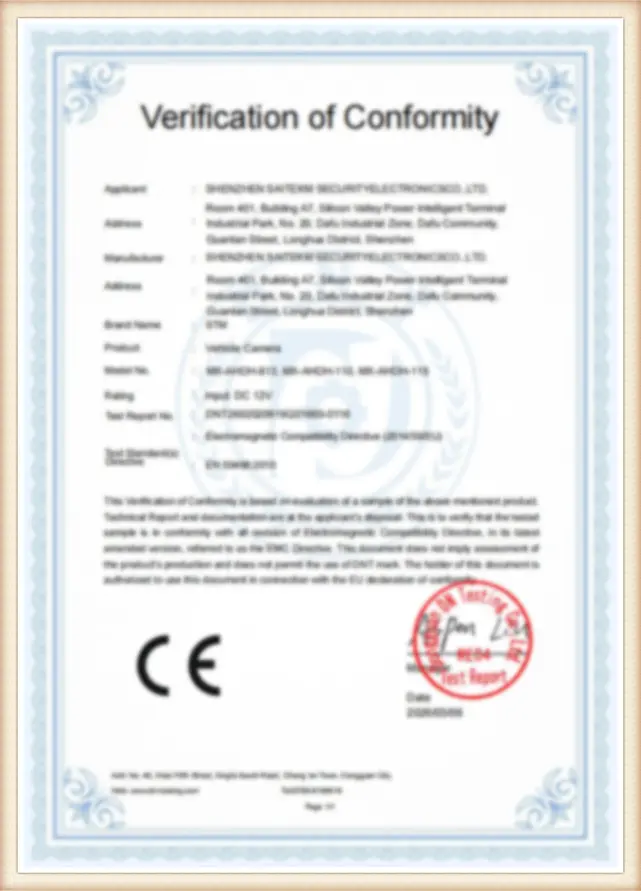
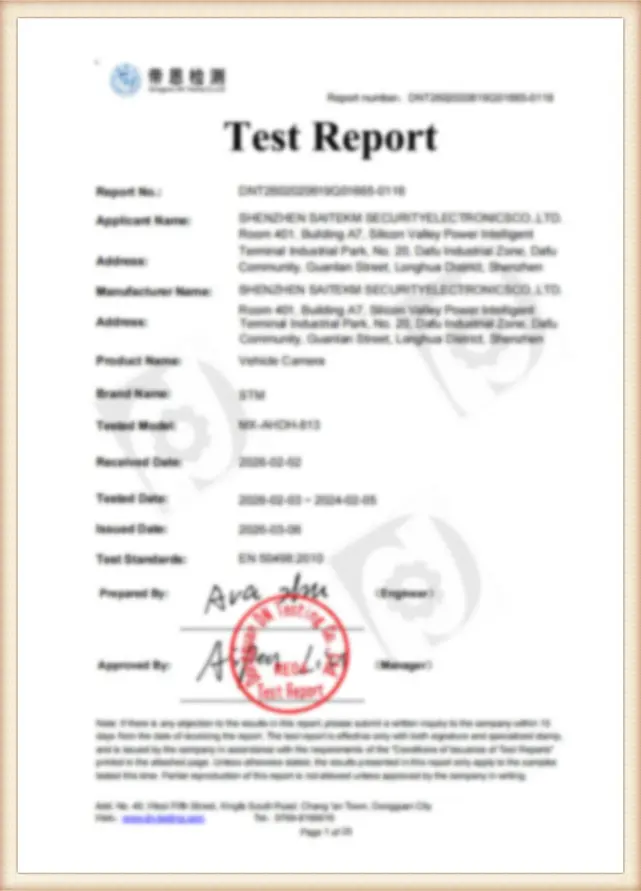
This concentrated supply chain infrastructure allows companies like Xiyue Electronic Information Technology Co., Ltd. to bridge the gap between premium product design and competitive pricing. Global distributors and logistics fleet managers can secure high-durability 24V camera solutions at a fraction of the cost of regional Western suppliers, while maintaining full compliance with CE, FCC, and RoHS directives.
Your strategic partner in commercial automotive security electronics and global distribution.
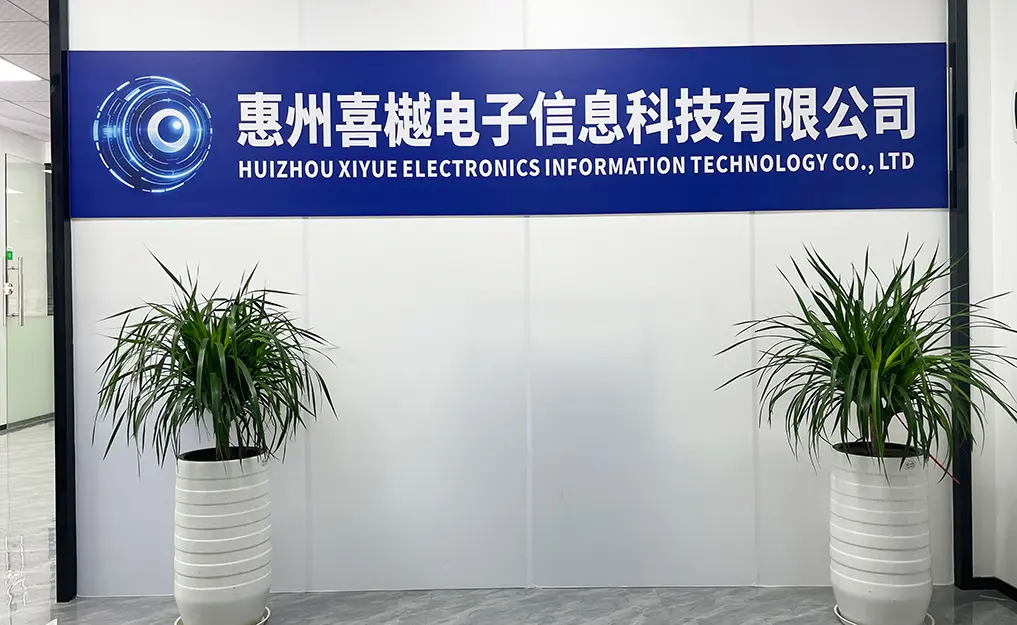
Xiyue Electronic Information Technology Co., Ltd. is a professional and reliable foreign trade enterprise focusing on global export of high-performance vehicle-mounted camera systems and full-series automotive electronic products. More than a mere product supplier, we serve as a long-term strategic procurement partner for global overseas buyers, focusing on simplifying cross-border procurement procedures and reducing overall purchasing costs for all clients.
We adhere to a one-stop comprehensive service mode, covering professional product recommendation, accurate quotation, OEM/neutral packaging customization, unified quality inspection, cross-border logistics and complete after-sales support. Our core mission is to provide worry-free, efficient and stable overall procurement solutions for global automotive electronics distributors, fleet companies and engineering equipment merchants.

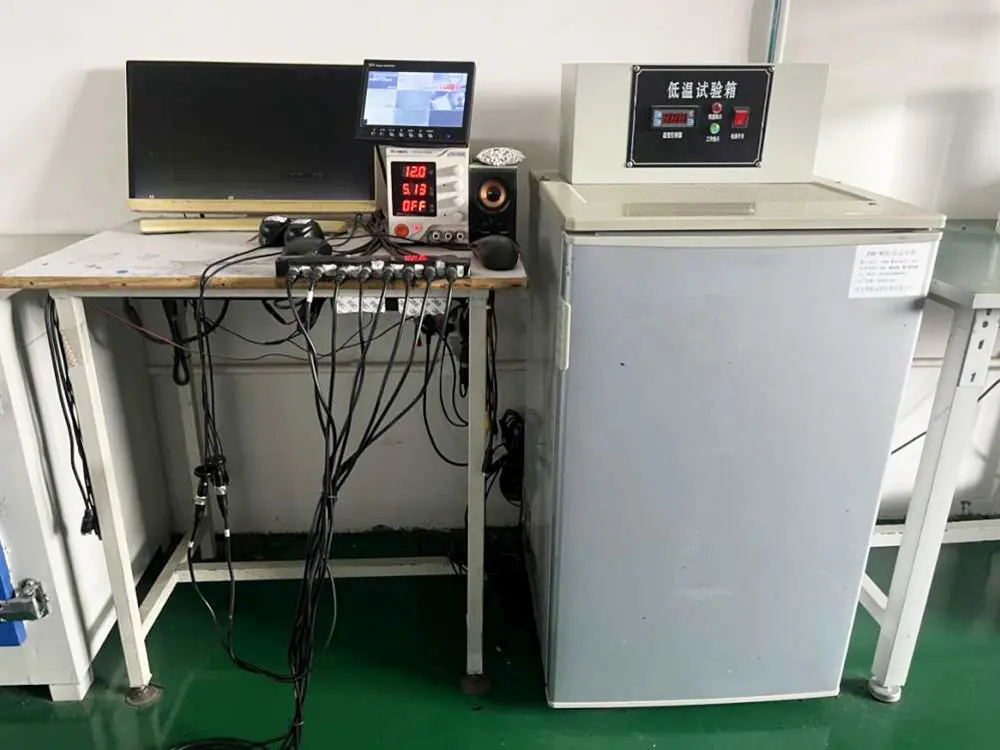
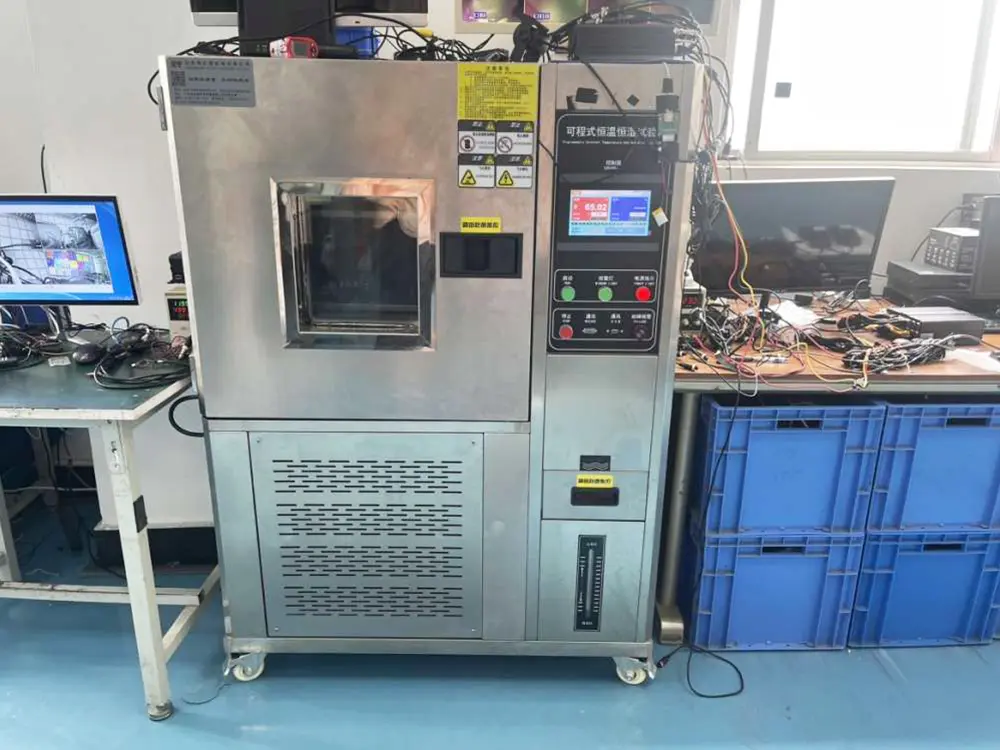

We develop and supply full-range automotive electronic safety products to improve driving safety and vehicle operation efficiency for passenger cars, commercial vehicles, engineering machinery and hazardous transport vehicles. Our complete product lineup covers:
The commercial transport camera industry is shifting from basic video capture to intelligent, multi-layered data integration. For fleet operations and system integrators, selecting a cost-effective 24V camera involves evaluating three key technology trends:
Traditionally, analog CVBS (Composite Video Baseband Signal) ruled commercial vehicles. However, with the rise of larger 7-inch, 9-inch, and 10.1-inch in-cab displays, CVBS images look blurry and pixelated. High-Definition AHD (ranging from 720P to 1080P) has emerged as the industry standard. AHD uses advanced Y/C signal separation and analog filtering, enabling high-definition video transmission over standard coaxial cable up to 500 meters without delay or frame loss. This delivers clear, low-latency, real-time footage to the cabin display.
Commercial trucks often operate through the night, driving on dark highways, mining sites, or unlit loading docks. Traditional infrared (IR) cameras rely on arrays of red-glowing LEDs, which attract bugs and cause light-reflection issues when mounted behind glass. Starlight night vision cameras use high-sensitivity back-illuminated sensors (like Sony Starvis) with large apertures (F1.2 or F1.5). These capture crisp, color-saturated footage in ultra-low light environments (down to 0.001 Lux) without relying on visible IR lights.
Modern commercial vehicle safety relies on active warning systems. Today's 24V truck cameras are not just visual capture tools; they often act as the primary sensors for Driver Monitoring Systems (DMS) and Advanced Driver Assistance Systems (ADAS). Integrated edge processors analyze frames in real time, detecting driver fatigue (yawning, micro-sleeping), distraction (mobile phone usage, smoking), lane departures, and blind-spot hazards. This provides immediate acoustic warnings to prevent accidents before they occur.
Supported by China's mature automotive electronics industrial cluster resources, we build a strict upstream manufacturer screening system.
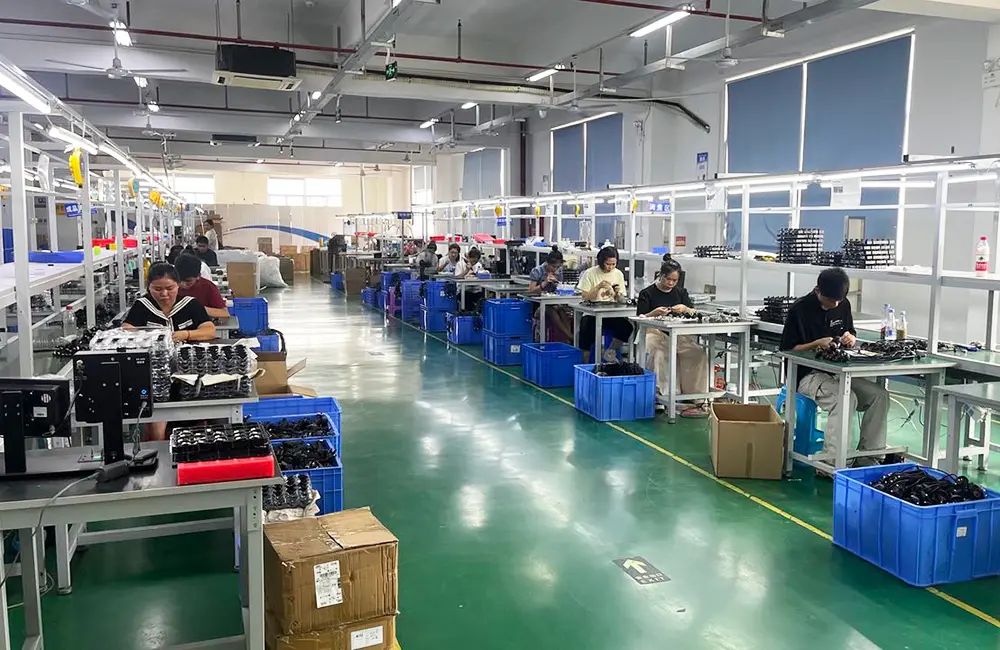
All cooperative factories pass unified quality compliance audits, ensuring stable mass production capacity and punctual delivery. We integrate supply chain resources to provide flexible and efficient foreign trade services for global customers.
Support in-stock quick delivery orders and customized agent procurement orders to align with dynamic inventory demands.
24-hour online support, fast and precise official quotation with detailed parameter sheets and pinout wiring diagrams.
Provide neutral white box packaging, logo printing, customized cable lengths, connector types, and exclusive OEM firmware options.
Accept small-batch trial orders and large-batch bulk orders, with short production lead times and stable replenishment channels.
Integrated logistics arrangements, customs clearance assistance, duty optimization advice, and full-cycle after-sales tracking.
A camera system's value is defined by its real-world performance. 24V camera solutions must be designed to withstand the distinct mechanical and environmental hazards of their specific applications:
Operate in high-vibration, high-dust environments. System requirements include IP69K ingress protection to withstand high-pressure hot-water cleaning, 10G structural vibration resistance, and cast aluminum shells to resist stone strikes and mechanical damage.
Safety is the primary concern for tankers transporting hazardous chemicals. These systems require intrinsically safe explosion-proof cameras housed in thick, spark-resistant casing (Exd II CT6 compliant) to isolate all electrical activity from combustible gases.
Cold chain vehicles face rapid temperature changes when moving between freezing loading docks and ambient temperatures. This causes internal fogging on camera lenses. The solution is integrated automatic heating circuits that activate below 5°C to keep the lens clear.
Beyond individual vehicles, large fleet operators require integrated visibility systems. 24V cameras connect directly to central MDVR (Mobile Digital Video Recorder) units equipped with 4G/5G and GPS modules. This allows operations centers to stream live video, track fleet coordinates, and receive automatic event alerts (e.g., hard braking, fatigue warnings). Integrating camera networks with telematics software improves safety compliance and reduces liability costs.
Procuring commercial automotive electronics at scale requires balancing cost, quality, and supply chain reliability. For procurement managers, optimizing these metrics is key to a high return on investment:
By establishing direct partnerships with qualified Chinese manufacturers, enterprise buyers can negotiate tiered pricing based on annual order forecasts. This approach allows companies to secure competitive pricing while maintaining the quality standards required for commercial operations.
Expert answers to the most common questions regarding 24v commercial vehicle camera sourcing.
Commercial vehicles operate on a nominal 24V system, but actual voltages fluctuate significantly. During engine cranking, battery charging, or when high-current accessories (like hydraulic lifts) are engaged, voltage can swing between 9V and over 36V, with transient spikes occasionally exceeding 80V. A standard 12V camera lacks the built-in step-down regulators and transient voltage suppressors (TVS) needed to handle these surges, which leads to overheating, component degradation, and eventual failure.
AHD (Analog High Definition) transmits uncompressed high-definition video over standard coaxial cabling with zero latency. This makes it ideal for real-time driver monitoring and reversing. IP (Internet Protocol) digital cameras encode video at the camera source and transmit it via Ethernet. IP cameras support higher resolutions and easier integration with local network systems, but they introduce slight latency and carry higher hardware costs. For most heavy-duty fleets, AHD provides the best balance of cost-effectiveness, ruggedness, and zero-latency performance.
The key standard is IP69K (Ingress Protection). While IP67 and IP68 certify protection against dust and temporary water immersion, IP69K certifies that the camera can withstand high-pressure (up to 100 bar) and high-temperature (up to 80°C) washdowns. This is critical for dump trucks, concrete mixers, and waste management vehicles that require regular jet washing to remove debris.
Cost efficiency is achieved through industrial clustering. Raw materials, chipsets, optical lenses, and enclosure molds are sourced within a concentrated local supply chain. This minimizes shipping costs, simplifies components sourcing, and reduces R&D turnaround times. Additionally, high-volume automated SMT production lines lower assembly costs per unit, allowing factories to maintain competitive pricing while using high-quality components like Sony sensors and Nextchip ISPs.
For standard in-stock inventory, orders can often ship within 3 to 7 working days. For custom OEM orders (with custom cable configurations, housing colors, or logo branding), the typical minimum order quantity (MOQ) ranges from 100 to 500 units, with a production lead time of 15 to 25 days depending on the customization requirements. ODM projects involving new housing molds generally require longer timelines for tooling design and validation.
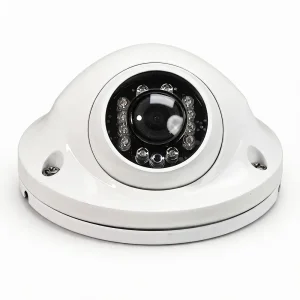
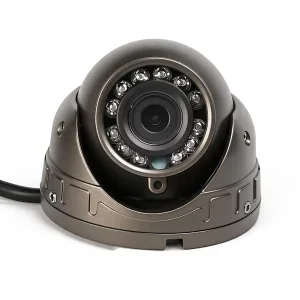
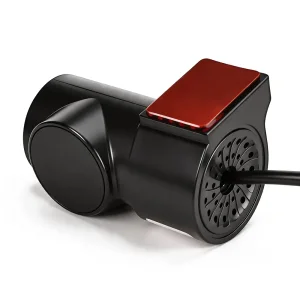
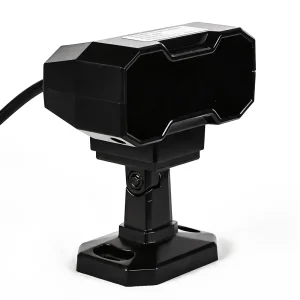
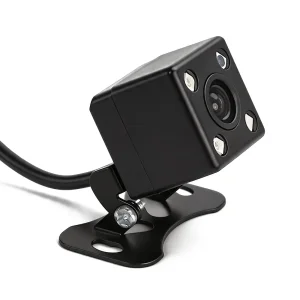
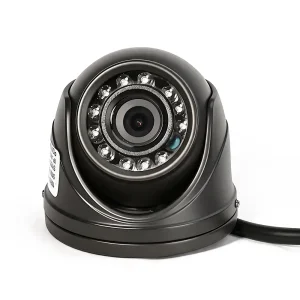
Explore our extended range of high-durability cameras for specialized transport applications.
 Xiyue Electronics