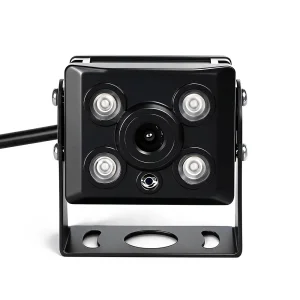
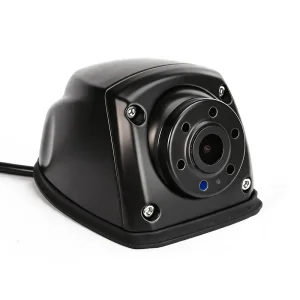
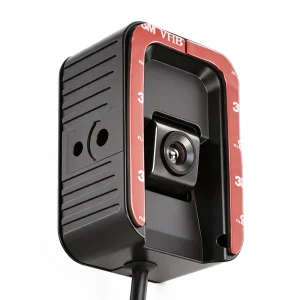
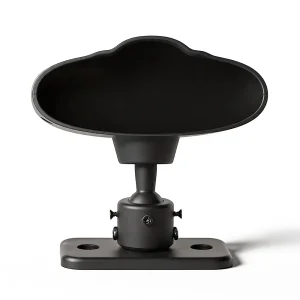
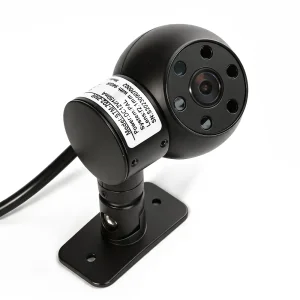
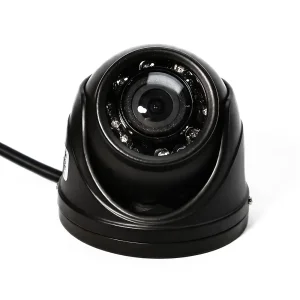
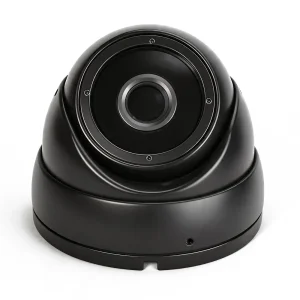
Explore our initial selection of commercial starlight cameras, featuring vehicle-mounted AHD options, DMS fatigue tracking interfaces, and certified explosion-proof hardware.
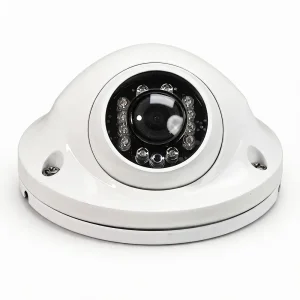
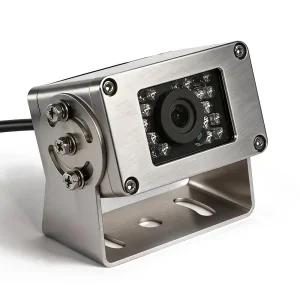
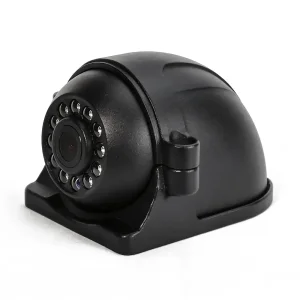
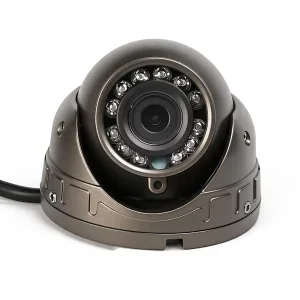
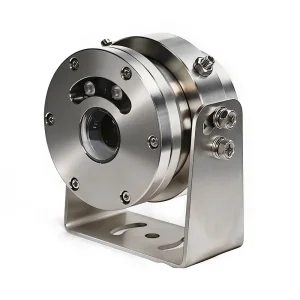
In industrial transit, commercial logistics, and hazardous operations, optical visibility during night shifts or dark ambient conditions determines system-wide safety thresholds. Standard image sensors rely heavily on ambient photons to produce sharp images. However, when illuminance drops below 0.1 Lux, standard security sensors generate heavy noise, losing image details that are critical for modern ADAS (Advanced Driver Assistance Systems) algorithms.
Our Starlight Low Light Cameras address this limitation by pairing ultra-sensitive CMOS back-illuminated sensors with large aperture lens assemblies (typically F1.2 to F1.6). By reversing the photodiode wiring structure, back-illuminated sensors capture photons directly without metal wiring obstruction, raising the quantum efficiency to over 80%. This is accompanied by hardware-based 3D Dynamic Noise Reduction (DNR) and wide dynamic range (WDR) processing to maintain clear color video long after standard systems have switched to black-and-white infrared modes.
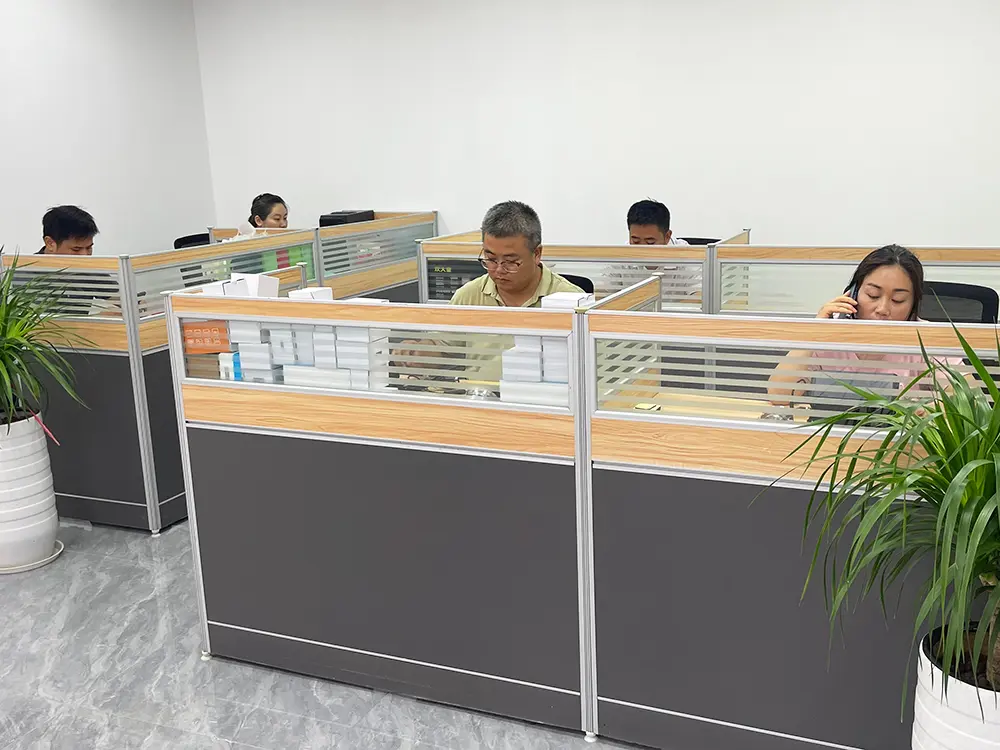
The international demand for high-performance low-light surveillance continues to surge across sectors like cargo logistics, heavy mining, marine transport, and municipal transit. Fleet operators are transitioning from passive safety systems to predictive active safety systems, necessitating 24/7 high-fidelity monitoring. With new legislation in Europe and North America mandating Driver Monitoring Systems (DMS) and blind-spot detection for medium to heavy commercial vehicles, high-sensitivity imaging is no longer optional; it is a critical regulatory standard.
Our manufacturing cluster in China offers a unique supply chain advantage, integrating localized raw materials, high-precision lens manufacturing, specialized optical sensors, and advanced surface mount technology (SMT) under one ecosystem. We leverage this structure to deliver advanced optoelectronic technologies at highly competitive price points.
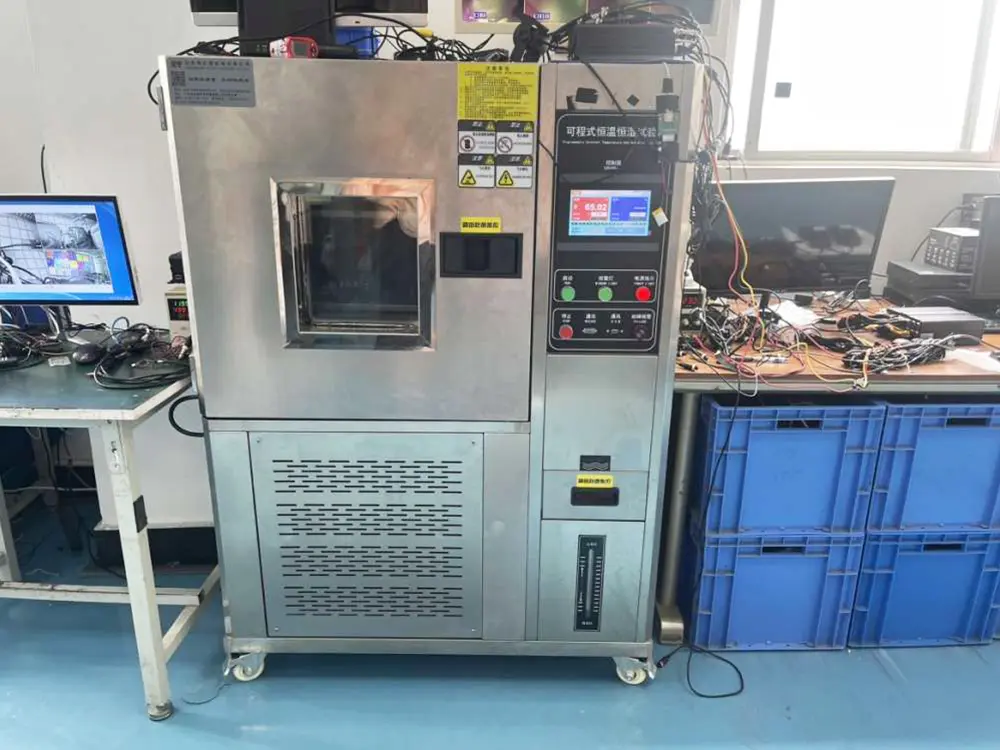
Every batch of starlight and infrared cameras undergo automated darkroom testing to verify low-lux threshold capabilities. Integrated optical alignment jigs calibrate focal points to prevent drift across temperature extremes (from -40°C up to +85°C). This system allows us to support both large-scale fleet deployments and custom OEM/ODM configurations, matching strict international quality regulations without inflating capital expenditure.
Xiyue Electronic Information Technology Co., Ltd. is a professional and reliable foreign trade enterprise focusing on global export of high-performance vehicle-mounted camera systems and full-series automotive electronic products. More than a mere product supplier, we serve as a long-term strategic procurement partner for global overseas buyers, focusing on simplifying cross-border procurement procedures and reducing overall purchasing costs for all clients.
We adhere to a one-stop comprehensive service mode, covering professional product recommendation, accurate quotation, OEM/neutral packaging customization, unified quality inspection, cross-border logistics and complete after-sales support. Our core mission is to provide worry-free, efficient and stable overall procurement solutions for global automotive electronics distributors, fleet companies and engineering equipment merchants.
We develop and supply full-range automotive electronic safety products to improve driving safety and vehicle operation efficiency for passenger cars, commercial vehicles, engineering machinery and hazardous transport vehicles. Our complete product lineup covers:
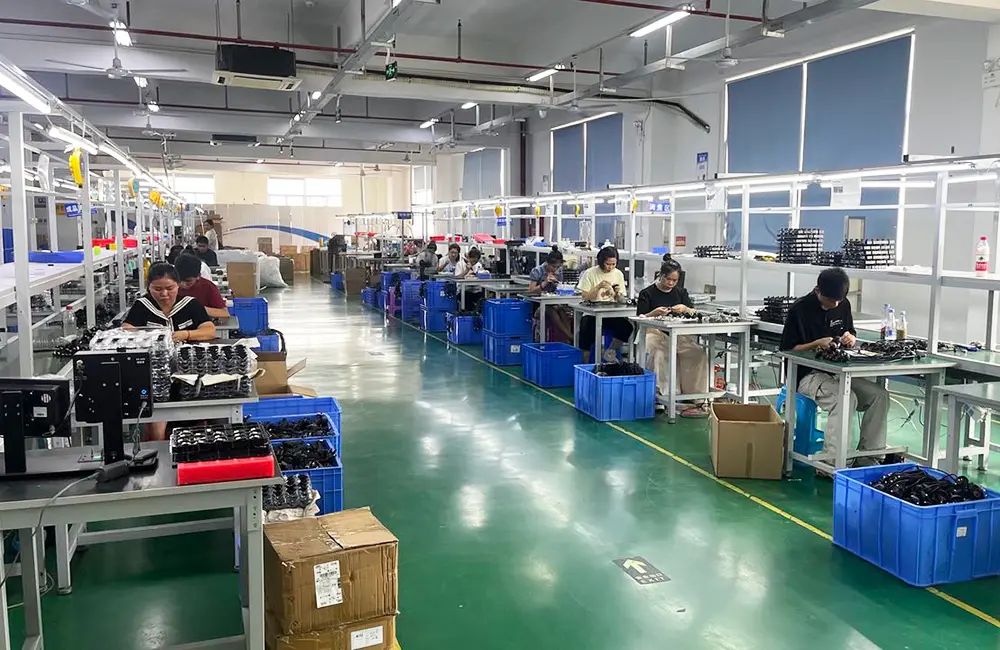
Supported by China’s mature automotive electronics industrial cluster resources, we build a strict upstream manufacturer screening system. All cooperative factories pass unified quality compliance audits, ensuring stable mass production capacity and punctual delivery. We integrate supply chain resources to provide flexible and efficient foreign trade services:
We hold international quality assurance certifications verifying our hardware reliability under severe industrial stress, extreme moisture exposure, thermal cycling, and high impact environments.
Low-light surveillance solutions must adapt to varying regional environments, commercial sectors, and structural constraints. Below are the primary deployment profiles engineered by our R&D group:
Excavators and dump trucks operate in lightless pits filled with particulate dust. Standard cameras relying on active IR illuminate the dust particles, blinding the sensor. Our high-lux starlight imaging registers raw ambient illumination, providing clear structural outlines without retroreflective glare.
Transporting combustible fluids demands high-level explosion-proof casings. Our explosion-proof camera series features robust alloy enclosures designed to isolate internal electrical sparks from the external atmosphere, satisfying ATEX/IECEx standards.
Urban fleets require simultaneous monitoring of blind spots, passenger cabins, and driver attentiveness. Integrating DMS and ADAS engines allows transit control to detect driver drowsiness and capture road telemetry in real time under changing light conditions.
When sourcing low-light surveillance cameras, procurement officers face challenges beyond initial price considerations. System integration cost, component longevity, warranty support, and installation complexity comprise the true Total Cost of Ownership (TCO).
Working with a direct manufacturer allows distributors to circumvent intermediate markups while ensuring direct configuration support. Selecting backward-compatible AHD camera layouts enables fleet operators to reuse existing coaxial cabling networks, avoiding the high labor costs associated with rewiring vehicles. Additionally, pre-calibrated lenses reduce setup times and field troubleshooting, protecting operational margins.
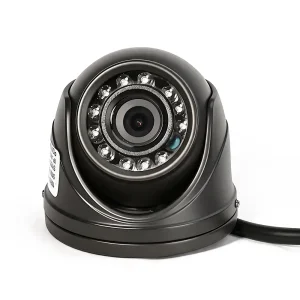
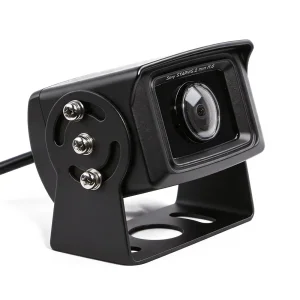
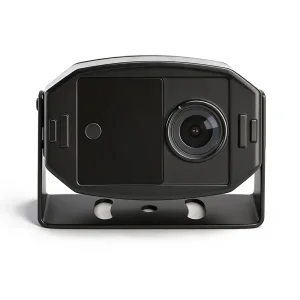
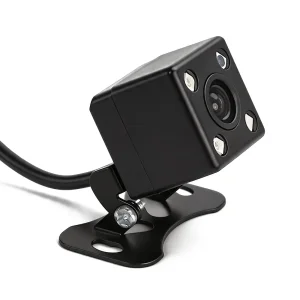
Examine our technical range of backup lenses, interior domes, wide-angle cabin modules, and USB interface cameras below.
Review answers to common technical queries and integration questions received from global systems integrators, logistics buyers, and procurement specialists.
A true starlight camera operates effectively at lux ratings below 0.01 Lux without resorting to active infrared (IR) illumination. It achieves this performance by utilizing physical back-illuminated image sensors, larger aperture lenses (typically F1.2 or F1.4), and localized ISP image algorithms. These algorithms reduce high-frequency noise while preserving color details that standard cameras lose when converting to IR grayscale.
AHD (Analog High Definition) sends uncompressed 1080P signals over standard coaxial cabling with virtually zero latency. Unlike IP systems, which packetize and compress video feeds (introducing fractional delays), AHD provides real-time video transmission. This latency reduction is crucial for safety-critical systems like DMS fatigue tracking, blind-spot alerts, and backing assist cameras on commercial fleets.
We maintain a multi-tier quality control protocol: raw materials undergo QA validation, SMT components are scanned using Automated Optical Inspection (AOI), and finished assemblies are subjected to temperature cycling, waterproof pressure testing, and vibration testing. We provide detailed parameters, factory certifications (such as CE, FCC, RoHS), and optional third-party testing reports before shipping to prevent regional compliance issues.
Yes. We offer comprehensive customization options, including firmware modifications for MDVR integrations, screen logos, private molds, neutral white-box packaging, custom wire harness lengths, and specialized connectors (such as 4-pin aviation plugs or RCA interfaces). Our team handles technical configurations to ensure seamless integration with your existing fleet management hardware.
 Xiyue Electronics