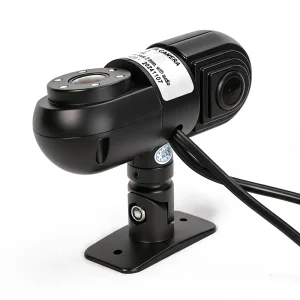
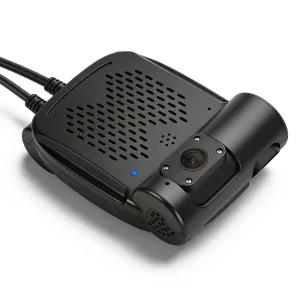
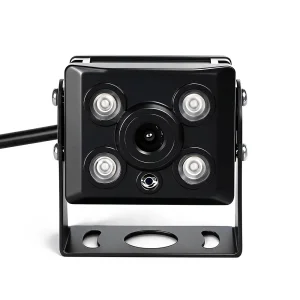
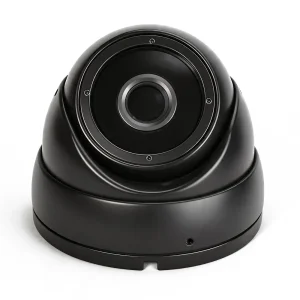
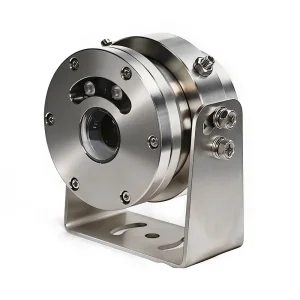
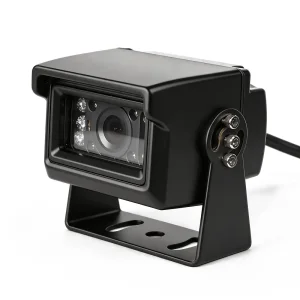
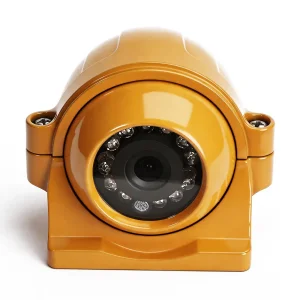
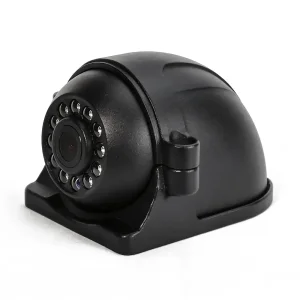
Explore our selection of field-proven side monitoring, driver status analysis, and cabin environment camera components. Designed for public transport, heavy-duty commercial fleets, and industrial safety compliance.
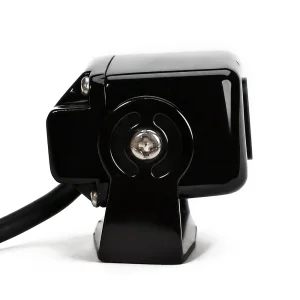
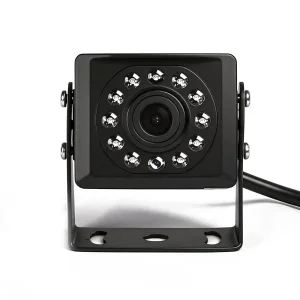
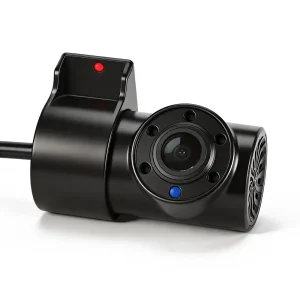
In the modernization of global municipal transport networks, the integration of advanced optoelectronic safety systems has shifted from an optional upgrade to a strict regulatory mandate. Modern transit vehicles demand high-definition, low-latency, and highly ruggedized vision solutions to mitigate side-blind zone accidents, reduce pedestrian collisions, and lower insurance premiums. Selecting the right OEM City Bus Side Camera Vendor requires a comprehensive understanding of optoelectronic specifications, automotive environmental standards, and cross-border regulatory frameworks.
Unlike standard commercial vehicles, city buses navigate unique operational environments requiring specialized side camera architectures. Below are critical localized scenarios where custom OEM configurations are essential:
In metropolitan centers, buses must execute tight turns across busy bike paths. Side-mounted cameras equipped with ultra-wide-angle lenses (up to 150° to 170° horizontal field of view) provide continuous feeds of blind spots. Integrated AI edge units parse this visual feed to trigger real-time ADAS warnings for vulnerable road users (VRUs).
Transit fleets in regions prone to heavy rainfall, snow, or extreme temperature swings require side cameras with built-in thermal heating elements. These elements prevent lens frosting and fogging. An IP67 or IP69K waterproof rating, along with hermetic sealing, prevents moisture intrusion during high-pressure washdowns.
When parking close together in narrow depot lanes at night, visibility is a safety challenge. Starlight night vision sensors capture high-contrast, low-noise imagery down to 0.001 Lux without requiring high-power infrared illuminators, which can cause glare on wet pavement.
The commercial transport vision sector is moving toward integrated intelligent safety systems. As OEM camera manufacturers, we are aligning our hardware designs with three major developments:
Mirrorless buses, governed by standards like ISO 16505 and UNECE R46, are replacing glass mirrors with external side cameras paired with internal A-pillar displays. This upgrade reduces aerodynamic drag, eliminates mirror vibration, and provides clear visibility during nighttime and rain.
The next generation of side cameras goes beyond capturing video; they analyze it. Integrating 2-4 TOPS NPUs directly into the camera housing allows for real-time distance mapping and object classification right at the sensor level, minimizing latency in critical safety alerts.
The industry is transitioning from legacy CVBS and standard AHD to digital high-speed links like FPD-Link III, GMSL2, and Automotive Ethernet. This allows for uncompressed, zero-latency 1080P and 4K video feeds, which are essential for centralized autonomous driving computers.
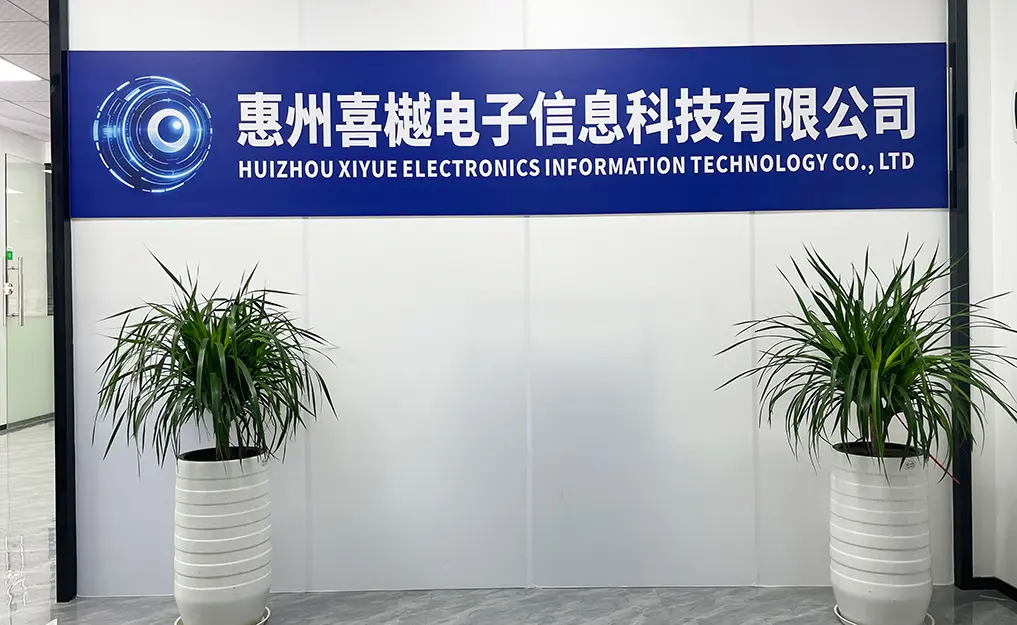
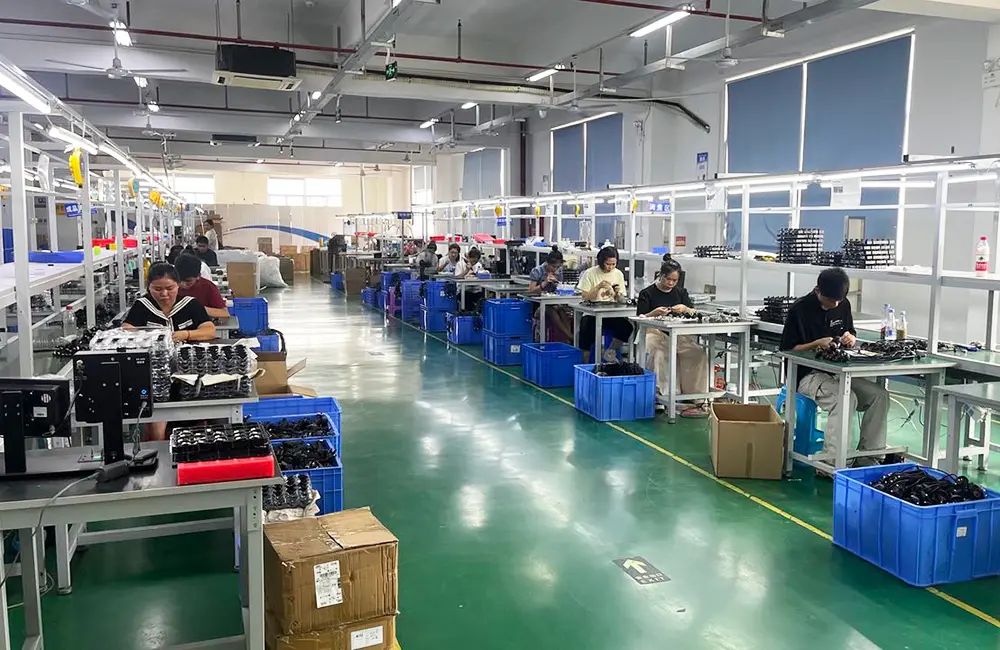
Chinese manufacturers offer clear advantages in the automotive electronics market, driven by advanced supply chain ecosystems and large-scale production capabilities. Xiyue Electronic Information Technology Co., Ltd. leverages these regional manufacturing strengths to supply high-performance, cost-effective vision systems to global partners.
Our facilities in China's tech-manufacturing hubs provide direct access to leading optoelectronic suppliers, sensor developers (such as Sony and Omnivision), and high-precision lens producers. This concentration reduces raw-material transit times and lowers overall production costs.
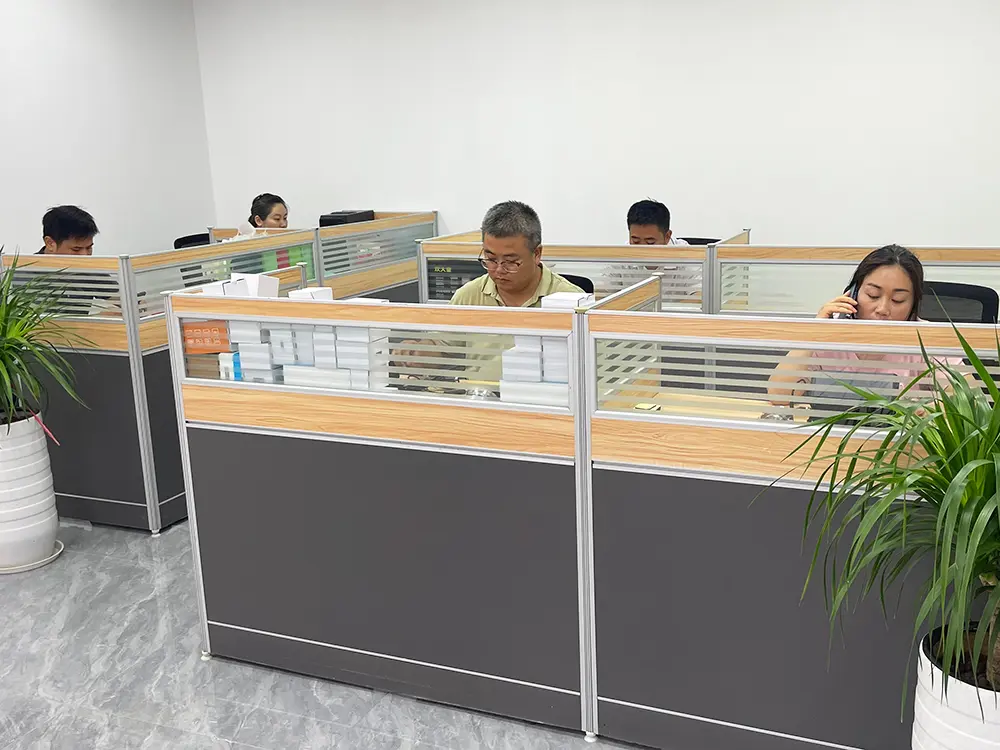
Automotive safety equipment requires high reliability. Our production partners implement testing protocols that match or exceed international transit standards. Each camera batch undergoes automated environmental screening to verify durability under demanding real-world conditions.
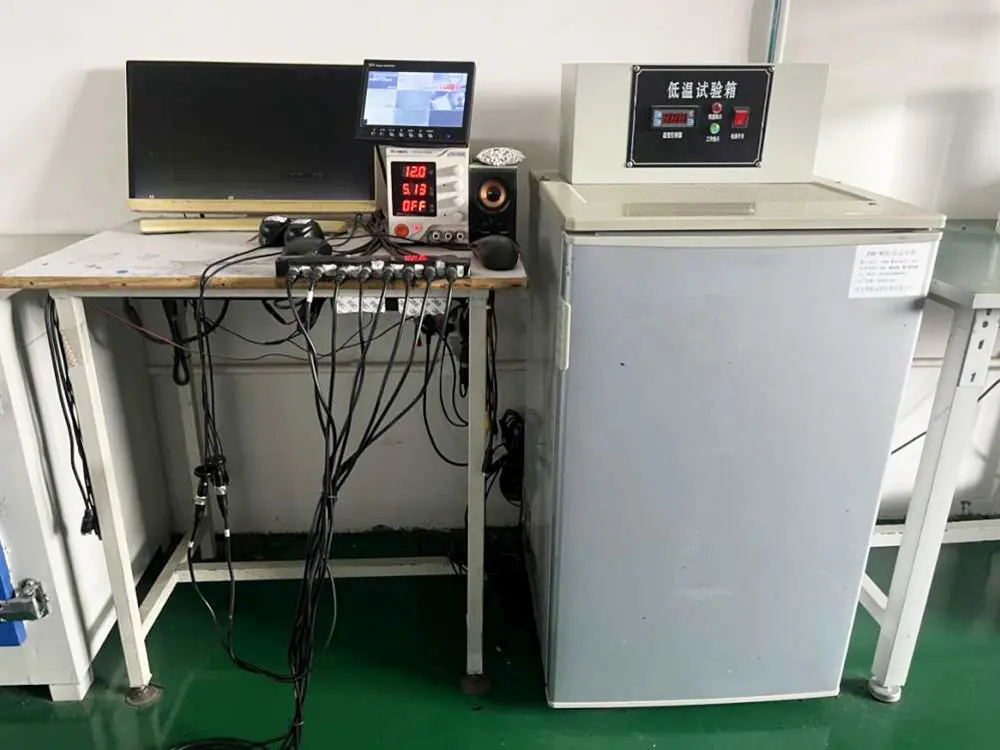
We operate as a long-term strategic procurement partner, simplifying cross-border operations and lowering total purchasing costs for distributors, fleet operators, and system integrators worldwide.
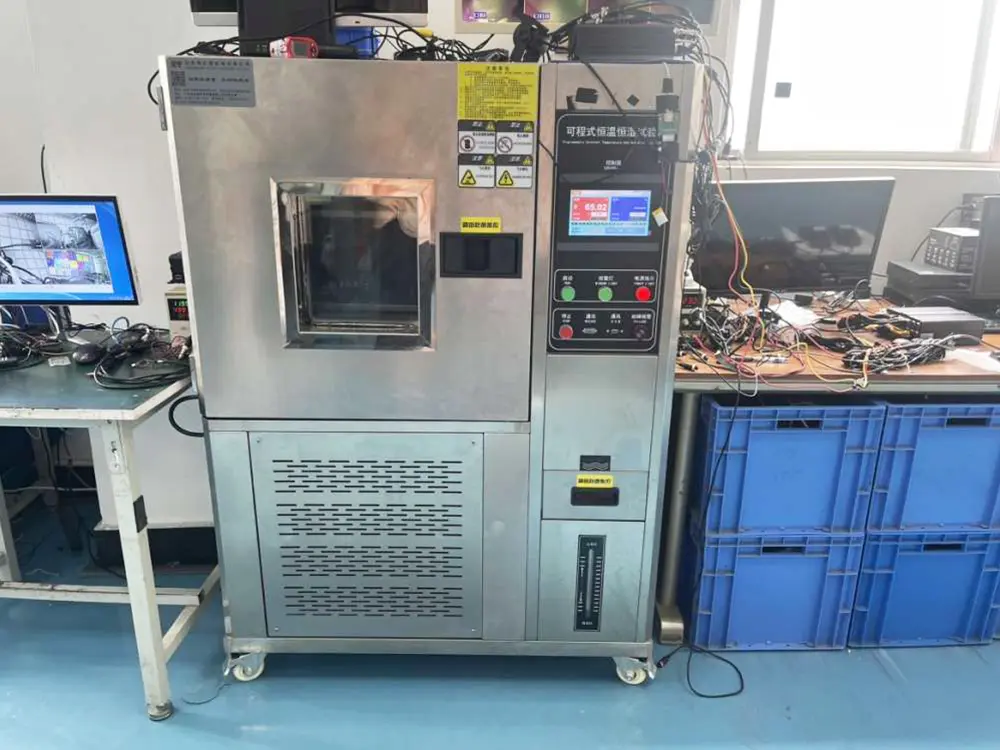
Our products are manufactured in compliance with international automotive standards. We maintain certificates ensuring smooth customs entry, local safety compliance, and legal deployment in public municipal fleets.

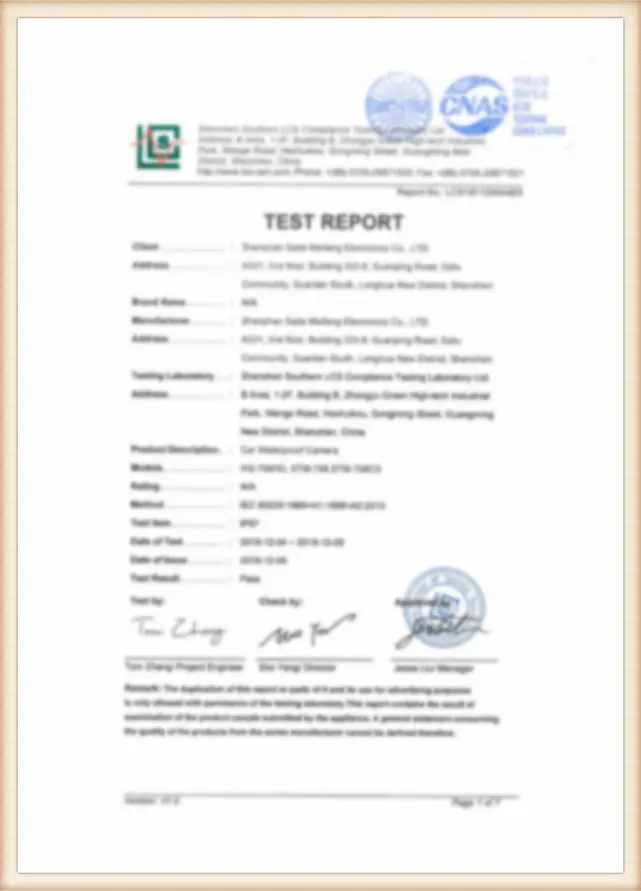
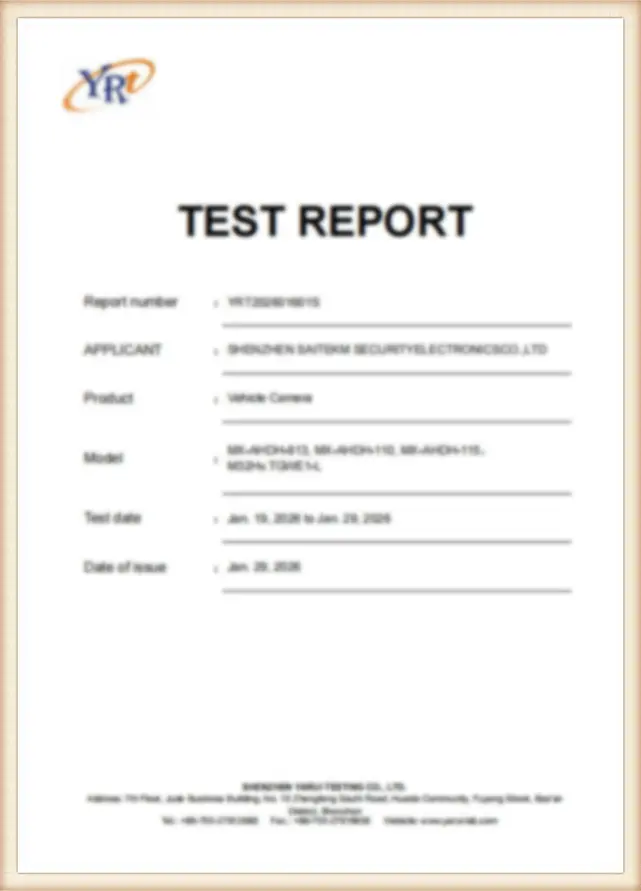
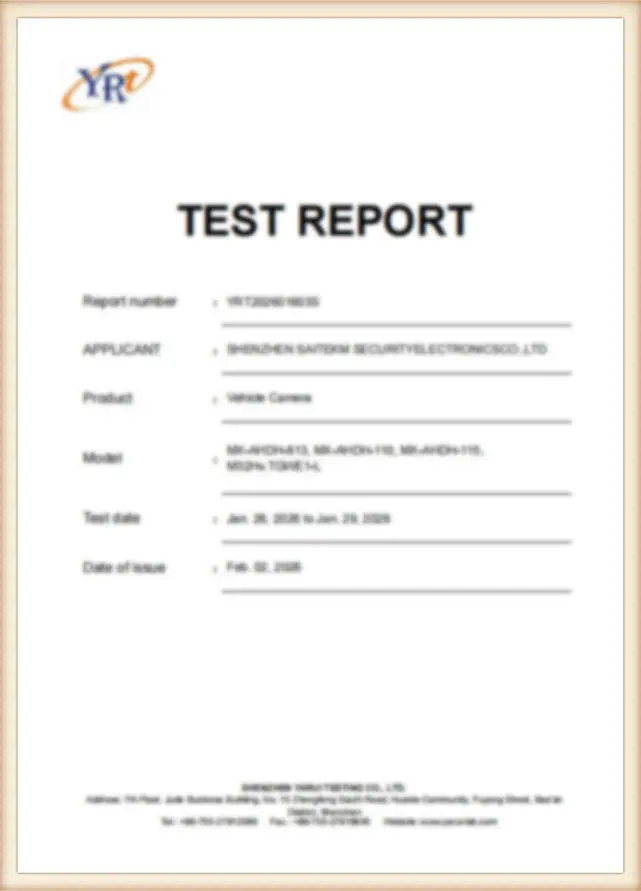
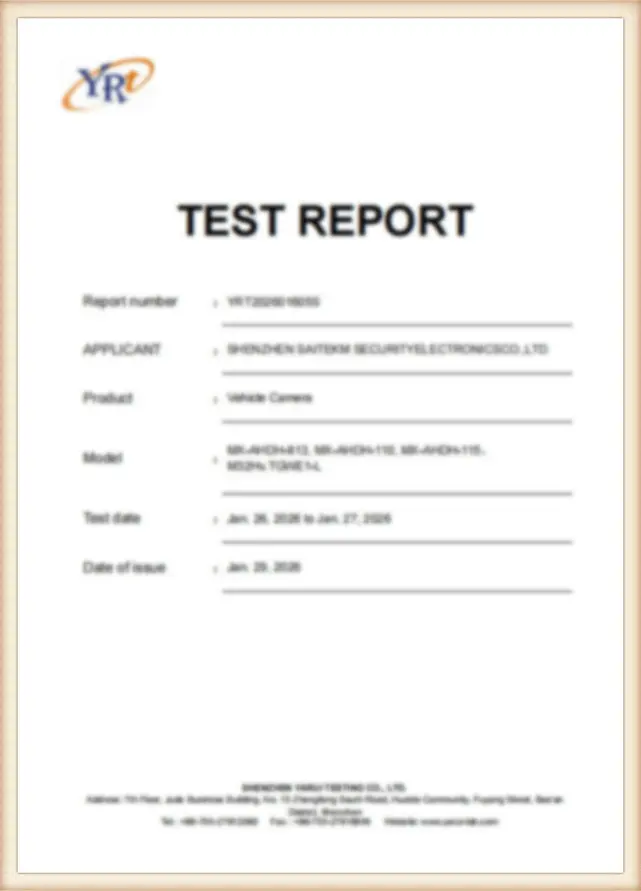
We bridge the gap between complex engineering factories in China and commercial operations worldwide. Our professional services are designed to simplify procurement and lower supply chain risks.
We offer both standard stock dispatch for fast-turnaround projects and full OEM/ODM agency customization for large-scale municipal tenders.
Our engineering team provides comprehensive parameter sheets, CAD drawings, and pricing options within 24 hours of receiving your RFQ.
We provide customized options, including neutral white-box packaging, custom logo printing, and specialized firmware adjustments (such as boot logos and OSD guides).
We support small trial batches for field validation, as well as full container quantities for major bus fleets, keeping production lead times optimized.
Our team manages the entire process from consolidated warehouse inspections to shipping documents and custom clearance support.
Review our detailed answers to common inquiries from fleet system integrators, municipal buyers, and global commercial trade distributors.
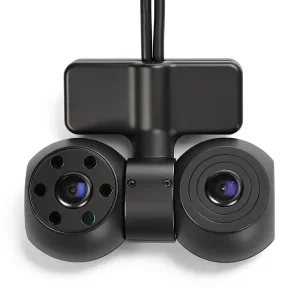
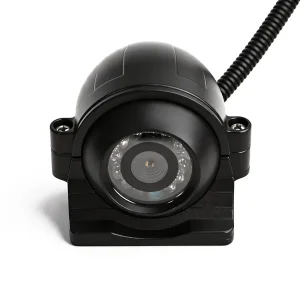
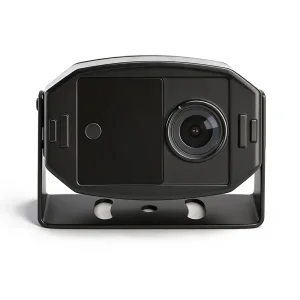
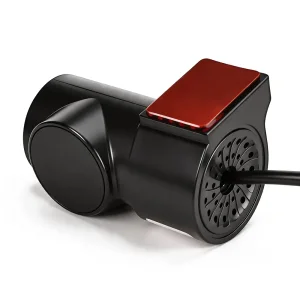
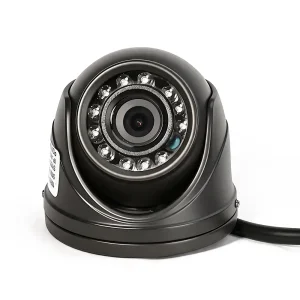
Browse our range of specialized internal cameras, driver behavior sensors, and ruggedized outdoor components designed for public transport fleets.
 Xiyue Electronics