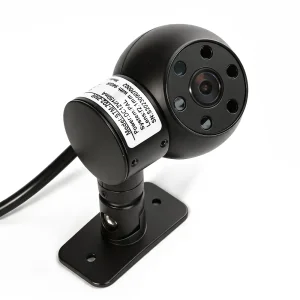
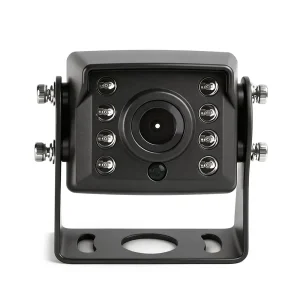
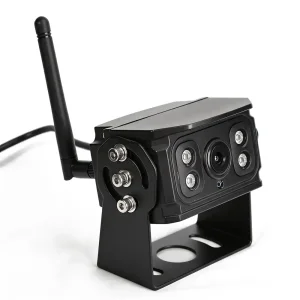
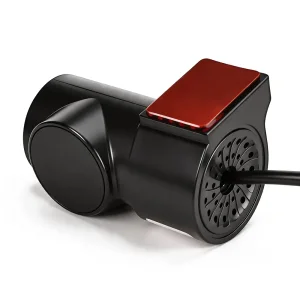
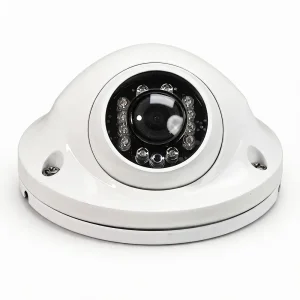
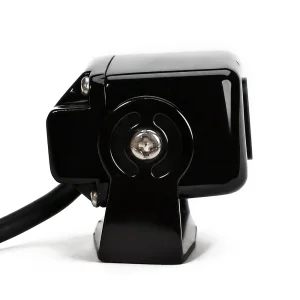
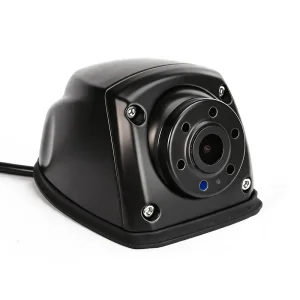
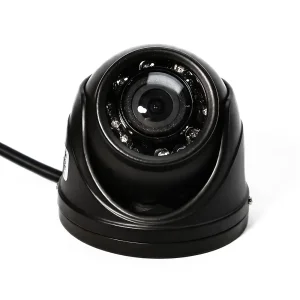
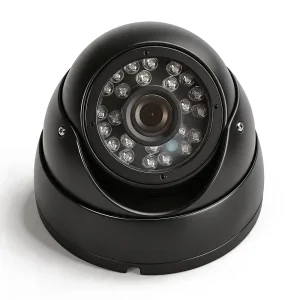
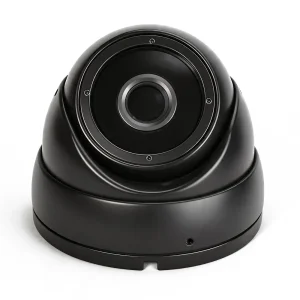
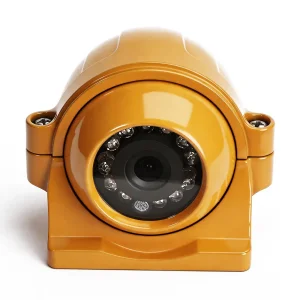
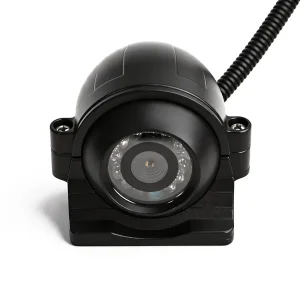
Direct from factory sourcing with premium hardware modules, certified durability, and global compliance.
In the modern era of industrial automation, construction sites are shifting from purely mechanical operations to intelligent, data-driven ecosystems. The integration of high-definition camera systems on heavy excavation machinery is no longer a luxury but an operational mandate. Excavators, characterized by large blind zones, complex rotational trajectories, and constant movement in proximity to ground personnel, present the highest risk profiles on any site.
The industry is witnessing a significant shift from traditional analog (CVBS) backup systems to multi-angle digital AHD (Analog High Definition) and IP-networked camera matrices. These advanced setups provide operators with panoramic awareness, incorporating AI-driven computer vision algorithms to differentiate between structural obstacles and human workers. By applying real-time deep learning to raw video streams, these camera modules actively reduce accidents and simplify daily workflows.
Statistical data indicates that implementing full-perimeter coverage (360-degree cameras combined with ADAS sensors) reduces site accidents by up to 74%. This integration directly lowers corporate insurance premiums and minimizes machinery downtime.
How fleet managers, OEM assembly plants, and global electronics distributors mitigate supply chain volatility.
Successful procurement teams look beyond unit costs. Sourcing cameras with high MTBF (Mean Time Between Failures) reduces maintenance cycles, replacement shipping costs, and machine down-time, resulting in long-term savings.
Different equipment models require unique mounting profiles, connector types (such as 4-pin aviation plugs or M12 interfaces), and firmware settings. Partnering with suppliers that offer customized software and housing designs is essential.
Delayed deliveries can stall critical assembly or retrofitting schedules. Partnering with vendors that maintain consistent stock of base assemblies simplifies scaling operations and ensures timely project completion.
Heavy excavation sites present demanding environments for consumer-grade electronics. High-vibration diesel powerplants, hydraulic shock cycles, mud spray, high-pressure jet washing, and extreme thermal swings require cameras built with robust mechanical and electrical designs.
Standard IP67 enclosures are insufficient for heavy machinery exposed to high-pressure cleaning. System casings must feature double-groove vulcanized silicone seals and precision CNC-milled aluminum or zinc alloy shells. This ensures dust exclusion and prevents water ingress under high-pressure cleaning conditions (up to 100 bar at 80°C).
Excavators generate low-frequency vibration waves that can degrade standard solder joints and stress optical focus mounts. Industrial-grade cameras utilize epoxy-potted internal PCBs, reinforced lens brackets, and multi-point shock-absorption mounting plates. These systems are tested to meet ISO 16750-3 vibration standards, guaranteeing long-term operation under structural stress.
Xiyue Electronic Information Technology Co., Ltd. is a professional and reliable foreign trade enterprise focusing on global export of high-performance vehicle-mounted camera systems and full-series automotive electronic products. More than a mere product supplier, we serve as a long-term strategic procurement partner for global overseas buyers, focusing on simplifying cross-border procurement procedures and reducing overall purchasing costs for all clients.
We adhere to a one-stop comprehensive service mode, covering professional product recommendation, accurate quotation, OEM/neutral packaging customization, unified quality inspection, cross-border logistics and complete after-sales support. Our core mission is to provide worry-free, efficient and stable overall procurement solutions for global automotive electronics distributors, fleet companies and engineering equipment merchants.


We develop and supply full-range automotive electronic safety products to improve driving safety and vehicle operation efficiency for passenger cars, commercial vehicles, engineering machinery and hazardous transport vehicles. Our complete product lineup covers:
Supported by China's mature automotive electronics industrial cluster resources, we build a strict upstream manufacturer screening system. All cooperative factories pass unified quality compliance audits, with stable mass production capacity and punctual delivery capability.
Support in-stock quick delivery orders and customized agent procurement orders.
24-hour online support, fast and precise official quotation with detailed parameter sheets.
Provide neutral white box packaging, logo printing, exclusive OEM software and hardware customization.
Accept small-batch trial orders and large-batch bulk orders, with short production lead times.
Integrated logistics arrangement, customs clearance assistance and full-cycle after-sales tracking.
We balance high product cost-performance and a flexible service mechanism, helping global customers avoid supply chain risks and realize stable and worry-free long-term procurement.
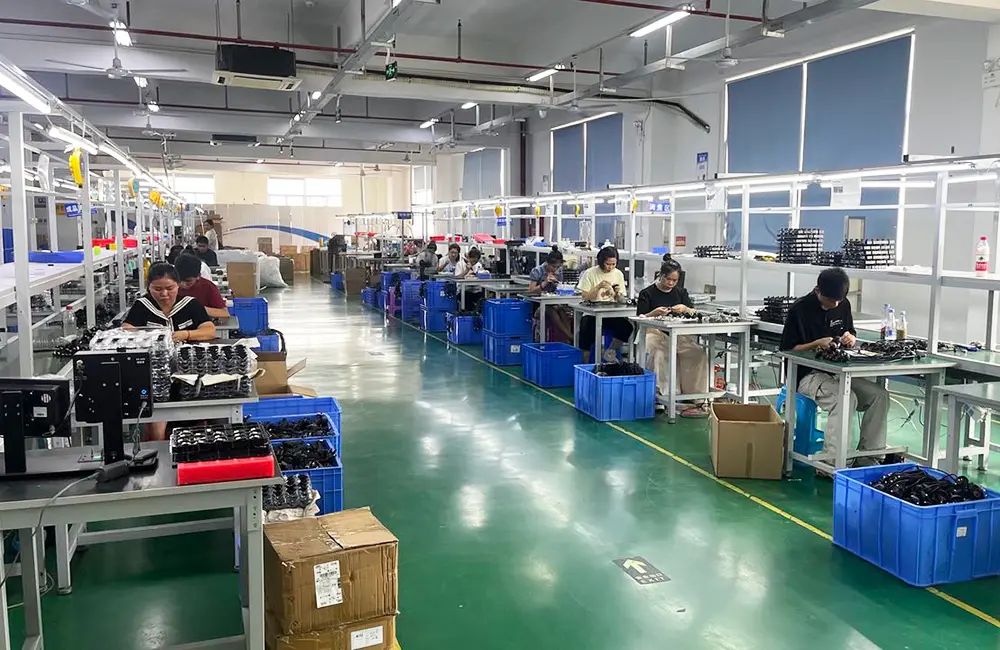
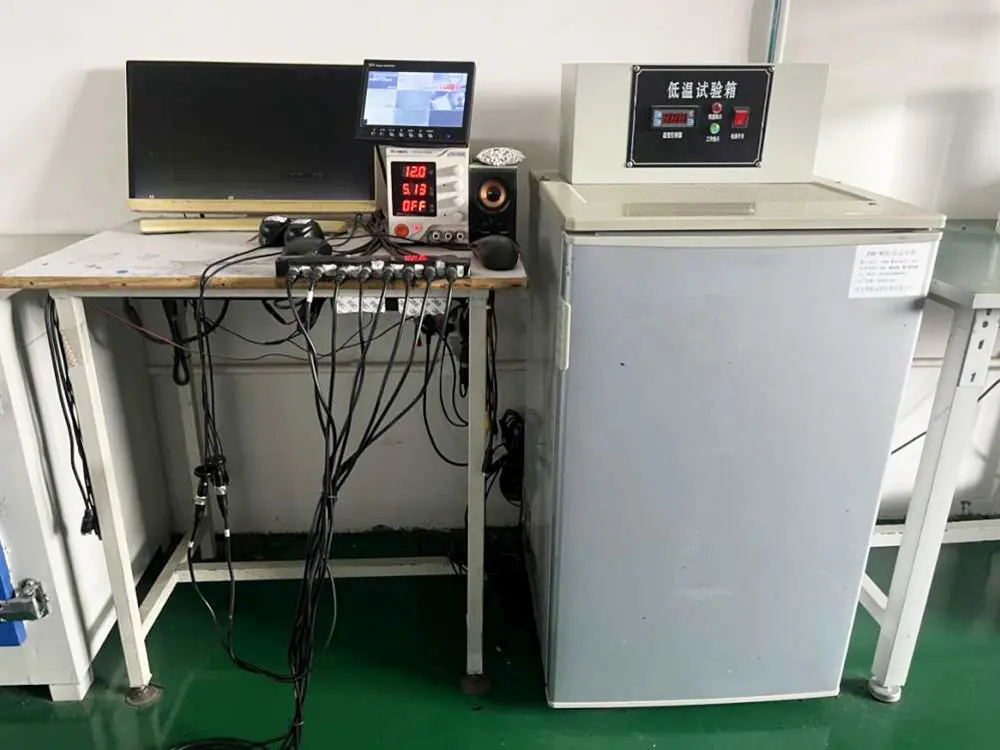
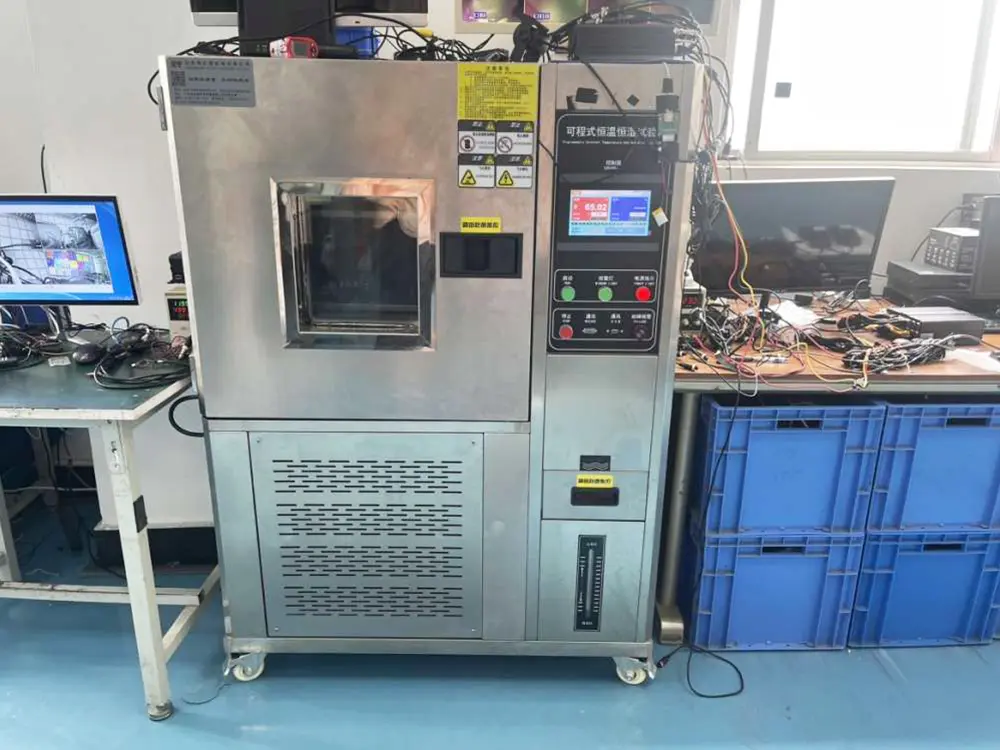
Our commitment to rigorous testing and international quality and regulatory approvals.







As machine intelligence advances, the architecture of excavator camera systems is shifting from simple stand-alone modules toward deeply integrated networks connected to onboard ECUs and telematics platforms. Over the next three to five years, several critical hardware and software integrations will shape heavy equipment vision technology:
Traditional analog AHD systems are highly cost-effective and low-latency, but the demand for higher resolutions (4K) and multi-channel synchronization is driving the transition toward Automotive Ethernet (100BASE-T1/1000BASE-T1). This shift allows for the transmission of uncompressed video streams along with diagnostic data over a single unshielded twisted pair, simplifying wiring looms and reducing total vehicle weight.
Relying solely on visual cameras can introduce edge-case vulnerabilities during heavy snow, thick dust, or torrential rain. Next-generation systems integrate raw camera feeds with millimeter-wave radar and solid-state LiDAR sensors. By fusing these inputs, the onboard processing unit can calculate distances and classify objects with high accuracy, minimizing false alarms and improving overall system reliability.
Active safety systems are expanding beyond vehicle exteriors. Edge-computing driver monitoring systems (DMS) analyze real-time infrared facial tracking to detect signs of operator fatigue, distraction, or medical distress. Integrating DMS with external visual arrays creates a unified safety zone that monitors both driver alertness and surrounding site risks.
Answers to common questions regarding integration, specifications, and procurement options.
Complete your fleet deployment with our certified, ruggedized cameras and recording units.
 Xiyue Electronics