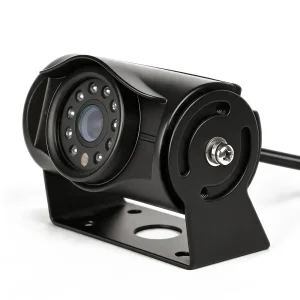
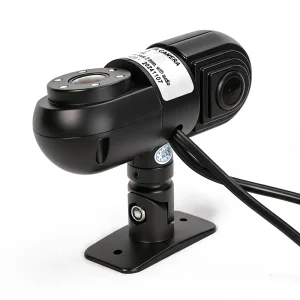
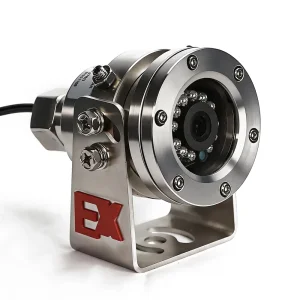
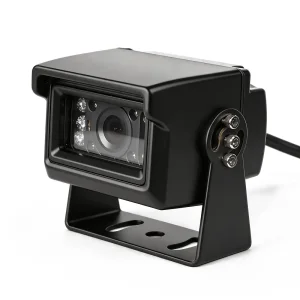
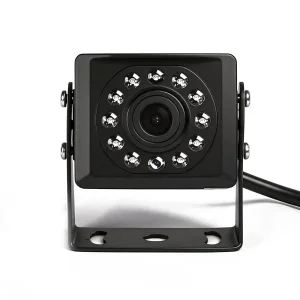
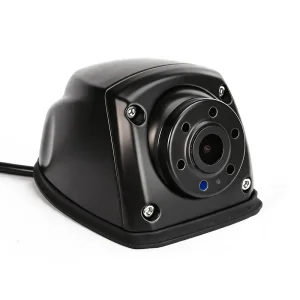
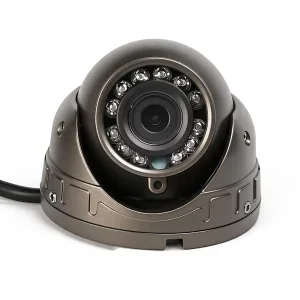
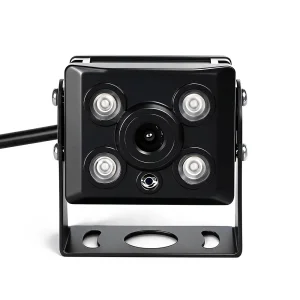
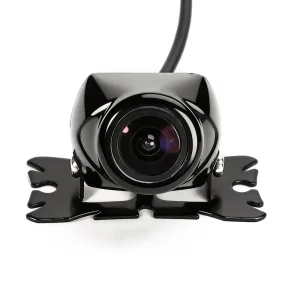
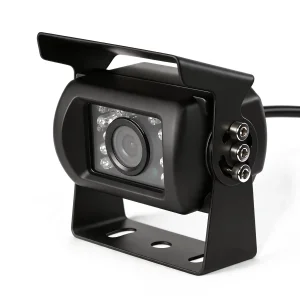
Engineered for extreme environments, featuring IP67/69K waterproofing, rugged enclosures, and high-definition sensors.
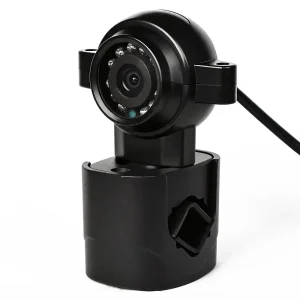
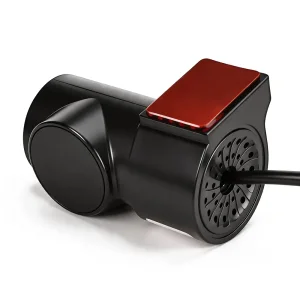
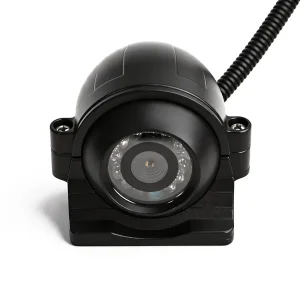
In today's global transportation and heavy industrial sectors, safety systems are no longer elective upgrades; they are critical regulatory requirements. Modern heavy-duty cameras serve as the central eyes for fleet management, advanced driver assistance systems (ADAS), and cargo security. From hauling hazardous chemicals to navigating construction sites, these systems face immense physical stress.
"Integrating AI-powered detection with ultra-durable camera hardware represents the new benchmark for commercial vehicle operations. Real-time starlight sensors and intelligent driver monitoring systems are reshaping risk management profiles across transit and heavy logistics networks globally."

The industrial automotive camera sector is undergoing a rapid transition from traditional analog formats to high-definition AHD (Analog High Definition) and IP (Internet Protocol) architectures. This technological shift is primarily driven by three factors: the integration of Edge-AI, the regulatory mandate for advanced driver-assistance systems (ADAS), and the evolution of high-dynamic-range (HDR) imaging sensors.
For enterprise purchasing officers, fleet managers, and industrial OEMs, selecting the right vendors goes far beyond comparing pricing charts. Sourcing heavy-duty cameras requires checking a complex matrix of engineering specifications, compliance certifications, and software support structures:
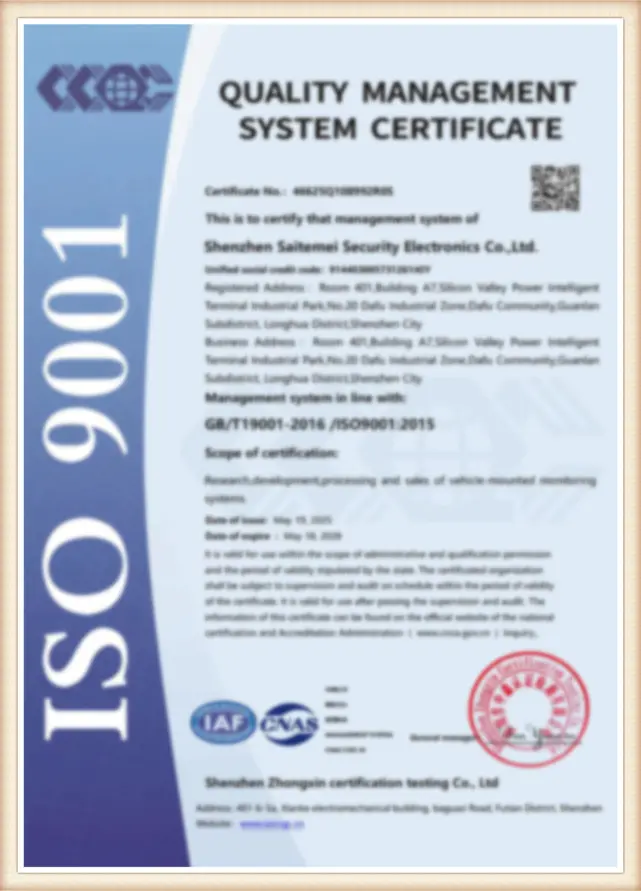
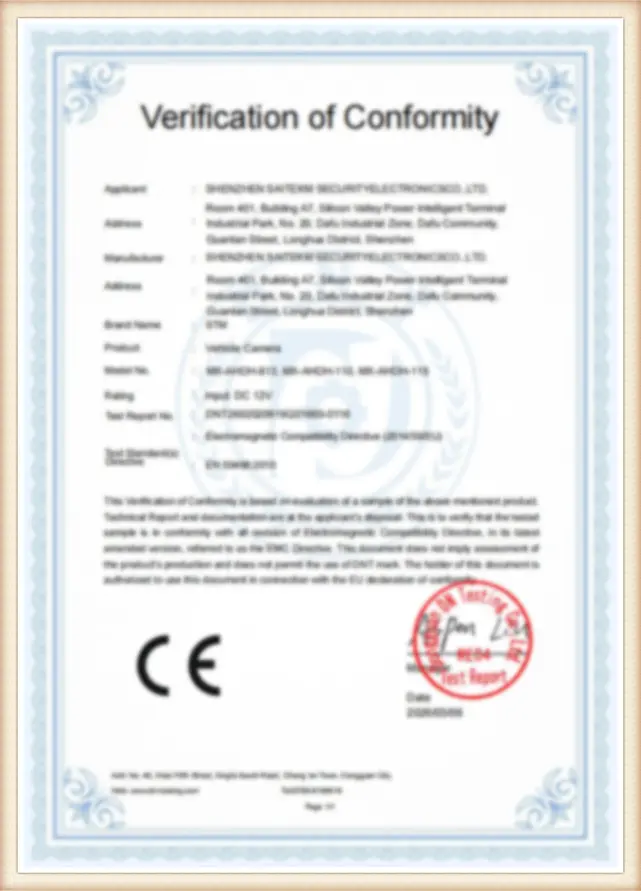
Compliance with E-Mark (Europe), FCC (USA), CE, and RoHS is crucial. Uncertified equipment can lead to insurance liabilities and cross-border customs delays.
Most commercial fleets require standard M12 4-Pin aviation connectors. Secure locking pins prevent decoupling under harsh road vibration.
Integrators need customizable firmware to match the video format with existing MDVRs (Mobile Digital Video Recorders) and telematics systems.
Furthermore, long-term procurement relies heavily on product lifecycle support. In the industrial segment, a camera layout model is expected to remain available for at least 5 to 7 years to ensure replacement availability. Factories capable of offering steady component supply, flexible firmware integration, and structured QA parameters are the preferred choice for industrial buyers.
How does a leading Chinese factory manage to produce high-performance, budget-friendly heavy-duty cameras without sacrificing material quality? The answer lies in advanced manufacturing clusters, vertical integration, and automated testing lines (Industry 4.0).
By leveraging regional supply chains centered in South China, manufacturers optimize raw material procurement for optical lenses, image signal processors (ISPs), and cast-alloy shells. Automated active alignment (AA) machines ensure the optical sensors align perfectly with the lens modules, minimizing field distortion and optical anomalies.
Our partner facilities implement extensive quality inspection pipelines. Every single batch of cameras undergoes:
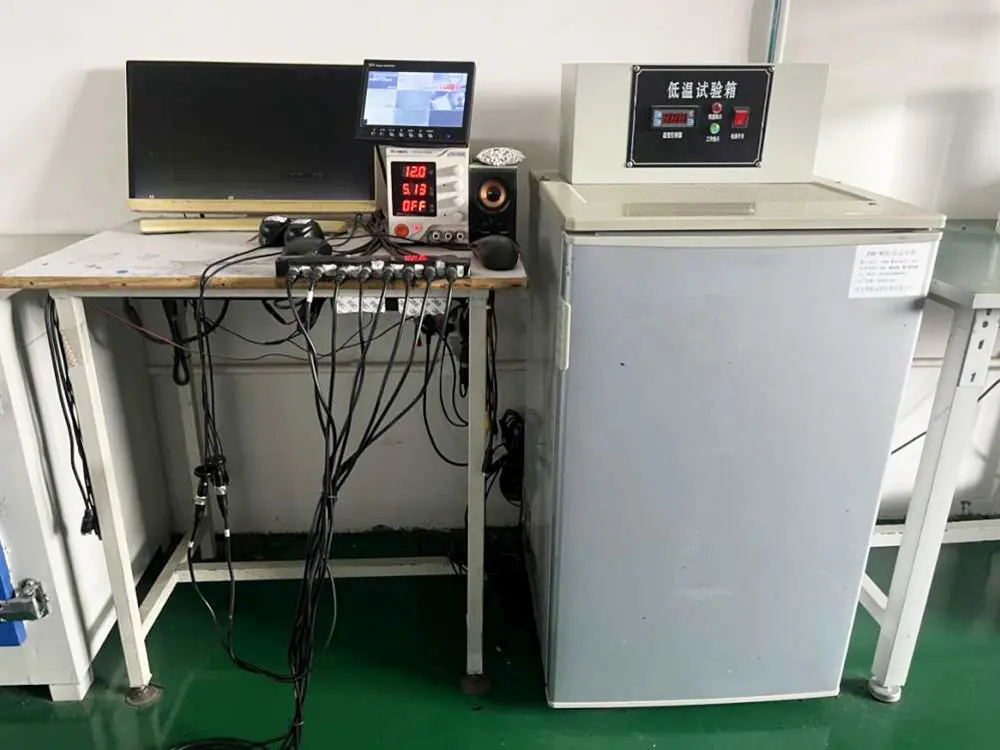
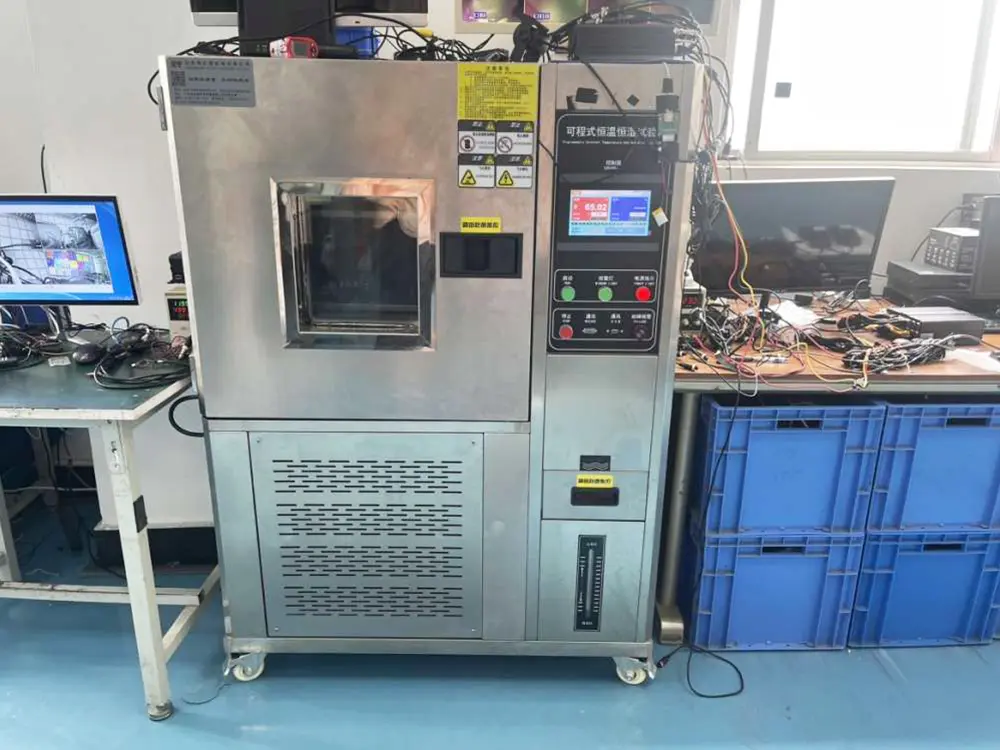
Xiyue Electronic Information Technology Co., Ltd. is a professional and reliable foreign trade enterprise focusing on global export of high-performance vehicle-mounted camera systems and full-series automotive electronic products. More than a mere product supplier, we serve as a long-term strategic procurement partner for global overseas buyers, focusing on simplifying cross-border procurement procedures and reducing overall purchasing costs for all clients.
We adhere to a one-stop comprehensive service mode, covering professional product recommendation, accurate quotation, OEM/neutral packaging customization, unified quality inspection, cross-border logistics and complete after-sales support. Our core mission is to provide worry-free, efficient and stable overall procurement solutions for global automotive electronics distributors, fleet companies and engineering equipment merchants.
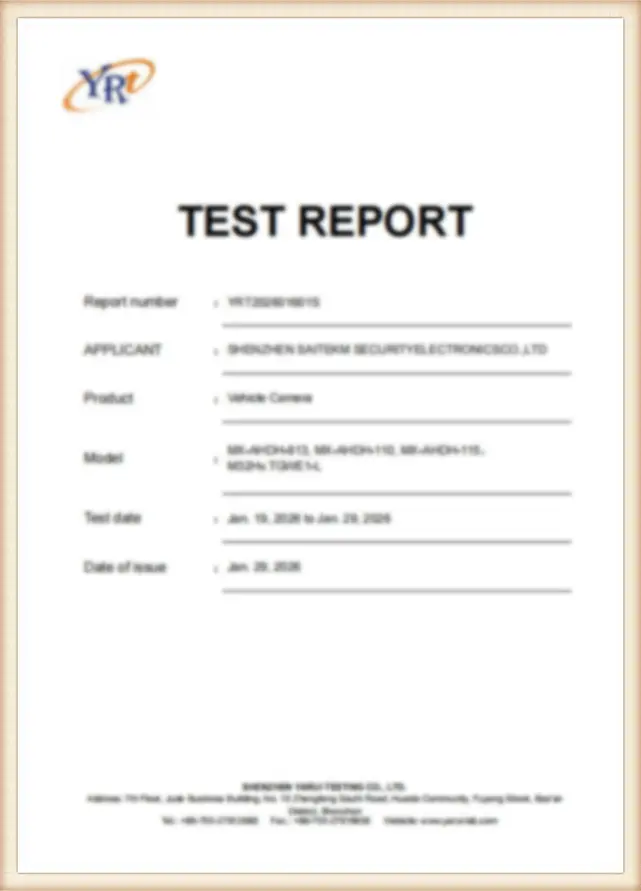
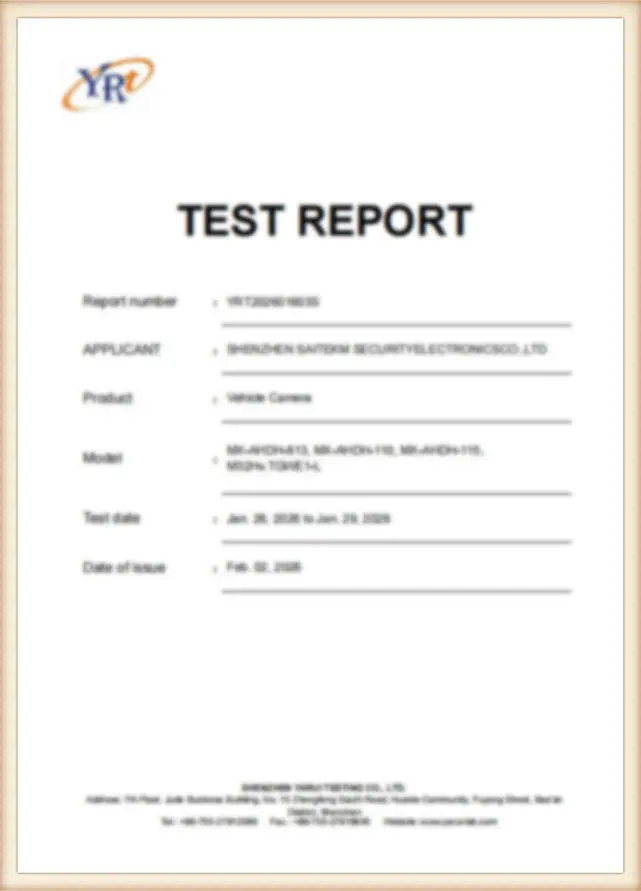
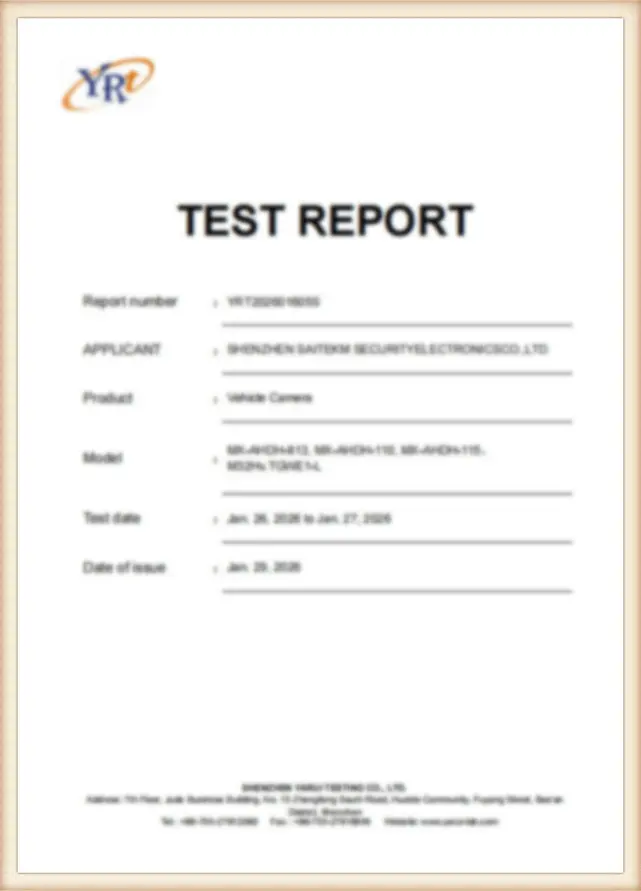
We develop and supply full-range automotive electronic safety products to improve driving safety and vehicle operation efficiency for passenger cars, commercial vehicles, engineering machinery and hazardous transport vehicles. Our complete product lineup covers:
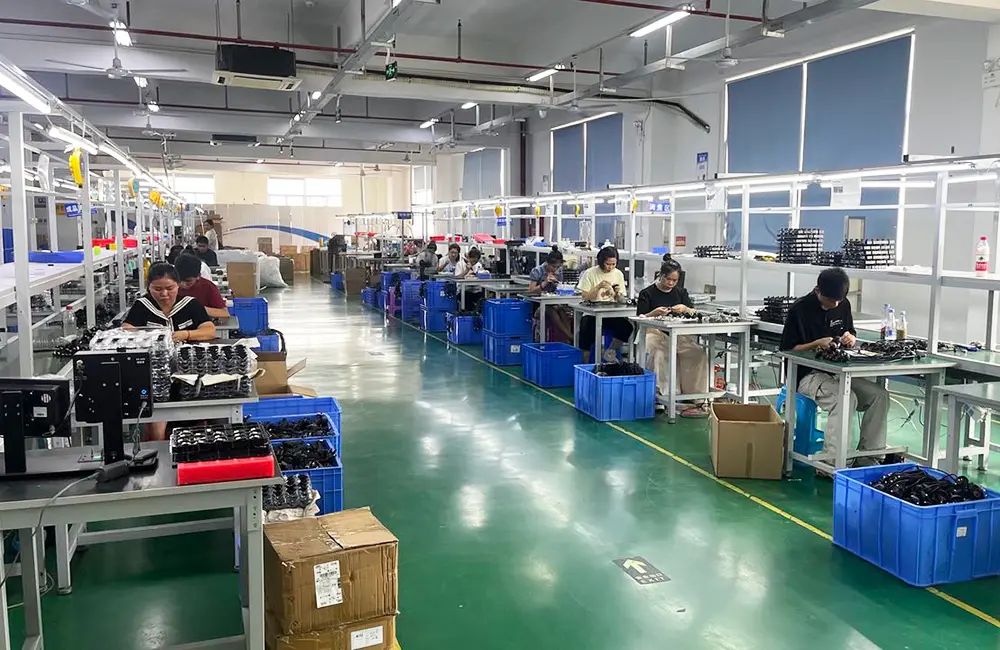
Supported by China’s mature automotive electronics industrial cluster resources, we build a strict upstream manufacturer screening system.
Support in-stock quick delivery orders and customized agent procurement orders depending on your project scope.
24-hour online support, fast and precise official quotation with detailed parameter sheets and optical diagrams.
Provide neutral white box packaging, logo printing, exclusive OEM software UI, and structural hardware customization.
Accept small-batch trial orders and large-batch bulk orders, maintaining a short and structured production lead time.
Integrated logistics arrangement, customs clearance assistance, duty optimization advice, and full-cycle after-sales tracking.
We balance high product cost performance and flexible service mechanism, helping global customers avoid supply chain risks.
Heavy-duty cameras operate under widely varying ambient conditions depending on the industry and geographic location. A generalized solution is rarely optimal. Below, we break down specific engineering benchmarks required across four key vertical markets.
Environment Challenges: Constant low-frequency vibration, airborne silica dust, and complete darkness during deep shaft operations.
Engineering Benchmark: High vibration rating (at least 10G mechanical shockproof), IP69K sealing to withstand blast cleaning, and dual-zone infrared (IR) illuminators for optical range up to 20 meters.
Environment Challenges: Explosive atmospheric vapours, saline environments, and chemical cleaning cycles.
Engineering Benchmark: Explosion-proof chassis (Ex d IIC T6 Gb compliant), high-grade AISI 316L stainless steel housing to avoid atmospheric corrosion, and explosion-proof conduit terminations.
Environment Challenges: Sudden temperature swings when pulling out of refrigerated warehouses (+25°C to -20°C), causing internal condensation.
Engineering Benchmark: Nitrogen-filled sealed chambers, active internal heating elements to prevent lens fogging, and condensation-proof glass coatings.
Environment Challenges: Tampering risks, high-contrast interior lighting, and strict storage constraints.
Engineering Benchmark: Vandal-resistant dome designs (IK10 rating), wide-angle lens with low distortion, and dynamic high contrast range (WDR) to balance outdoor glare and dark cabin interiors.
High-fidelity optical components designed for passenger safety monitoring, system diagnostics, and driver status tracking.
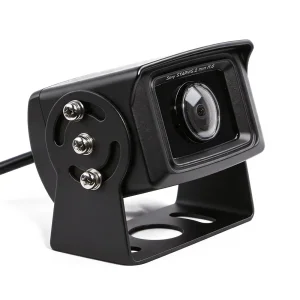
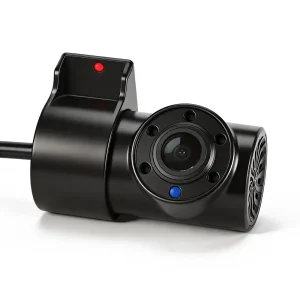
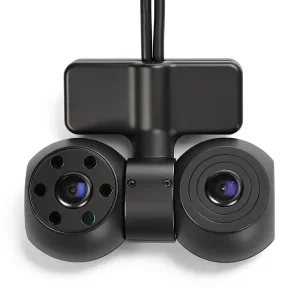
Technical clarifications and procurement guidelines answered by our optical engineering department.
 Xiyue Electronics