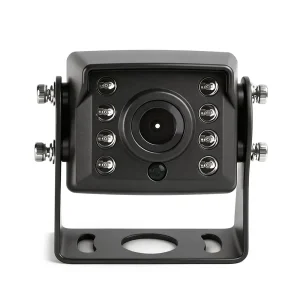
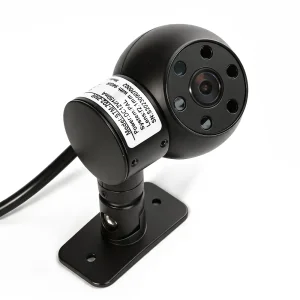
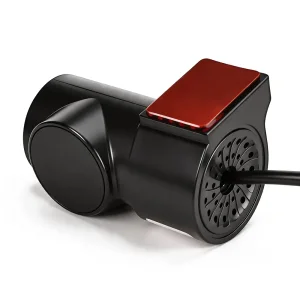
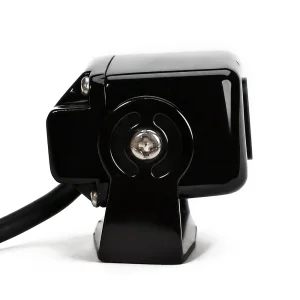
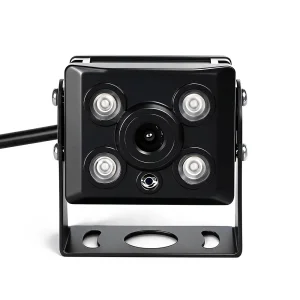
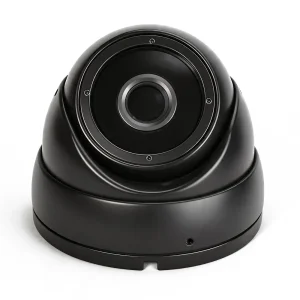
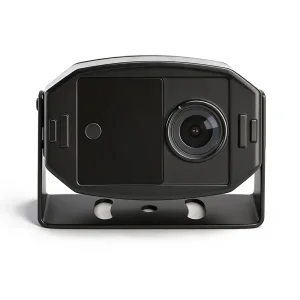
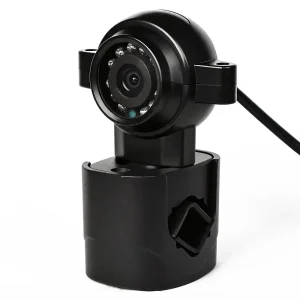
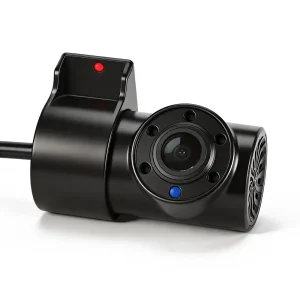
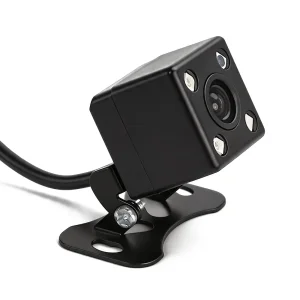
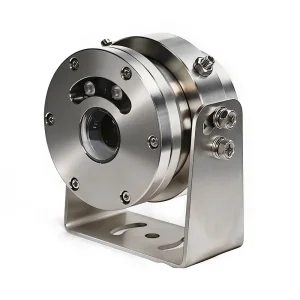
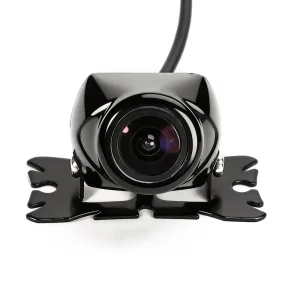
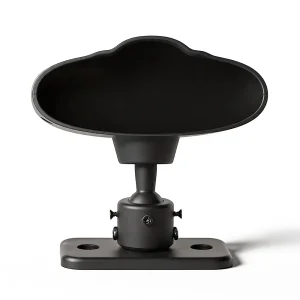
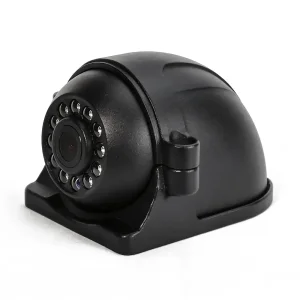
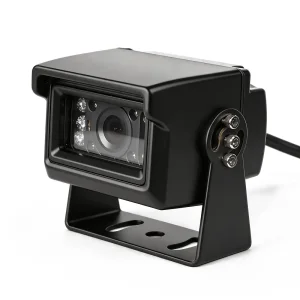
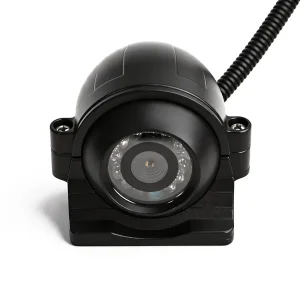
High-performance imaging components engineered to withstand extreme vibrations, thermal cycling, and chemical exposure.
Understanding the complex supply chain safety regulations driving the adoption of specialized camera systems in volatile environments.
Hazardous material transportation (often termed HazMat logistics) represents one of the most heavily regulated sectors in the global shipping industry. Tankers and chemical trucks transport highly flammable, corrosive, and reactive products like petroleum distillates, industrial acids, solvents, and liquified petroleum gases. Standard automotive camera systems fail rapidly under the harsh conditions typical of chemical facilities and refinery environments. Daily washdowns using caustic detergents, constant exposure to hydrocarbons, and micro-sprays of acidic substances break down ordinary polyurethane and rubber gaskets, cloud the optical coatings of standard glass, and corrode structural aluminum alloys.
Standard fleet monitoring cameras are designed only for water resistance (such as IP67). In contrast, specialized chemical-grade cameras must resist persistent contact with organic solvents, diesel, hydraulic oils, and high-pH cleaning agents used at fleet depots.
European Accord Dangereux Routier (ADR regulations) and North American OSHA guidelines outline strict explosion-proof requirements for electronic equipment mounted near chemical unloading ports. Any device deployed on chemical transport vehicles must be intrinsically safe and certified.
Replacing broken cameras every 6 to 12 months creates unacceptable vehicle downtime and maintenance costs. Procuring genuine CE-certified oil-resistant units saves fleet operators thousands of dollars over the vehicle's operational lifecycle.
How Xiyue utilizes advanced material engineering to achieve absolute hermetic sealing and structural longevity.
True chemical-grade cameras are not just standard housings with extra adhesive. They are developed using specific material science principles to ensure that structural integrity is maintained under mechanical and chemical stress.
Standard camera models use NBR (Nitrile Rubber) or simple silicone gaskets which quickly swell and degrade when exposed to diesel, petroleum hydrocarbons, and light mineral oils. Our specialized models employ high-grade FKM (Viton) sealing rings, which provide chemical resistance across a broad temperature range (-20°C to +200°C).
For corrosive acid and alkali tankers, aluminum housings will pit and oxidize. Xiyue's ruggedized exterior cameras (such as the XY-FBH08 Explosion-Proof Camera) feature heavy-duty castings coated with multi-layer anti-corrosion finishes or marine-grade SUS316L stainless steel hulls to ensure structural integrity.
Water condensation and oily build-up degrade the camera's field of view, creating dangerous blind spots. The external lens covers of our chemical vehicle cameras are treated with hydrophobic and oleophobic nano-coatings. This keeps the glass clear by preventing oil droplets, water condensation, and chemical residues from adhering to the lens.
| Technical Parameter | Standard Commercial Camera | Xiyue Oil/Chemical Resistant Camera |
|---|---|---|
| Housing Material | Standard Aluminum Alloy or ABS Plastic | Anodized ADC12 / SUS316L Stainless Steel |
| Sealing Gasket | EPDM or Silicone Rubber | Fluoropolymer FKM (Viton) |
| Ingress Protection | IP67 / IP68 | IP69K (High-pressure steam jet resistant) |
| Chemical Tolerance | Poor (corrodes or cracks within 3 months) | Resistant to Hydrocarbons, Alkaline Solutions, Acids |
| Vibration Rating | 5G (ISO 16750-3) | 10G Heavy Duty Shock (MIL-STD-810G Compliant) |
A complete vehicle-mounted vision ecosystem designed to cover every blind spot while ensuring structural safety.
Modern hazardous chemical logistics companies require more than standalone cameras. They need integrated systems capable of real-time monitoring, AI-assisted driver fatigue detection, and secure local recording. The diagram below illustrates how Xiyue integrates various high-performance cameras into a cohesive commercial vehicle system:
Utilizing the XY-FS208 1080P Starlight AHD Exterior Camera and the XY-FS797 150° Ultra-Wide Camera, fleet managers gain complete visibility of the tanker's sides. These wide-angle lenses allow drivers to navigate tight loading bays and busy terminal spaces safely.
Fatigue is a leading cause of hazardous shipping accidents. The XY-N7503-DMS and the XY-DSM361 utilize AI algorithms to monitor driver eye movements, yawn frequency, and phone usage, alerting the driver and dispatch center instantly.
Mounting equipment near discharge valves requires explosion-proof safety certification. The XY-FBH08 Explosion-Proof Camera is specifically built to prevent internal electrical sparks from igniting surrounding flammable vapors.
Your professional foreign trade partner for automotive electronics, specialized camera systems, and simplified global procurement.
Xiyue Electronic Information Technology Co., Ltd. is a professional and reliable foreign trade enterprise focusing on global export of high-performance vehicle-mounted camera systems and full-series automotive electronic products. More than a mere product supplier, we serve as a long-term strategic procurement partner for global overseas buyers, focusing on simplifying cross-border procurement procedures and reducing overall purchasing costs for all clients.
We adhere to a one-stop comprehensive service mode, covering professional product recommendation, accurate quotation, OEM/neutral packaging customization, unified quality inspection, cross-border logistics and complete after-sales support. Our core mission is to provide worry-free, efficient and stable overall procurement solutions for global automotive electronics distributors, fleet companies and engineering equipment merchants.

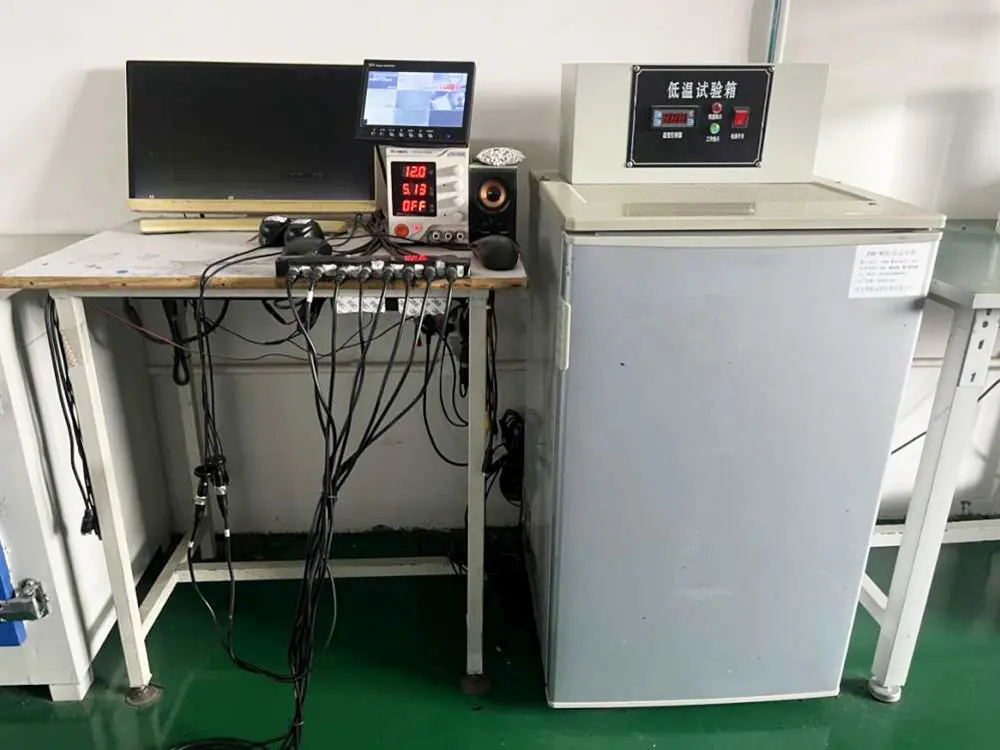
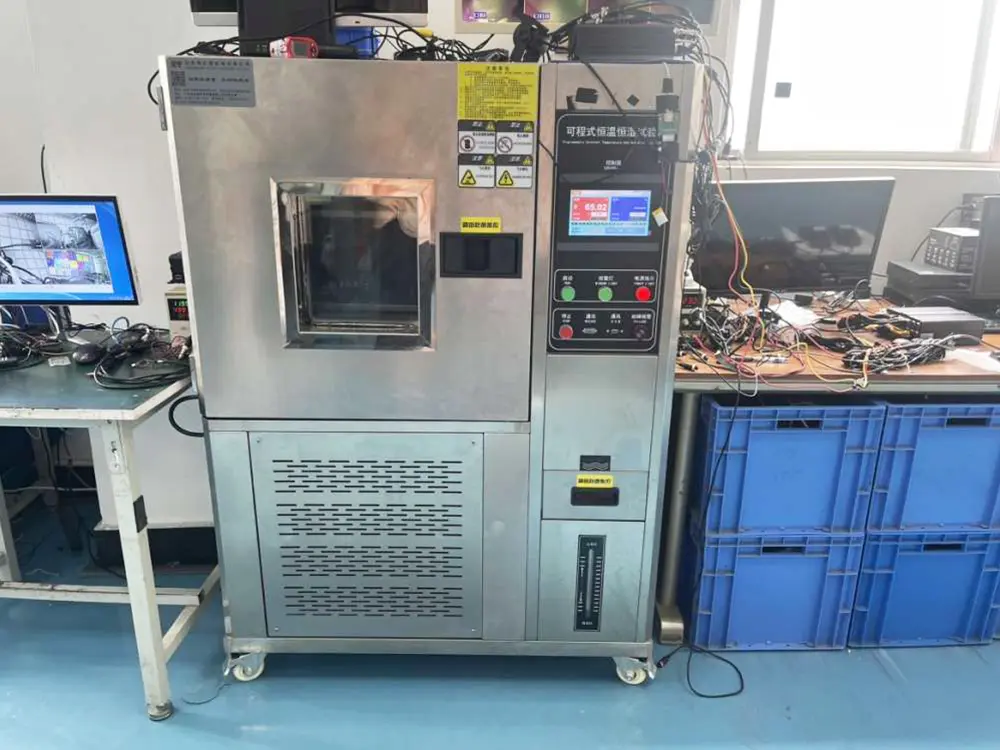
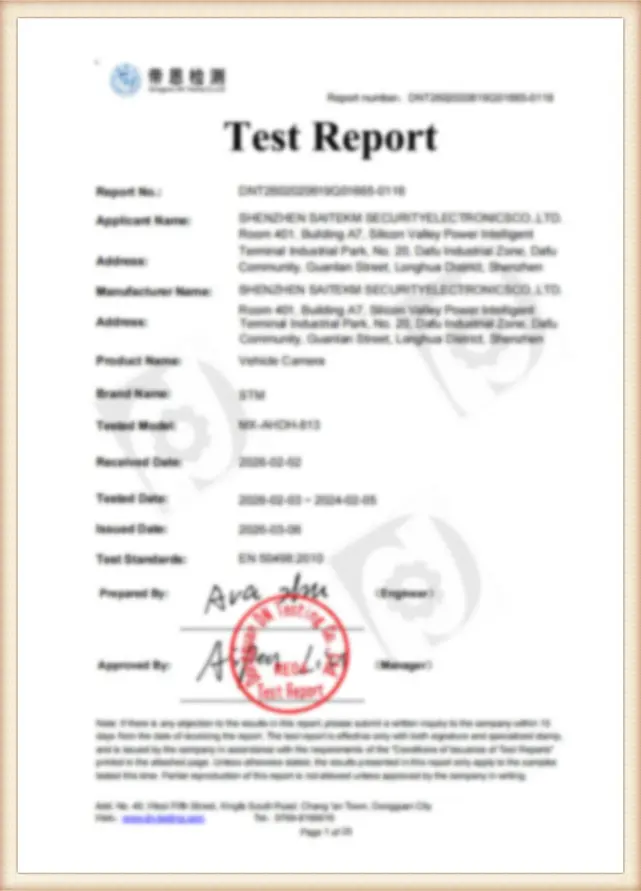
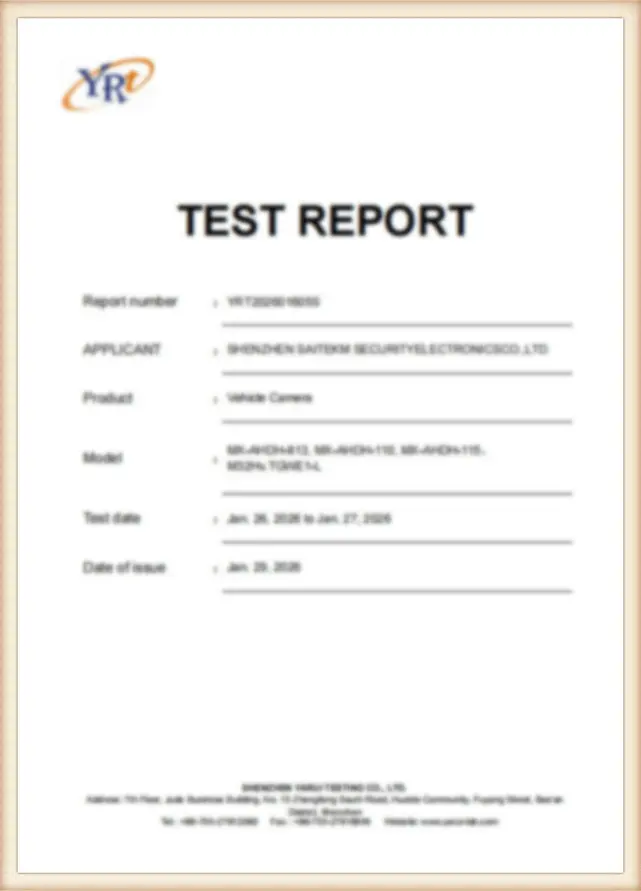
Xiyue guarantees absolute compliance. All cooperative factories undergo strict quality management audits, ensuring our products hold the necessary global certifications.
Supporting driving safety and operations across commercial vehicles, hazardous transport trucks, and heavy engineering machinery.
We develop and supply a complete range of automotive electronic safety products to improve driving safety and vehicle operation efficiency. Our product portfolio includes:
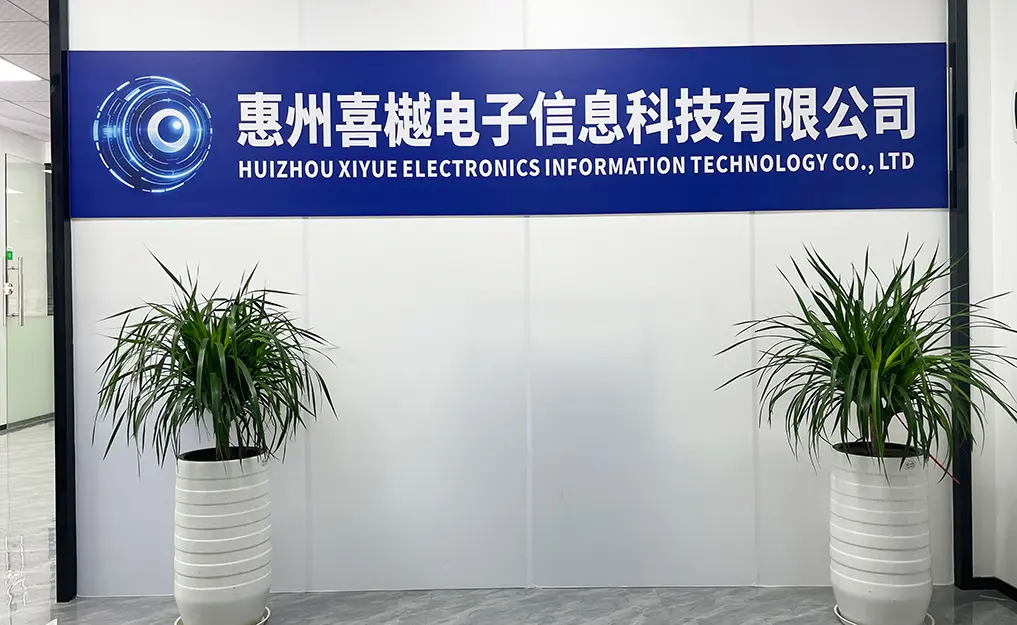
Leveraging China's automotive electronics clusters to deliver verified quality and efficient cross-border services.
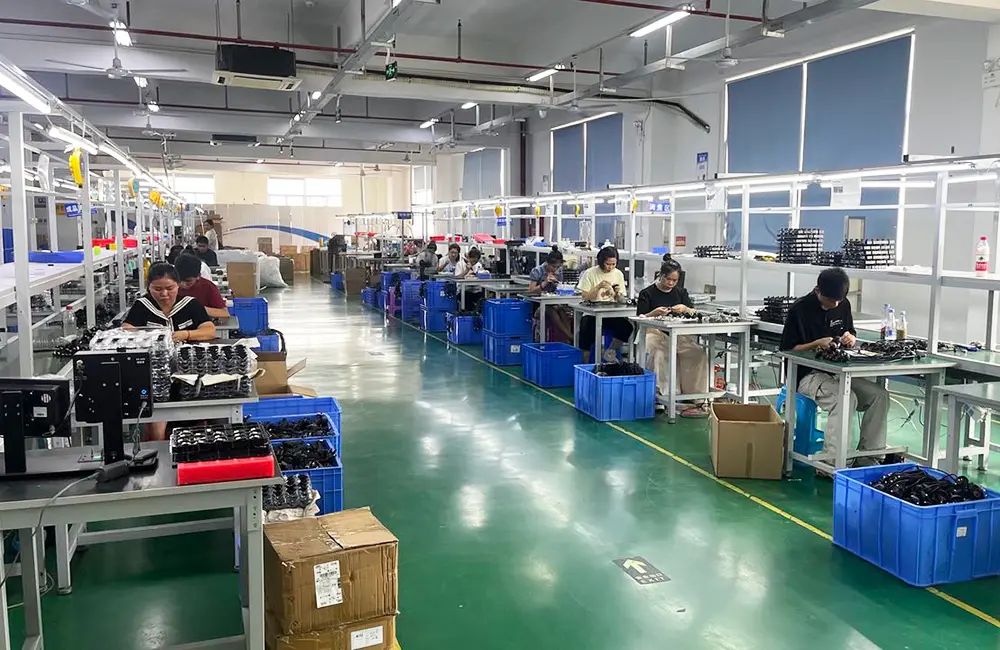
Supported by China's mature automotive electronics industrial cluster resources, we build a strict upstream manufacturer screening system. All cooperative factories pass unified quality compliance audits, with stable mass production capacity and punctual delivery capability. We integrate supply chain resources to provide flexible and efficient foreign trade services for global customers:
Support in-stock quick delivery orders and customized agent procurement orders.
24-hour online support, fast and precise official quotation with detailed parameter sheets.
Provide neutral white box packaging, logo printing, exclusive OEM software and hardware customization.
Accept small-batch trial orders and large-batch bulk orders, with short production lead time.
Integrated logistics arrangement, customs clearance assistance and full-cycle after-sales tracking.
How next-generation sensing and optical technologies will reshape safety in chemical logistics.
As logistics operations become increasingly automated, the requirements for vehicle vision systems continue to evolve. Static safety monitoring is transitioning to predictive, active hazard warning systems. Xiyue remains at the forefront of this shift by investing in next-generation vision and optical technologies:
By integrating specific optical filters and advanced AI algorithms, future camera systems will be capable of detecting and highlighting invisible chemical leaks, gas venting, and liquid spills directly on the driver's display console.
To support high-resolution processing without latency, Xiyue is transitionally adapting its product lines from analog AHD to high-speed GMSL2 digital serial links, ensuring uncompressed 1080P & 4K video over long runs.
By combining thermal cores with standard CMOS sensors, future systems will provide reliable imaging through dense fog, smoke, and total darkness, while monitoring the surface temperature of chemical payloads in real time.
Demonstrated performance, reliable supply chains, and global reach in high-end vehicle monitoring.
Answers to common engineering and regulatory questions regarding vehicle camera systems in hazardous chemical environments.
Standard waterproof cameras use EPDM or nitrile rubber seals that swell and dissolve when exposed to diesel, engine oils, or petroleum distillates. An oil-resistant camera utilizes fluoropolymer elastomers (FKM or Viton) that maintain structural integrity and sealing pressure in the presence of hydrocarbons. The lens is also treated with oleophobic nano-coatings to prevent oil films from adhering and blurring the video feed.
CE certification ensures that the camera system complies with European safety, health, and environmental protection standards. For chemical transport, it guarantees that the camera meets electromagnetic compatibility (EMC) regulations, meaning it won't interfere with the vehicle's electronic control units (ECUs) or cargo monitoring sensors, and complies with low-voltage directives for safe operation.
Explosion-proof cameras, like our XY-FBH08 model, feature heavy, spark-containment housings. They are designed to ensure that if any electrical fault or spark occurs inside the camera, it cannot escape and ignite flammable vapors or gases (such as gas clouds in Class I Div 1/2 or ATEX Zones 1/2 environments) surrounding the truck.
Yes. Our exterior vehicle cameras are tested to IP69K standards. This rating guarantees the camera can withstand high-pressure steam cleaning (typically 100 bar at 80°C) from close range, ensuring they remain sealed even during intensive fleet cleaning routines.
We provide full customization options for our global distribution partners. This includes neutral packaging boxes, customized branding on the camera housing, and custom start-up logos or firmware interfaces to align with your corporate branding and product positioning.
Standard IR LEDs emit a distinct red glow that can attract insects and create glare when reflecting off rain, dust, or tank surfaces. Starlight sensors use highly sensitive pixels to deliver color images in low-light environments without active IR illumination, enhancing image clarity and detail during night loading operations.
High-performance imaging components engineered to withstand extreme vibrations, thermal cycling, and chemical exposure.
 Xiyue Electronics