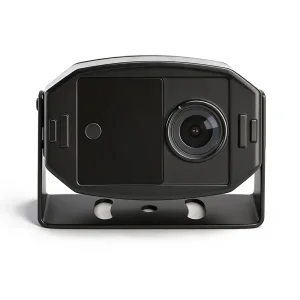
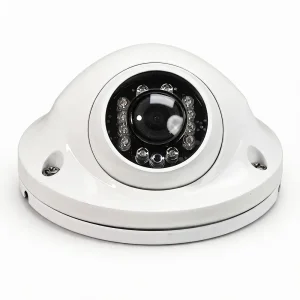
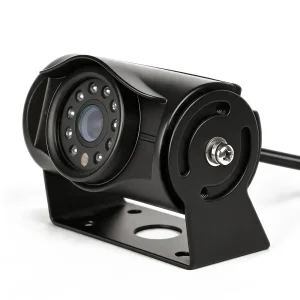
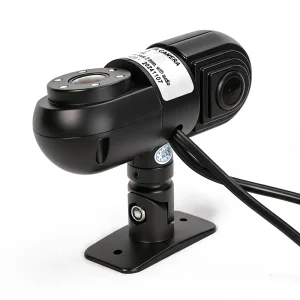
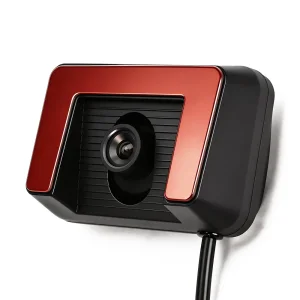
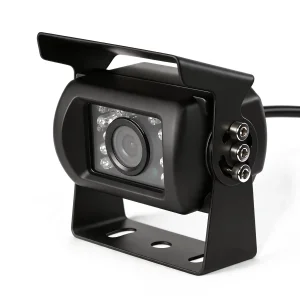
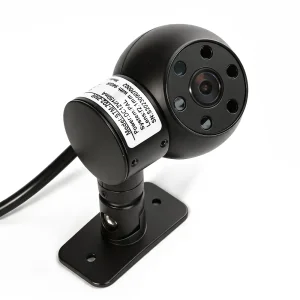
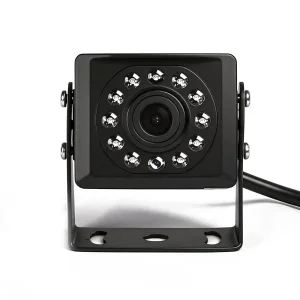
In modern commercial fleets, industrial mining rigs, and precision autonomous agriculture, high-reliability visualization technology is no longer optional—it is a critical safety baseline. Shockproof vehicle-mounted cameras act as the "eyes" of advanced fleet management terminals, telematics systems, and AI-enabled ADAS (Advanced Driver Assistance Systems). The constant vibration of heavy-duty diesel engines, rough off-road terrain, and sudden impacts require camera systems engineered to withstand intense structural stresses.
Industrial imaging units must satisfy rigid mechanical testing standards, particularly ISO 16750-3 and MIL-STD-810G. Devices must withstand random vibrations ranging from 5 Hz to 2000 Hz, with peak acceleration ratings exceeding 10G to prevent structural micro-fractures in internal PCB assemblies.
Physical environments demand absolute resistance to moisture and fine particulates. True shockproof cameras combine robust mechanical builds with IP67 or IP69K dynamic sealing, maintaining watertight performance during high-pressure thermal washdowns.
Severe physical vibration degrades image processing metrics. Digital processing systems rely on high-performance ISPs (Image Signal Processors) coupled with Starlight night-vision sensors, ensuring fast shutter speeds and minimizing motion-blur under poor lighting conditions.
Standard consumer or lightweight commercial cameras fail quickly when deployed in severe operational environments. Industrial shockproof cameras are built specifically for distinct industrial use cases:
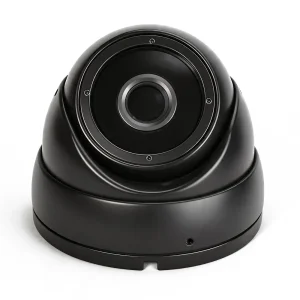
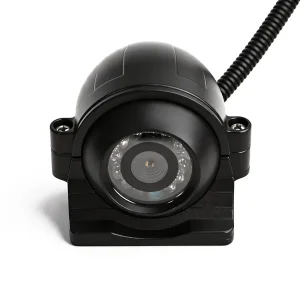
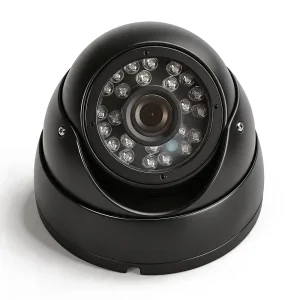
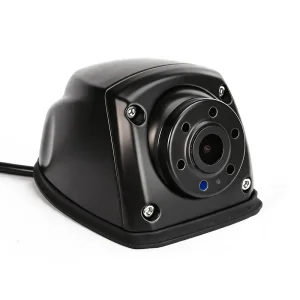
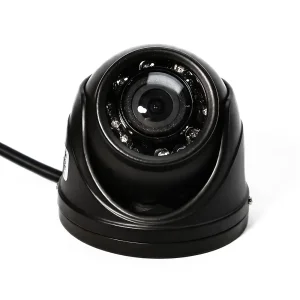
Excavators, massive mining haul trucks, and earthmovers generate continuous low-frequency vibrations. Shocks from dumping heavy rock payloads can damage standard camera sensors. Shockproof cameras mounted near the chassis utilize specialized dampers and rugged metal casings (e.g., metal dome designs) to absorb impact energies, preserving live operator feeds and telematics records.
Urban buses experience frequent stop-and-go acceleration, potholes, and sudden steering adjustments. High-capacity public transport requires multiple viewing angles—ranging from cabin monitoring to exterior blind-spot checks. Long-term reliability limits maintenance costs, and robust shockproofing ensures uninterrupted video storage for liability protection.

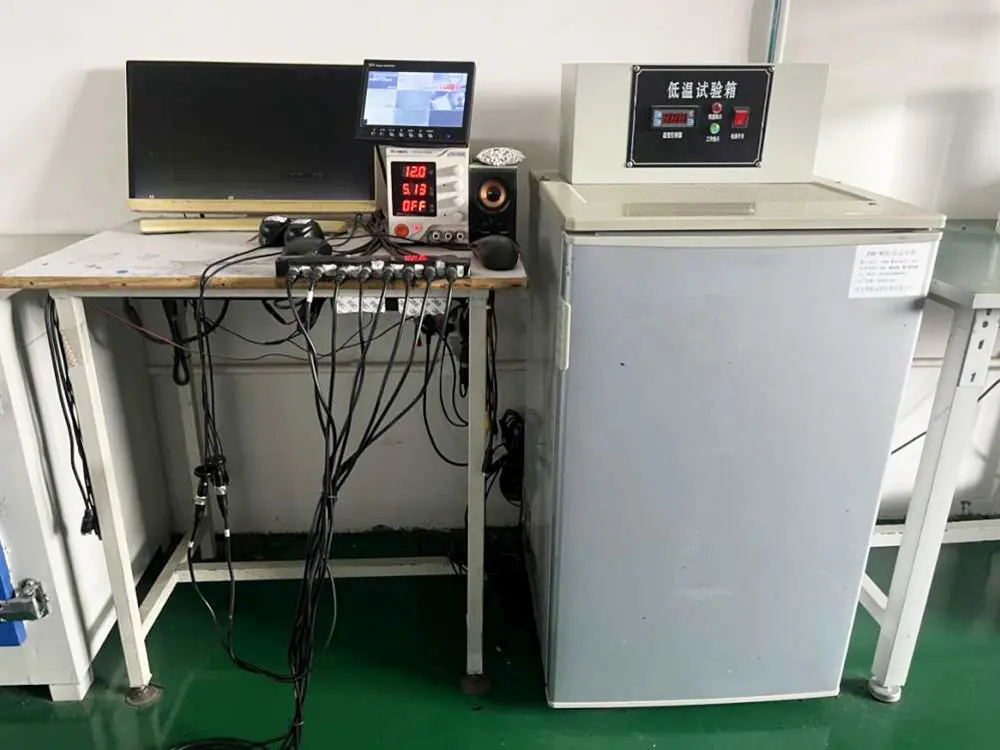
Chemical tankers, fuel trucks, and gas carriers operate under strict safety guidelines. These vehicles use certified explosion-proof and shockproof cameras to continuously monitor pressure valves, couplings, and rear blind spots. In the event of a collision, these cameras survive the impact, providing critical forensic evidence to investigators.
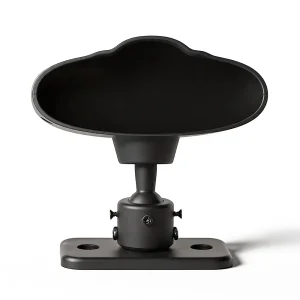
Autonomous tractors and harvesters operating in rugged farming environments rely heavily on camera vision. High-frequency vibrations from soil engaging implements can cause image blur, degrading navigation algorithm performance. Ruggedized camera housings with specialized mounting brackets isolate vibration, enabling reliable precision row crop navigation.
Industrial shockproof imaging technology continues to evolve. Modern engineering is moving away from purely passive mechanical damping, integrating active software stabilization, artificial intelligence, and high-bandwidth digital data paths.
| Feature Category | Legacy & Standard Grade Systems | Advanced / Next-Gen Shockproof Standards |
|---|---|---|
| Sensor Protection | Basic foam pads, standard solder points | Gel-infused encapsulation, reinforced copper vias, sensor-shift protection |
| Housing Materials | Thin ABS plastics or standard alloys | Heavy-duty ADC12 aluminum, anti-corrosive powder coatings, structural ribs |
| Signal Interfaces | Analog CVBS, prone to noise from vibration | AHD (Analog High Definition), LVDS, Ethernet (PoE), locking M12 aviation plugs |
| Optics Engineering | Glued fixed-focus glass lenses | Multi-element shock-locked glass elements, optical path isolation |
| Edge Processing | Passive video feed capture | AI ISP, ADAS, DMS (Driver Monitoring Systems), built-in NPU engine |
Dynamic firmware algorithms process digital image frames in real-time to remove artifacts from vibration, maintaining clear imagery even during high-amplitude bumps.
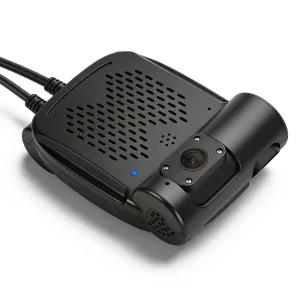
Modern cabin enclosures use dual-lens structures to simultaneously track road hazards (ADAS) and monitor driver fatigue (DMS), packaging safety features in a single shock-resistant body.
Threaded, waterproof M12 aviation connections replace loose barrel plugs, preventing signal loss or power drops caused by heavy physical vibration.
China remains the leading hub for vehicle safety electronics manufacturing. Through industrial clustering, component suppliers, raw material access, and advanced optical production lines are tightly integrated to deliver major cost and scale advantages.
The Greater Bay Area houses a dense ecosystem of sensor foundries, optics producers, SMT assembly plants, and certified environmental testing labs. This geographic concentration allows vendors to source, build, and validate specialized camera housings quickly and efficiently.
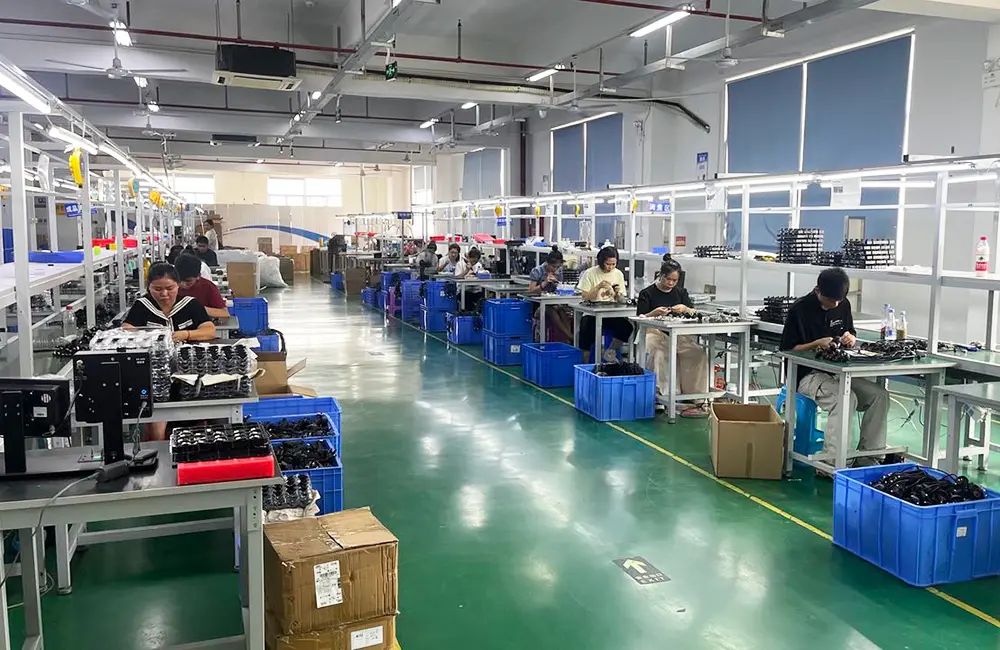
Xiyue Electronic Information Technology Co., Ltd. is a professional and reliable foreign trade enterprise focusing on global export of high-performance vehicle-mounted camera systems and full-series automotive electronic products. More than a mere product supplier, we serve as a long-term strategic procurement partner for global overseas buyers, focusing on simplifying cross-border procurement procedures and reducing overall purchasing costs for all clients.
We adhere to a one-stop comprehensive service mode, covering professional product recommendation, accurate quotation, OEM/neutral packaging customization, unified quality inspection, cross-border logistics and complete after-sales support. Our core mission is to provide worry-free, efficient and stable overall procurement solutions for global automotive electronics distributors, fleet companies and engineering equipment merchants.
We develop and supply full-range automotive electronic safety products to improve driving safety and vehicle operation efficiency for passenger cars, commercial vehicles, engineering machinery and hazardous transport vehicles.
Starlight night vision and high-definition resolution combined to ensure perfect image resolution under low-lux situations.
Advanced integration platforms for medium/heavy trucks, passenger buses, and construction machinery.
Explosion-proof casings and high-pressure washdown seals built for hazardous environments.
Professional driver cameras designed for active fatigue tracking and distraction warnings.
Professional-grade MDVR hardware, supporting real-time cellular uploads and multi-channel synchronization.
Flexible software, housing configurations, and bracket designs adapted to specialized industrial vehicles.
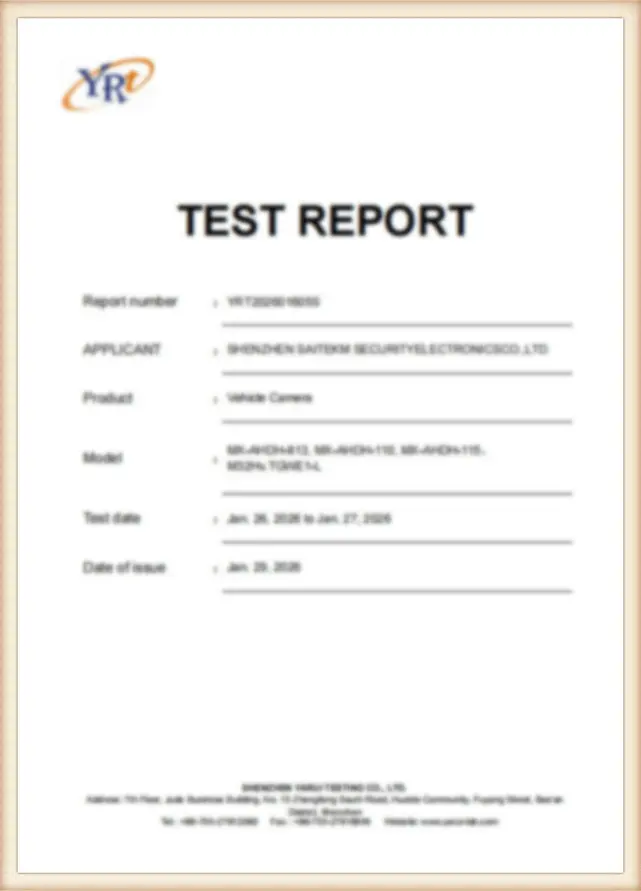
Our products and partner facilities adhere to international quality standards, ensuring compliance across global markets.

Procurement pricing for industrial shockproof cameras varies based on optical sensors, mechanical specs, and order volume. The table below outlines typical FOB China pricing structures for commercial and industrial grade camera modules:
| Camera Category | Sensor & Resolution Specs | Key Technical Strengths | Estimated Unit Price (FOB, USD) |
|---|---|---|---|
| Entry Commercial Grade | 720P / 1080P Analog (AHD), standard CMOS | Standard dynamic range, IP67 enclosure, metallic dome housing | $8 - $15 |
| Professional Fleet Grade | 1080P Starlight Night Vision, Sony IMX Starvis | Starlight performance, IP68 rated, high vibration damping (up to 5G) | $16 - $35 |
| Industrial Extreme & AI Grade | 1080P / 4K, Built-in AI ISP, DMS/ADAS Integration | IP69K sealing, MIL-STD-810G vibration limits, active threat warnings | $45 - $90+ |
Note: Actual pricing depends on batch volume, custom brackets, cabling modifications, shipping configurations, and warranty structures. Contact our sales department for a customized quotation.
 Xiyue Electronics