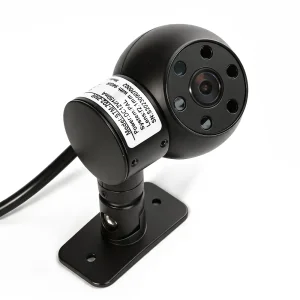
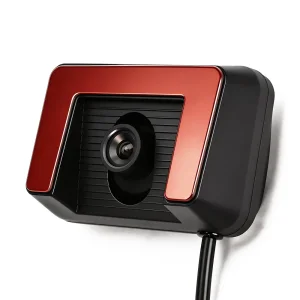
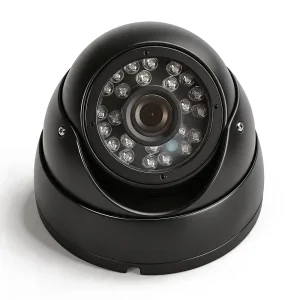
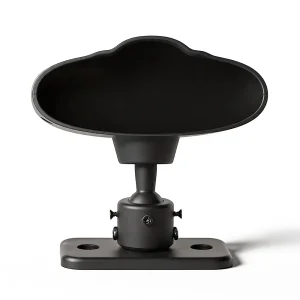
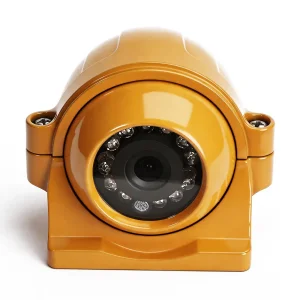
Explore our primary range of high-definition, starlight night vision, and certified explosion-proof cameras designed for port operations and logistics fleets.
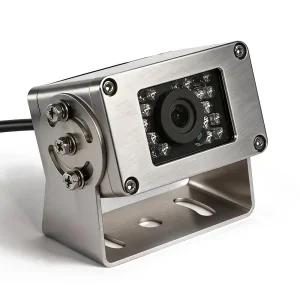
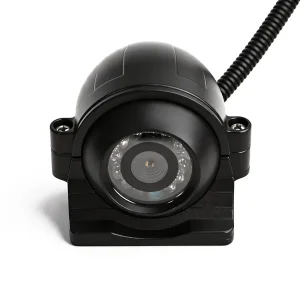
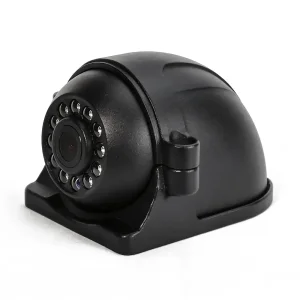
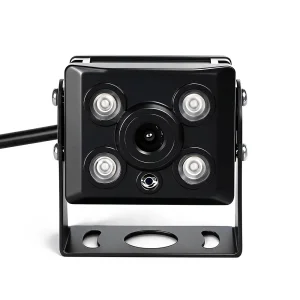
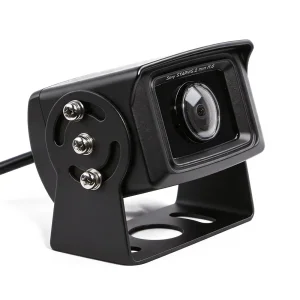
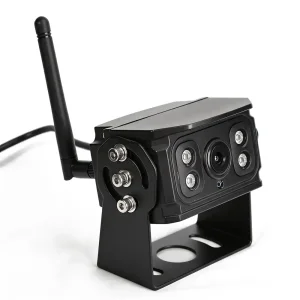
Modern global logistics networks depend heavily on the efficiency, security, and velocity of port terminal operations. Within these environments, port container trucks, terminal tractors, reach stackers, and automated guided vehicles (AGVs) form the critical link between maritime transit and overland shipping. However, the physical configuration of container shipping terminals introduces significant operational hazards: massive blind spots, high-frequency multi-vehicle cross-traffic, irregular heavy weather patterns, and intensive 24/7 operation cycles.
To mitigate these hazards, international port operators are mandating integrated vehicle monitoring systems. Commercial data shows that ports utilizing advanced vehicle-mounted camera solutions experience a 70% decrease in terminal yard collisions and a substantial improvement in container handling cycle times. A comprehensive container truck camera setup must capture the surrounding perimeter, driver behavior, and container coupling mechanisms simultaneously. This demanding requirement has driven global demand for high-quality, ruggedized optical hardware that can survive the harsh physical stresses of saline air, constant mechanical vibration, and extreme temperature fluctuations.
Vehicles operating in ports face mechanical challenges that standard commercial trucks rarely encounter. Marine coastal environments subject electrical and optical housings to extreme corrosive salt spray, high humidity, and direct exposure to seawater. Furthermore, heavy diesel terminal tractors operate under high mechanical vibration profiles, requiring internal camera modules to feature dampening mounts and robust electrical connections that prevent signal dropouts. These factors necessitate cameras with IP69K ingress protection ratings, corrosion-resistant anodized aluminum housings, and shock-absorption ratings compliant with international automotive testing standards.
The technological landscape of industrial fleet cameras is shifting rapidly from analog, low-resolution systems toward intelligent, edge-computing enabled vision architectures. To understand the procurement requirements of modern port projects, buyers must monitor four primary technology trends:
Traditional CVBS (standard analog) cameras no longer satisfy the safety standards of modern industrial yards. High-Definition AHD (Analog High Definition) and IP-based cameras deliver 1080P resolution, which allows fleet operators to identify tiny container serial markings, check locking pin engagement, and perform granular driver behavior analysis. AHD remains highly favored in retrofit port projects due to its latency-free transmission over coaxial cables up to 500 meters without signal degradation, while IP cameras are integrated into new AGV platforms requiring centralized data networks.
Accident prevention relies on monitoring the vehicle’s exterior and the operator’s physical state. Port truck operators work long shifts, making fatigue a major safety risk. Modern safety suites integrate internal DMS cameras—such as the XY-DSM361 1080P Starlight DMS Camera—that use infrared illumination and deep learning algorithms to detect signs of operator fatigue, distraction, phone usage, and smoking. Combined with Advanced Driver Assistance Systems (ADAS) like the XY-NV53 Windshield Camera, these systems warn drivers of forward collisions and lane departures in real-time.
Ports are busy, high-risk areas where ground crews work alongside heavy vehicles. Next-generation cameras incorporate localized AI processors to execute edge-based human and object recognition. When a pedestrian or vehicle enters a pre-defined safety zone around the container truck, the camera triggers immediate acoustic and visual alerts in the driver's cabin and transmits the event telemetry to the central port management system (TOS).
Terminal yards dedicated to chemical and petrochemical container transshipment require specialized equipment certified under explosive atmosphere regulations. The deployment of explosion-proof cameras, such as the XY-FB515 Mini Explosion-Proof Exterior Camera, ensures that even in the event of an electrical malfunction, the camera housing prevents any internal spark from igniting volatile atmospheric gases or dust.
European maritime terminals focus heavily on personnel safety and environmental compliance. Fleet operators require active Blind Spot Information Systems (BSIS) meeting UNECE R151 standards. High-resolution side and rear cameras with integrated blind spot radars are deployed on terminal trucks to protect cycling and walking personnel in congested container lanes.
At major West Coast and East Coast US ports, truck cameras must integrate with wireless fleet telematics platforms and regional FMCSA compliance systems. Cameras must support high-durability 24-hour recording cycles to provide video evidence for accident litigation, cargo damage claims, and terminal liability protection.
With APAC leading the transition toward fully automated smart ports, camera systems are used as primary sensor inputs alongside LiDAR. High-speed container trucks and reach stackers require IP67/IP69K starlight cameras to facilitate remote control piloting, yard mapping, and automated container twist-lock verification.
Xiyue Electronic Information Technology Co., Ltd. is a professional and reliable foreign trade enterprise focusing on global export of high-performance vehicle-mounted camera systems and full-series automotive electronic products. More than a mere product supplier, we serve as a long-term strategic procurement partner for global overseas buyers, focusing on simplifying cross-border procurement procedures and reducing overall purchasing costs for all clients.
We adhere to a one-stop comprehensive service mode, covering professional product recommendation, accurate quotation, OEM/neutral packaging customization, unified quality inspection, cross-border logistics and complete after-sales support. Our core mission is to provide worry-free, efficient and stable overall procurement solutions for global automotive electronics distributors, fleet companies and engineering equipment merchants.

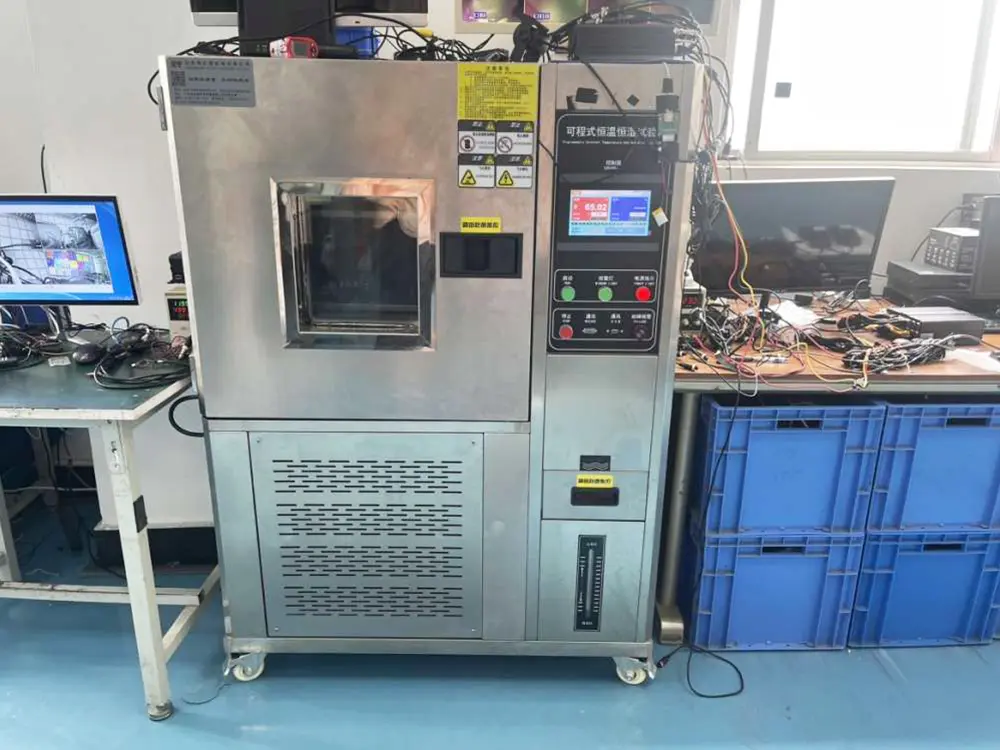
We develop and supply full-range automotive electronic safety products to improve driving safety and vehicle operation efficiency for passenger cars, commercial vehicles, engineering machinery and hazardous transport vehicles. Our complete product lineup covers:
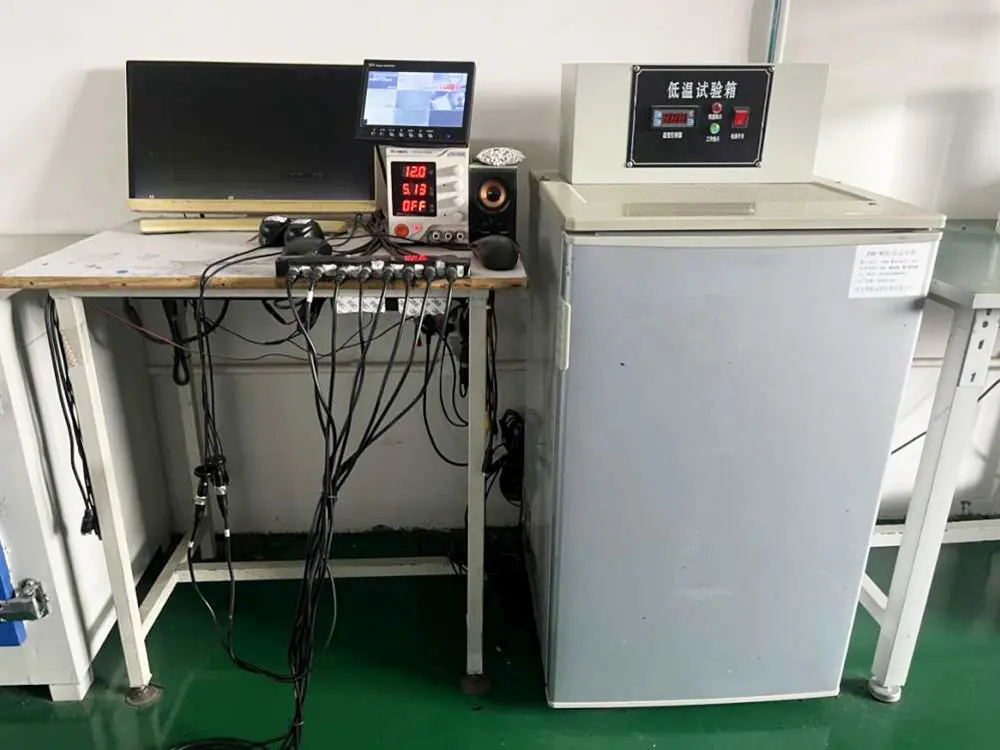
By using advanced testing equipment, we guarantee the quality of every shipped product. Our production workshop is equipped with standard optical alignment targets, salt-spray testing chambers, vibration tables, and high-pressure waterproof chambers. We maintain strict manufacturing oversight from component assembly to packaging, ensuring our products meet the high standards expected by global industrial enterprises.
Supported by China’s mature automotive electronics industrial cluster resources, we build a strict upstream manufacturer screening system. All cooperative factories pass unified quality compliance audits, with stable mass production capacity and punctual delivery capability. We integrate supply chain resources to provide flexible and efficient foreign trade services for global customers:
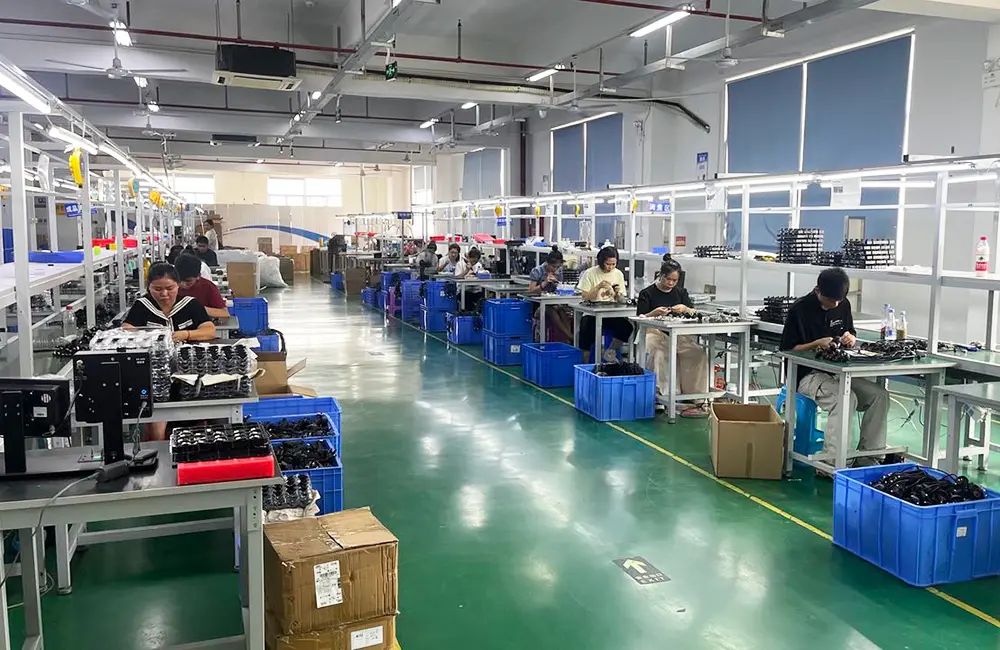
Quality and regulatory compliance are key priorities at Xiyue. Our production and assembly processes are certified under strict international testing frameworks. This ensures that every container truck camera, DMS module, and monitor system exported to global markets delivers reliable safety performance and long service lives.
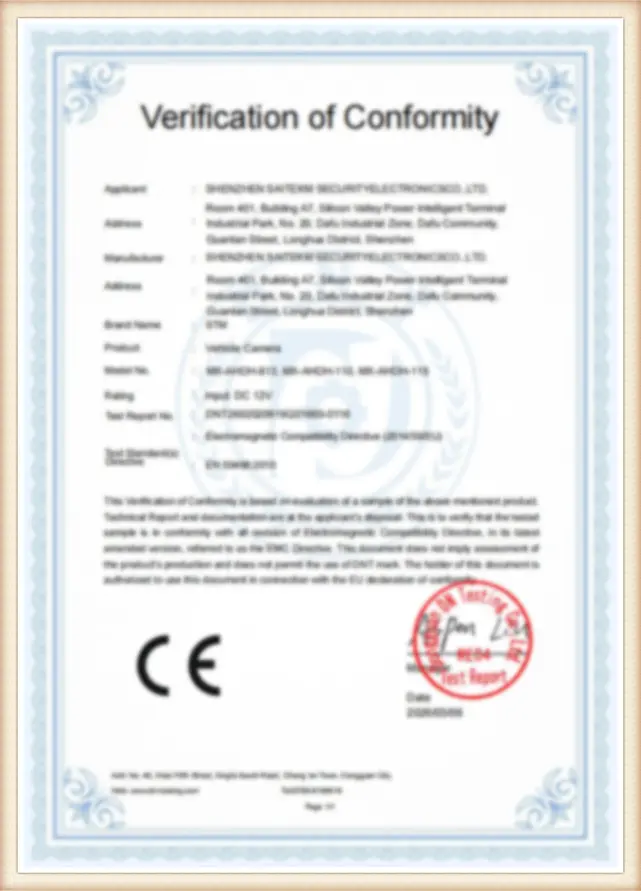
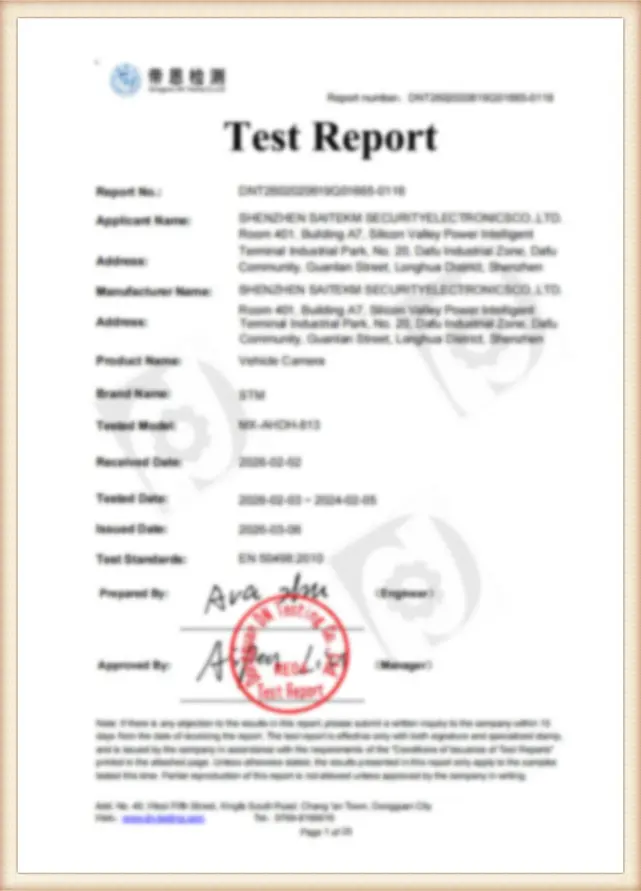
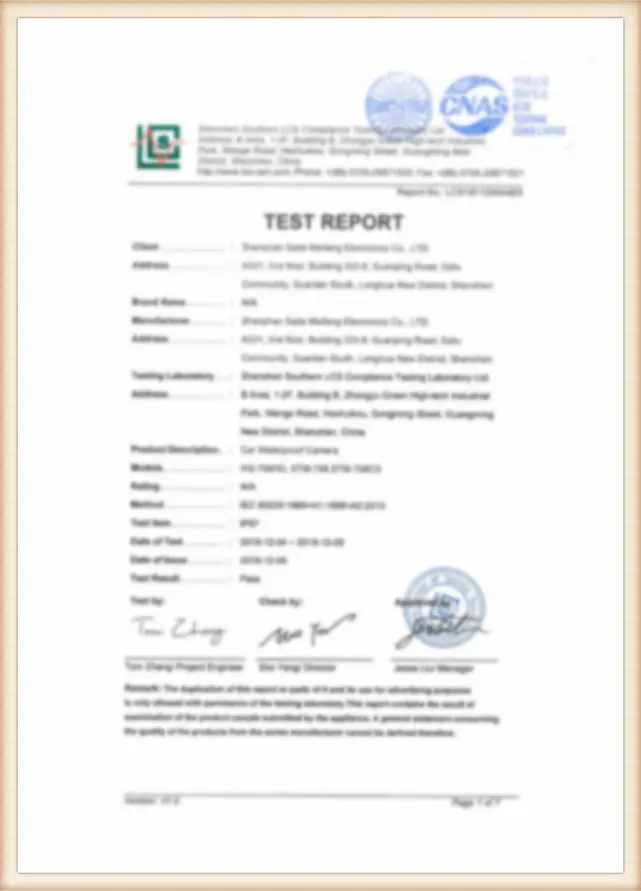
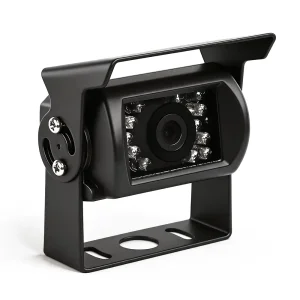
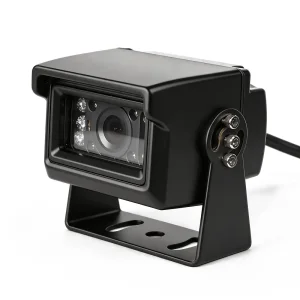
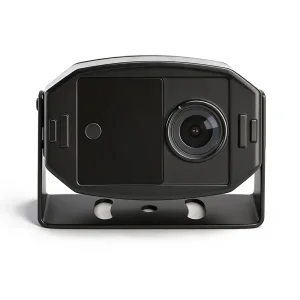
Examine our complete selection of waterproof, starlight, ADAS, and dome cameras designed for comprehensive fleet safety management.
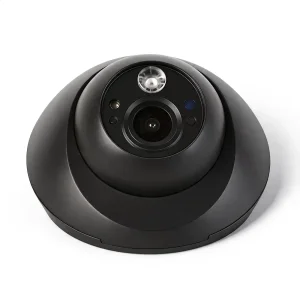
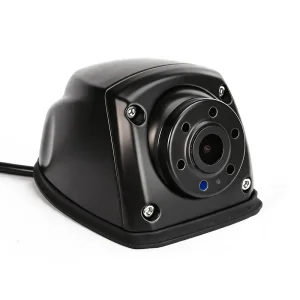
 Xiyue Electronics