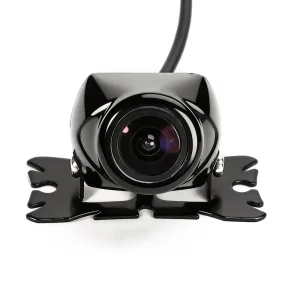
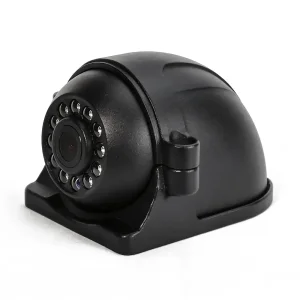
Explore our specialized, high-performance starlight night vision and explosion-proof imaging components designed for complex global automotive architectures.
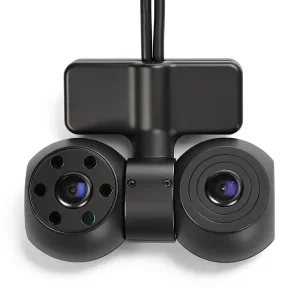
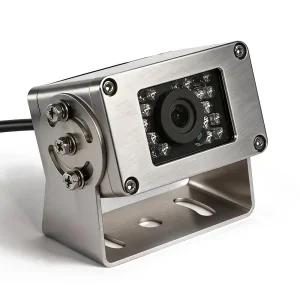
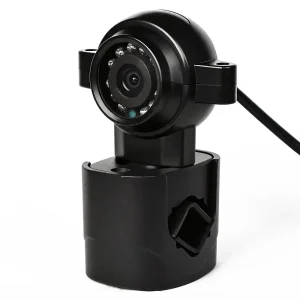
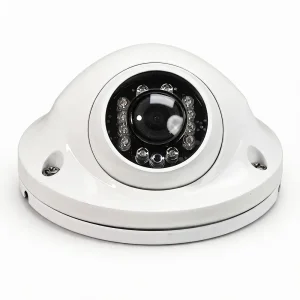
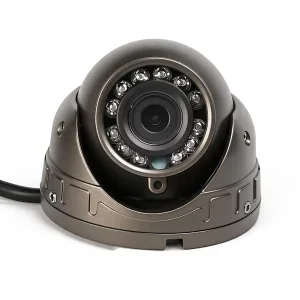
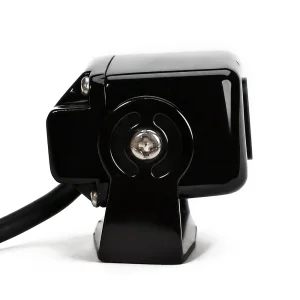
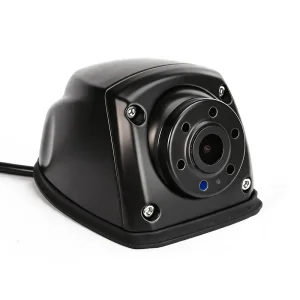
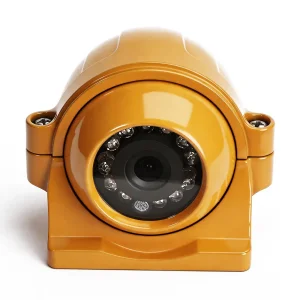
The global automotive industry is undergoing a paradigm shift. Advanced Driver Assistance Systems (ADAS), autonomous haulage, and commercial fleet telematics now demand continuous operation under extreme thermal and mechanical loads. As a leading ODM aluminum alloy car camera vendor, we observe a significant transition from traditional plastic enclosures to ruggedized metallic structural configurations.
Aluminum alloy (such as ADC12 and AL6061) is the materials of choice for modern external vehicular camera modules due to several key factors:
A deep dive into why enterprise automotive buyers and system integrators specify metallic camera bodies.
Sensors like the Sony IMX307 or starlight AHD architectures generate heat during continuous 1080P capture. Die-cast aluminum alloy conducts thermal energy rapidly away from the sensor board to the outer chassis, reducing image noise and preventing hot-pixel degradation in high-ambient environments.
Plastic housings can degrade, warp, or crack under intense UV radiation and extreme cold, leading to seal failure. Anodized aluminum enclosures maintain dimensional stability across a -40°C to +85°C operating range, facilitating a permanent hermetic seal that withstands high-pressure steam cleaning.
Aluminum alloy offers exceptional shielding properties against electromagnetic interference (EMI). This protects sensitive coax transmissions (like AHD/TVI) and digital LVDS links from vehicle engine noise, maintaining a stable, flicker-free real-time feed.
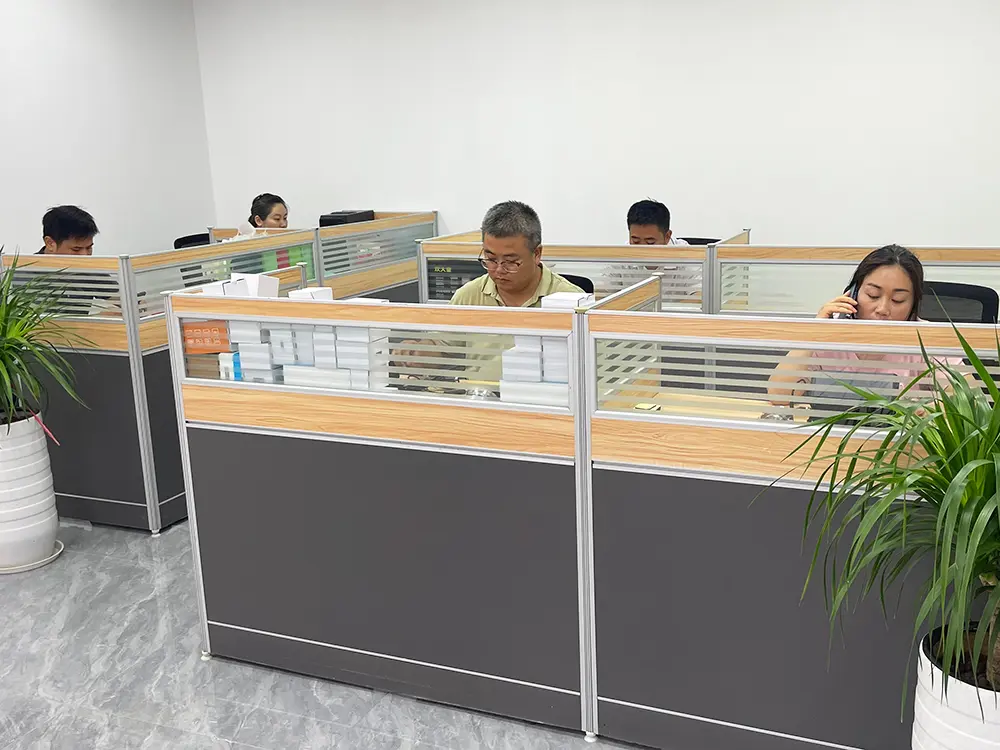
Located in the heart of China's automotive electronics industrial cluster, Xiyue Electronic Information Technology leverages mature local networks. This proximity allows us to rapidly prototype, source grade-A optoelectronic components, and scale production cost-effectively.
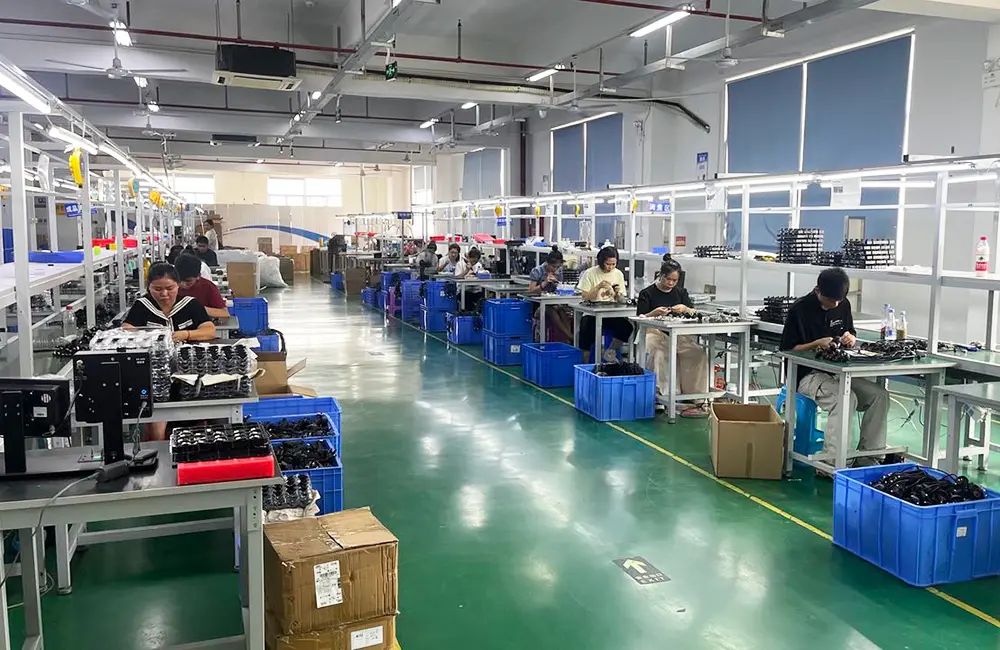
Our collaborative factory ecosystems integrate die-casting, CNC precision machining, surface anodization, SMT assembly, and optical calibration under centralized quality control protocols. This concentration of specialized processes allows us to offer shorter lead times and robust ODM customization support compared to competitors.
How our heavy-duty vehicular cameras solve real-world problems for fleets, transit authorities, and industrial operators globally.
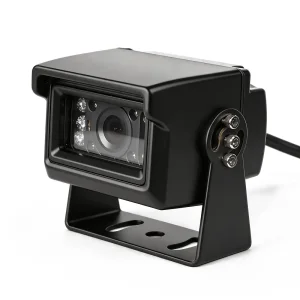
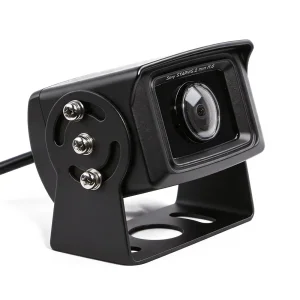
Long-haul trucks experience continuous vibrations, high speeds, and variable weather. Our aluminum side-view and rear-view cameras (e.g., XY-FS799 and XY-FS710) provide HD starlight blind-spot monitoring. Anodized surfaces resist road salt and chemical washes, ensuring long-term visibility and durability.
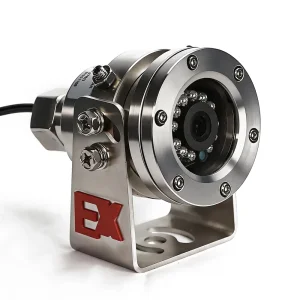
In chemical transport, mining, and oil & gas industries, camera components must not pose ignition risks. Our explosion-proof camera series (like the XY-FB6835 and XY-FB515) feature sealed, thick-walled aluminum alloy enclosures designed to contain internal sparks and withstand harsh external pressures.
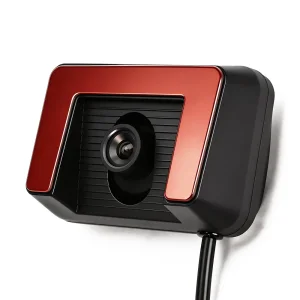
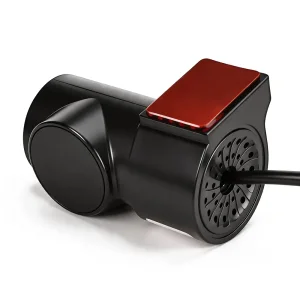
Integrating Advanced Driver Assistance Systems (ADAS) and Driver Monitoring Systems (DMS) requires compact, high-performance cameras. Models like the XY-DMS372 and XY-N7503-DMS capture high-frequency infrared and visible light images, facilitating real-time fatigue and distraction alerts.
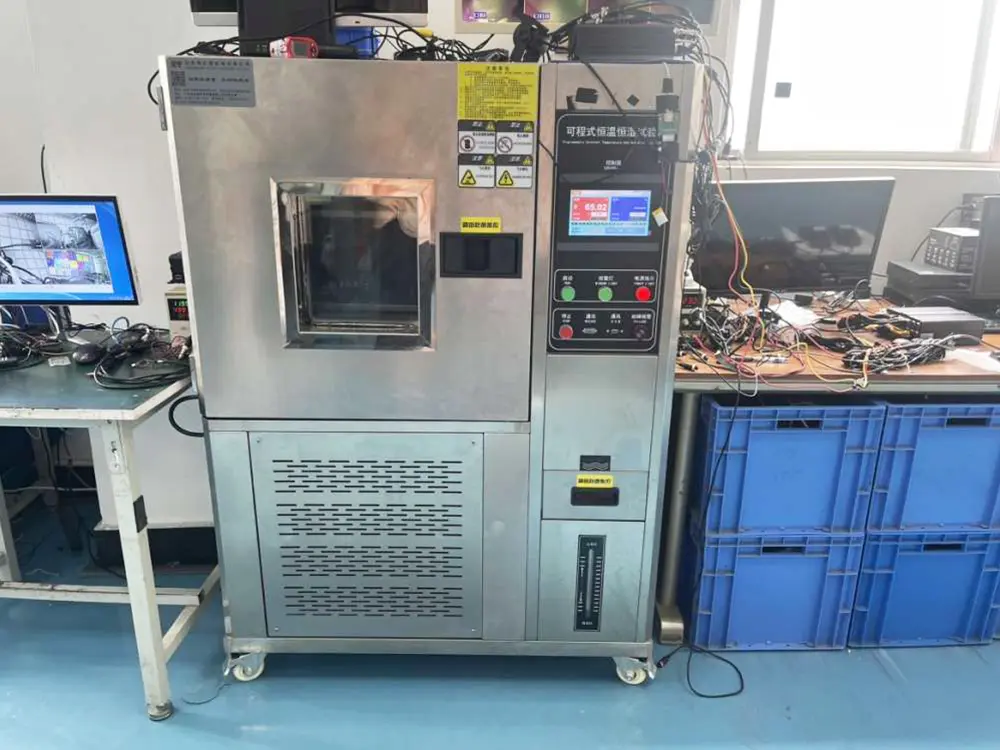
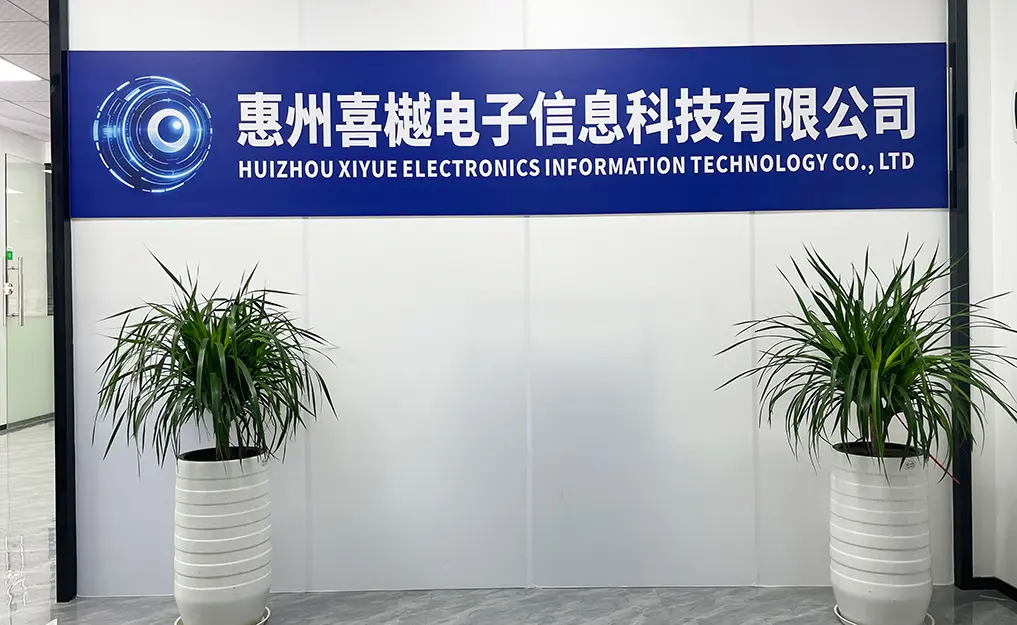
Xiyue Electronic Information Technology Co., Ltd. is a professional and reliable foreign trade enterprise focusing on global export of high-performance vehicle-mounted camera systems and full-series automotive electronic products. More than a mere product supplier, we serve as a long-term strategic procurement partner for global overseas buyers, focusing on simplifying cross-border procurement procedures and reducing overall purchasing costs for all clients.
We adhere to a one-stop comprehensive service mode, covering professional product recommendation, accurate quotation, OEM/neutral packaging customization, unified quality inspection, cross-border logistics and complete after-sales support. Our core mission is to provide worry-free, efficient and stable overall procurement solutions for global automotive electronics distributors, fleet companies and engineering equipment merchants.
Our engineering and manufacturing practices align with major global compliance standards, assuring reliability and trade readiness.
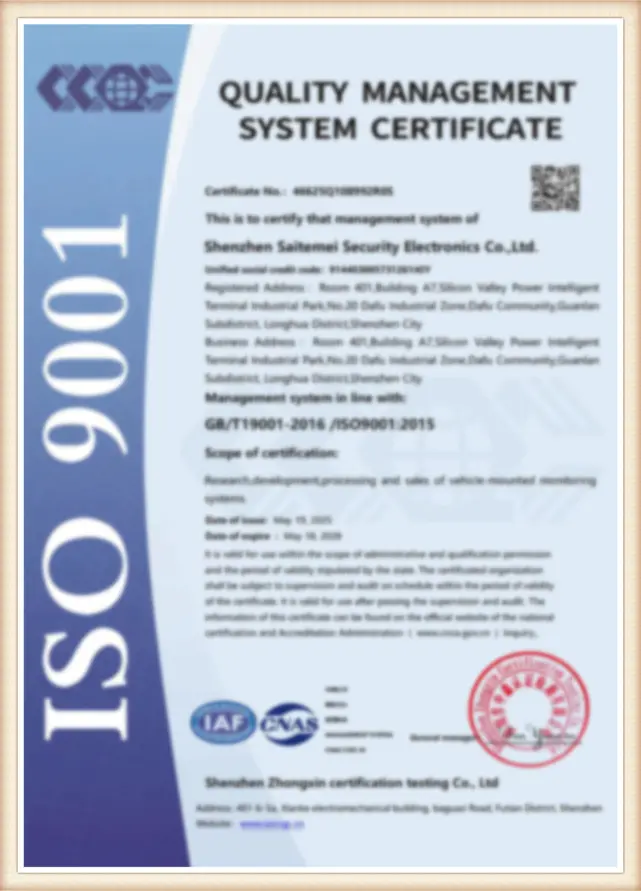
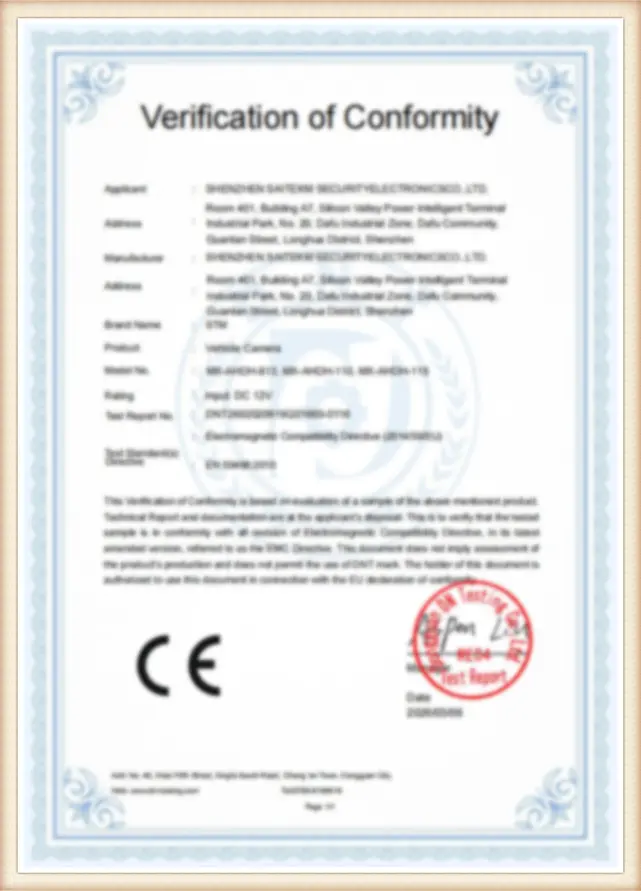
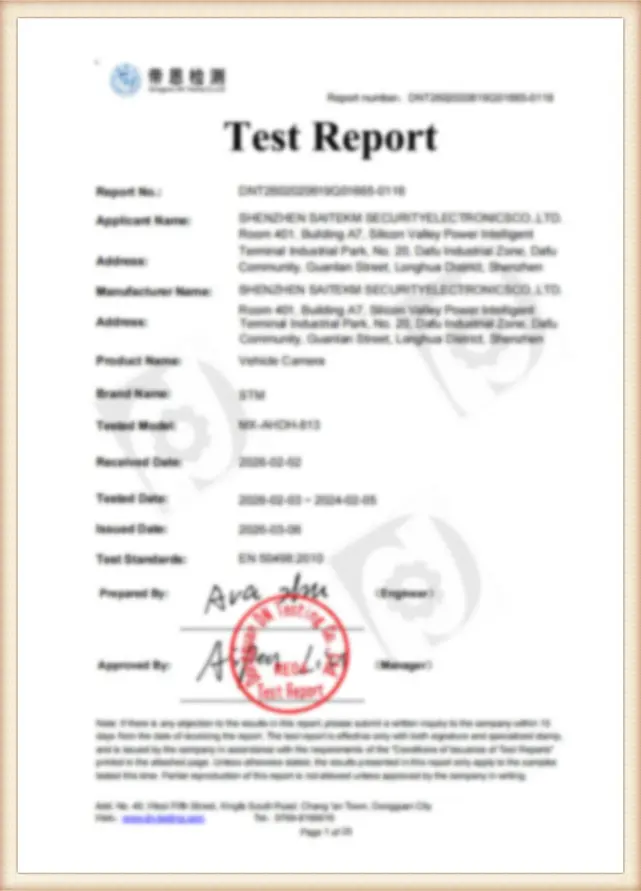
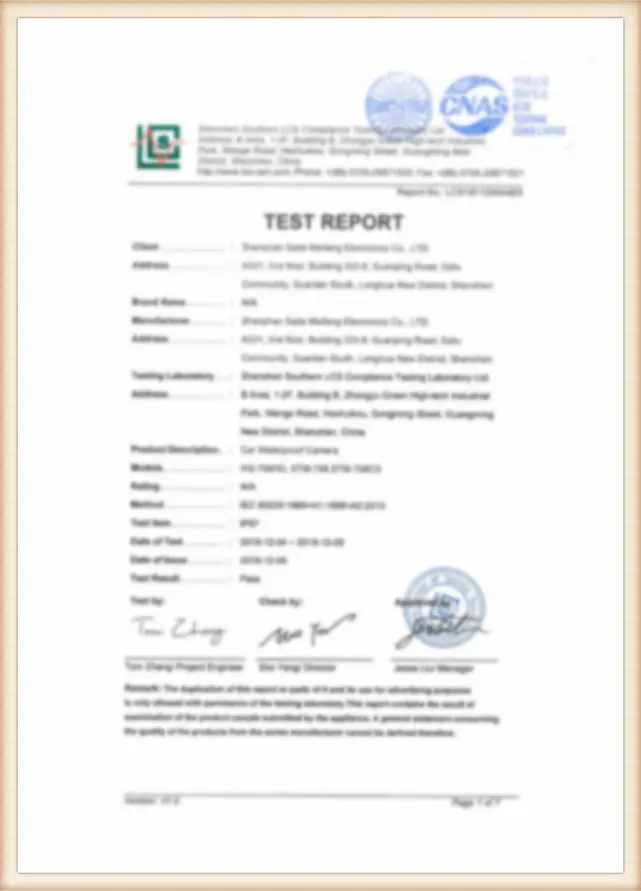
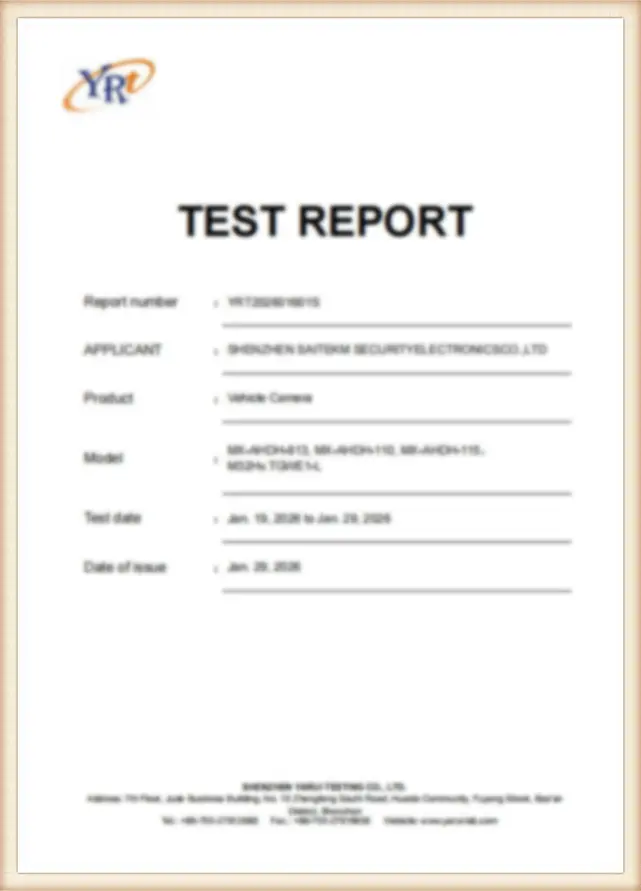
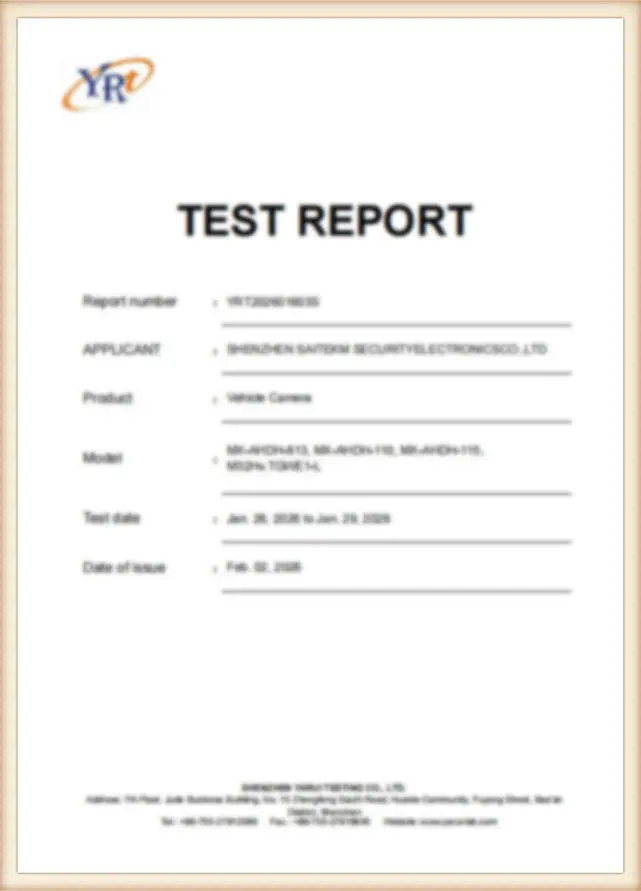
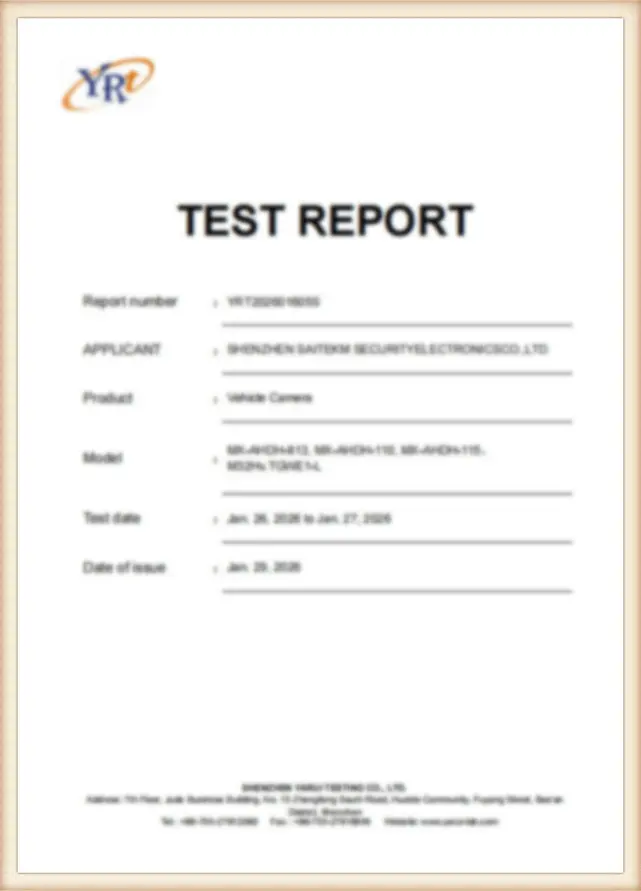
We develop and supply full-range automotive electronic safety products to improve driving safety and vehicle operation efficiency for passenger cars, commercial vehicles, engineering machinery and hazardous transport vehicles. Our complete product lineup covers:
Supported by China’s mature automotive electronics industrial cluster resources, we build a strict upstream manufacturer screening system. All cooperative factories pass unified quality compliance audit, with stable mass production capacity and punctual delivery capability. We integrate supply chain resources to provide flexible and efficient foreign trade services for global customers:
We balance high product cost performance and flexible service mechanism, helping global customers avoid supply chain risks and realize stable and worry-free long-term procurement.
Get professional answers to common technical queries regarding ODM vehicle camera specifications, materials, and custom manufacturing processes.
Aluminum alloy offers a balanced combination of structural strength, low density (light weight), and excellent thermal conductivity. While stainless steel is strong, it is heavy and has poor thermal conductivity. Polycarbonates (plastics) are light and cost-effective but degrade under UV light and have very low thermal dissipation rates. This can lead to sensor overheating and high image noise during continuous operation.
We primarily use ADC12 die-cast aluminum alloy for high-volume production housings and AL6061-T6 block aluminum for CNC-milled prototypes and specialized low-volume custom runs. The standard surface treatment is hard-anodization (often black or silver) followed by an anti-corrosion clear seal. This process protects the camera housing against oxidation, road salt, chemical exposure, and physical wear.
Our starlight series vehicle cameras use highly sensitive image sensors (such as Sony Starvis series or specialized OmniVision sensors) with a pixel size of 2.0µm or larger. In low-light environments (down to 0.001 Lux), the cameras capture colored, recognizable images without active IR illumination. For complete darkness (0 Lux), we integrate smart 850nm or 940nm infrared LED arrays to maintain clear monochrome visibility.
Yes. As a comprehensive OEM/ODM provider, we customize the ISP (Image Signal Processor) firmware to meet your project specifications. This includes modifying default mirroring behavior, configuring custom parking grid lines, integrating boot logos, and adjusting AGC (Auto Gain Control), WDR (Wide Dynamic Range), and white balance levels for specific target displays.
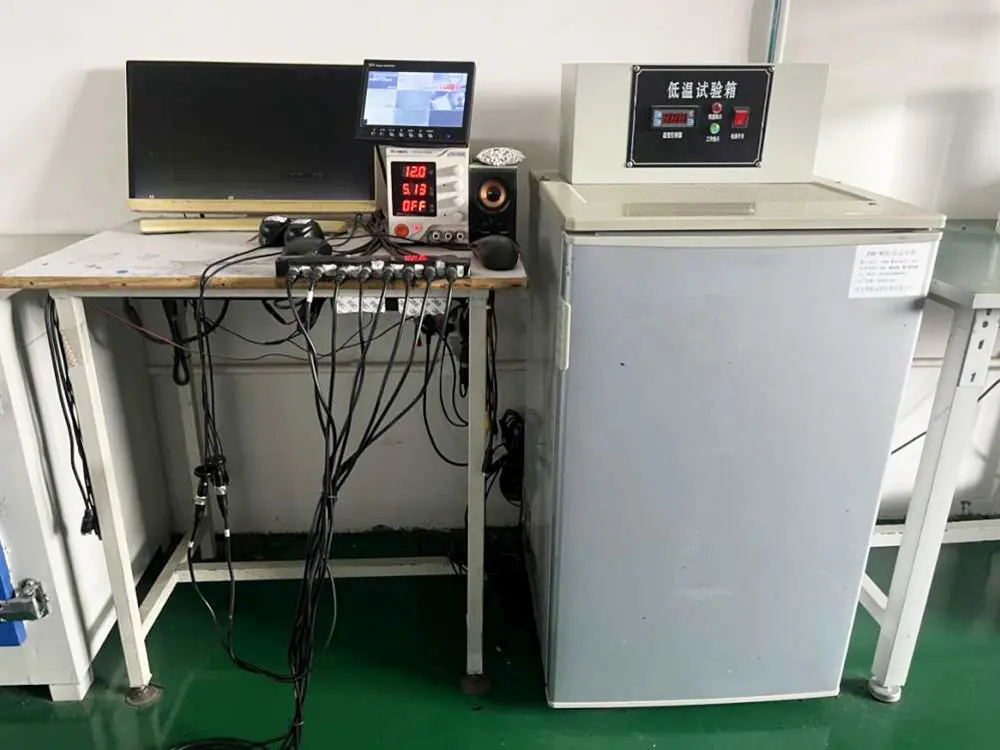
Every camera batch undergoes extensive testing. During assembly, we use custom silicone O-rings and high-performance industrial adhesives. Once assembled, we perform a 100% pressurized air leak test on the production line, followed by randomized water immersion tests (equivalent to IP67) and high-pressure hot-water jet tests (IP69K) in our quality assurance lab.
For standard modifications (like customized cable lengths, specific connectors, or laser-etched branding), the lead time is typically 10 to 15 days. For full ODM projects involving custom tooling for die-cast aluminum enclosures, mechanical layout adjustments, and PCB design, the timeline is approximately 35 to 50 days from initial design approval to functional sample delivery.
Explore our additional vehicle safety models, waterproof modules, and driver monitoring systems.
 Xiyue Electronics