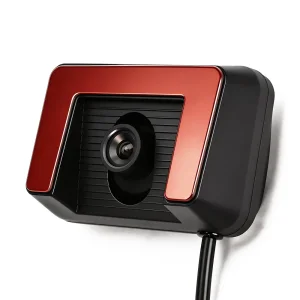
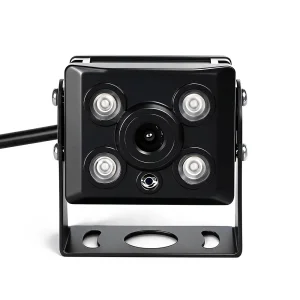
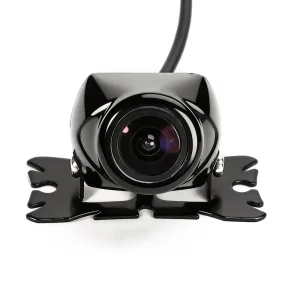
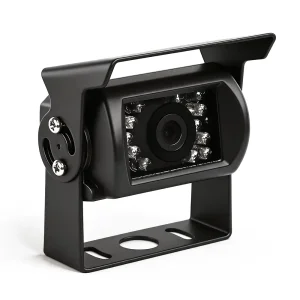
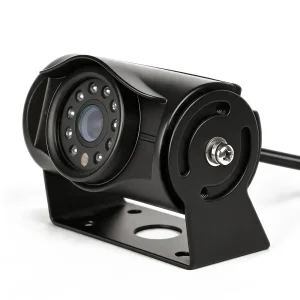
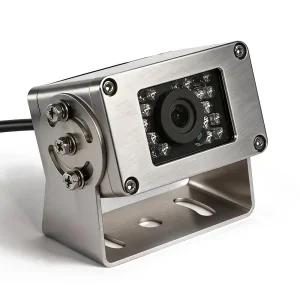
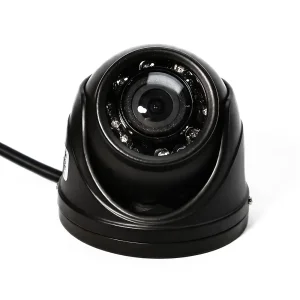
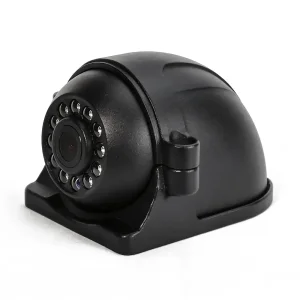
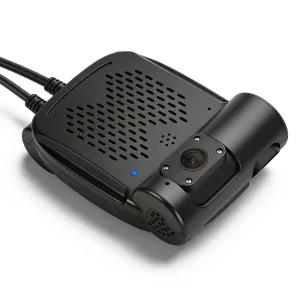
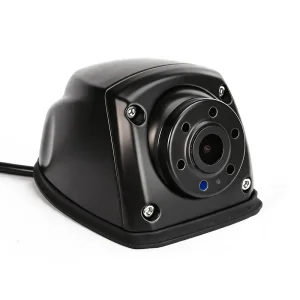
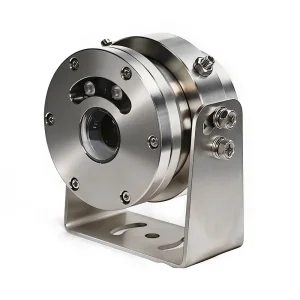
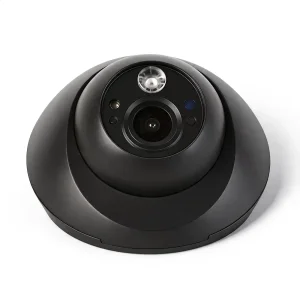
Explore our high-performance, starlight night vision, and ADAS-capable vehicle-mounted solutions engineered for rugged operating conditions.
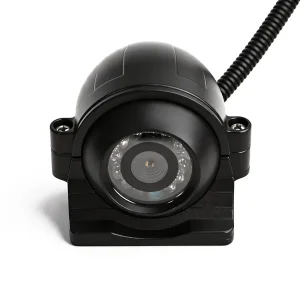
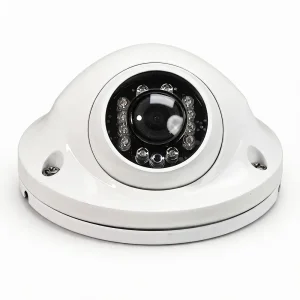
In vehicle-mounted vision systems, light glare is one of the most critical factors that can lead to safety failures. Glare is divided into two primary categories: disability glare (which impairs vision) and discomfort glare (which causes visual fatigue). For optical camera systems used in ADAS (Advanced Driver Assistance Systems) or fleet monitoring, light saturation caused by oncoming headlights, direct sunlight, or wet asphalt reflections can completely blind CMOS sensors, rendering artificial intelligence algorithms and human operators temporarily blind.
Our ODM Anti Glare Road Cameras utilize multi-exposure Wide Dynamic Range (WDR) sensors up to 120dB–140dB. By capturing multiple frames at different exposure times and combining them into a single frame, the ISP (Image Signal Processor) preserves critical details in both pitch-black shadowed regions and high-lux illuminated areas simultaneously.
Modern traffic signals and vehicle headlights use high-frequency LED light sources that pulse continuously. Standard automotive cameras register this as flickering, which confuses ADAS collision avoidance networks. Our ODM cameras incorporate dedicated LFM algorithms inside the sensor hardware to synchronize frame rates with pulsing light waves, providing clear, flicker-free telemetry.
Standard glass lenses create internal light bounce (lens flare) when hit by bright light sources. Our custom-designed ODM lenses feature proprietary chemical vapor deposition (CVD) coatings. This includes hydrophobic, anti-reflective, and infra-red cut filters that restrict stray light while maximizing the starlight illumination required for night surveillance.
By utilizing the strengths of the Pearl River Delta’s automotive electronics ecosystem, we provide unparalleled supply chain resilience and reliable device lifetimes.
Deploying vehicle hardware in North America, Europe, or Asia-Pacific requires deep understanding of localized road regulations and automotive electromagnetic and environmental certifications. A camera is not just an optical device; it is a critical safety node that must interoperate seamlessly with telematics platforms and power grids without causing RF interference.
For fleets operating across EU borders, cameras must comply with UN ECE Regulation 10 (R10) for electromagnetic compatibility (EMC) and Regulation 46 (R46) relating to indirect vision systems. Our manufacturing partners are audited to produce hardware that generates zero RF disturbances, ensuring compatibility with municipal buses, hazardous cargo haulers, and commercial vehicles.
In the US and Canada, electronic component emissions are strictly governed. Our ODM cameras feature FCC Part 15 subpart B compliance. Our software stacks integrate with widely used video telematics platforms and mobile DVRs via standard interfaces like AHD (Analog High Definition), TVI, and IP (TCP/IP) protocols, simplifying remote setup.
Enterprise customers require high security standards regarding chipsets. We work closely with clients to offer custom ODM layouts using non-NDAA restricted chipsets (such as Sony or OmniVision sensor elements combined with premium independent ISPs) to satisfy government procurement mandates and localized privacy rules.
Xiyue Electronic Information Technology Co., Ltd. is a professional and reliable foreign trade enterprise focusing on global export of high-performance vehicle-mounted camera systems and full-series automotive electronic products. More than a mere product supplier, we serve as a long-term strategic procurement partner for global overseas buyers, focusing on simplifying cross-border procurement procedures and reducing overall purchasing costs for all clients.
We adhere to a one-stop comprehensive service mode, covering professional product recommendation, accurate quotation, OEM/neutral packaging customization, unified quality inspection, cross-border logistics and complete after-sales support. Our core mission is to provide worry-free, efficient and stable overall procurement solutions for global automotive electronics distributors, fleet companies and engineering equipment merchants.

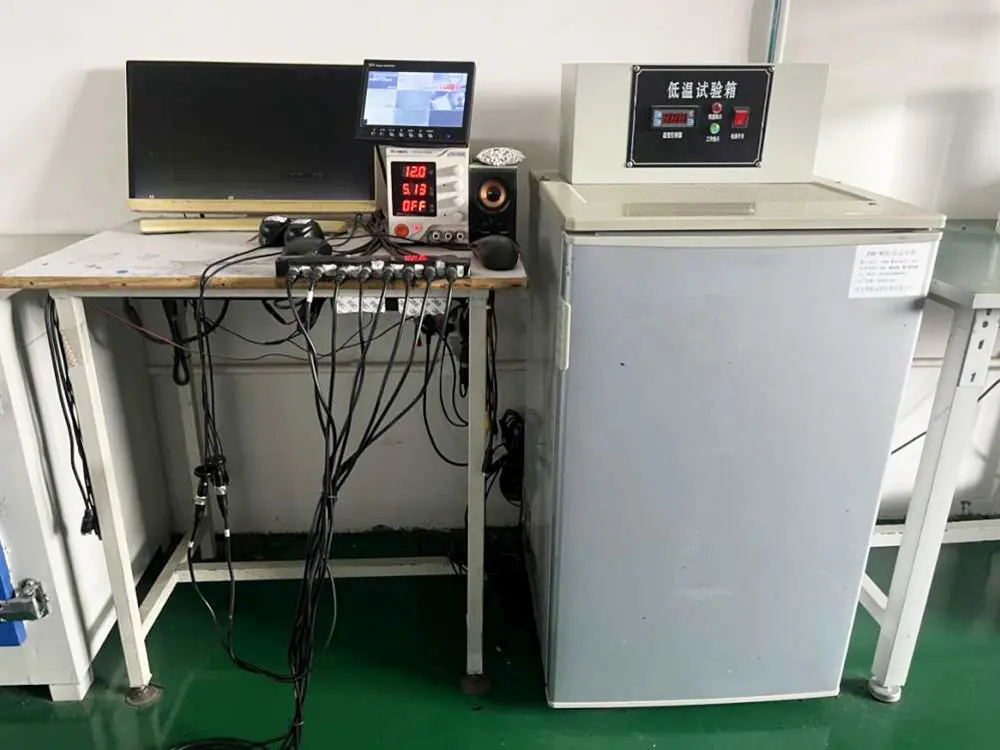
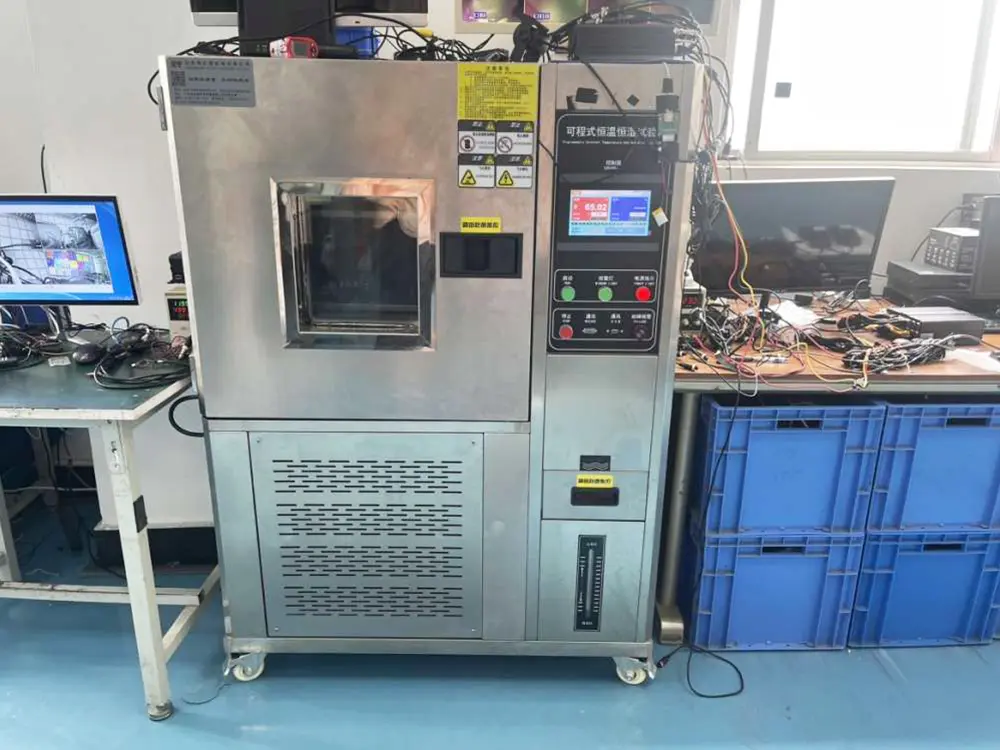
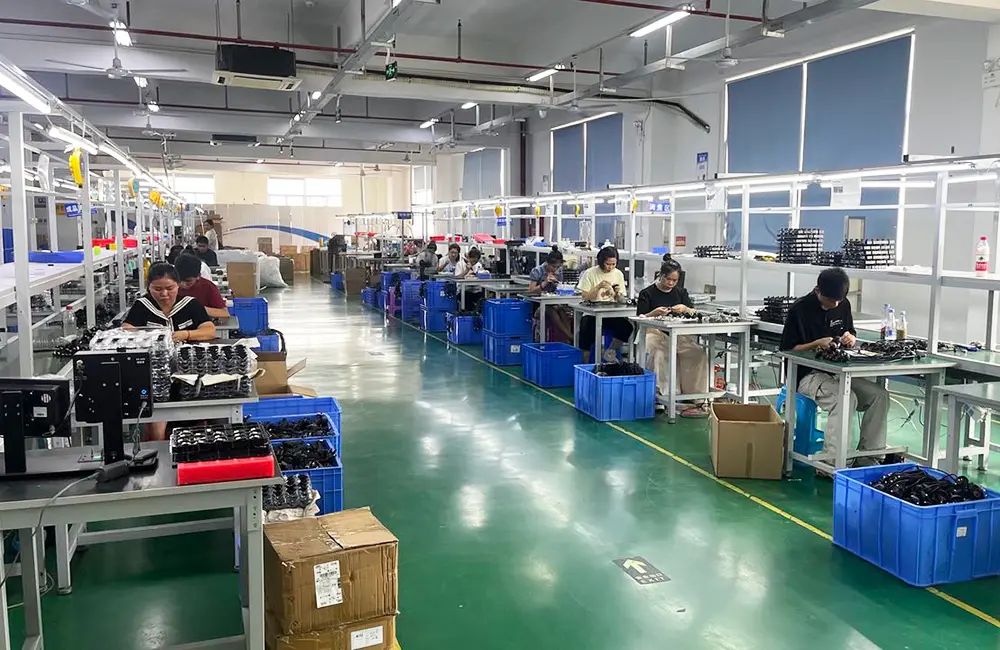
Our associated production plants have passed rigorous quality system reviews to ensure high yield rates and reliability.
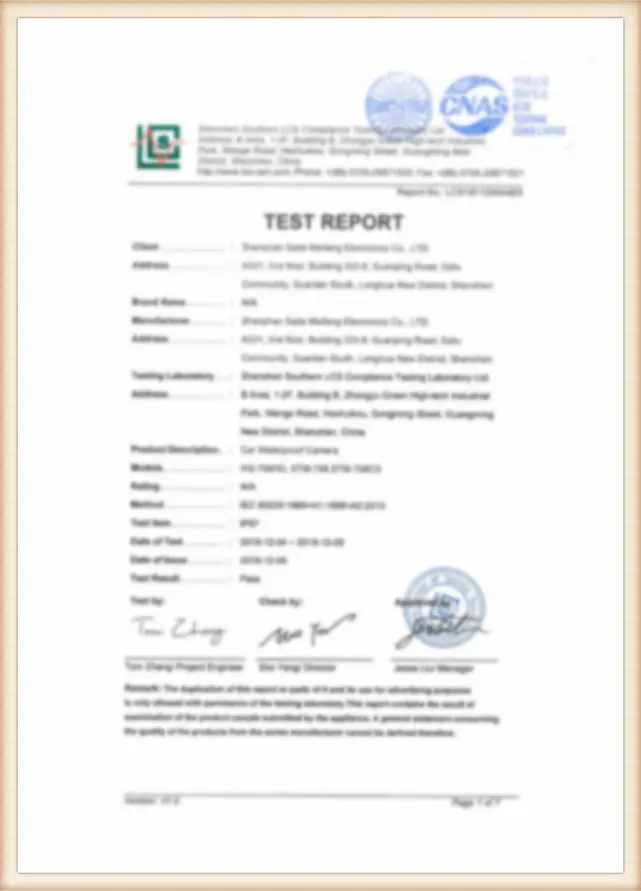
China produces over 80% of the world's automotive camera modules. Partnering with Xiyue allows international buyers to leverage this massive industrial ecosystem. Our production centers are situated at the nexus of the global electronics supply chain, giving us unmatched advantages in sourcing, rapid prototyping, and volume production.
By utilizing localized semiconductor packaging plants, we secure tier-one CMOS chips (Sony Starvis, OmniVision, Onsemi) directly from certified agents, avoiding long market lead times and maintaining lower component bill of materials (BOM) costs.
Every batch of ODM anti-glare cameras undergoes strict stress testing before shipping: thermal chambers (-40°C to +85°C), waterproof submersions (IP67/IP69K), multi-axis vibration benches simulating thousands of miles of rough road travel, and salt-fog machines for maritime transport protection.
From custom housing shapes to bespoke wiring harnesses (M12, aviation 4-pin, or RCA connectors) and customized firmware splash screens, we help you launch a highly targeted local product line with manageable minimum order quantities (MOQs).

For corporate procurement managers, fleet directors, and safety directors, buying road safety technology is an investment in risk mitigation. A failure in the field translates to immediate downtime, administrative costs, and potential liability. Our ODM anti-glare road cameras are built to minimize the TCO by optimizing three core metrics:
Using industrial-grade capacitors and automotive-grade voltage regulators, our cameras withstand severe vehicle voltage spikes (often seen in heavy trucks during start-up). This achieves a Mean Time Between Failures (MTBF) rating of over 50,000 operational hours.
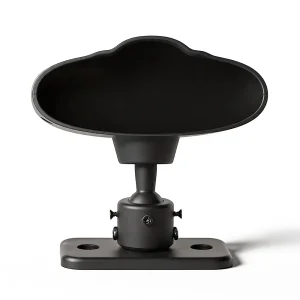
Reducing installer hours saves major overhead. We provide brackets designed for common windshield slopes, external side-body mounting, and heavy trailer mounts, alongside plug-and-play interfaces compatible with third-party DVR/telematics boxes.
With the transition to high-definition AI analytics, low-resolution analog cameras are obsolete. Our cameras support standard 1080P output with sub-100ms latency, ensuring your hardware works with current-generation and future AI DVR systems.
The automotive safety camera sector is shifting from basic record-keeping tools to active edge-computing platforms. Key trends driving the market forward include:
Modern cameras do not just capture video; they analyze the scene in real time. We are seeing high demand for cameras integrating Driver Monitoring System (DMS) analytics directly on-board, alert-triggering for distraction, fatigue, and mobile phone usage without draining central CPU power.
While AHD remains popular due to its cost efficiency, the industry is transitioning toward automotive Ethernet (such as 100BASE-T1) for raw, lossless digital video transmission. This protocol supports next-level autonomous driving algorithms and facilitates software-defined vehicle integration.
To operate in heavy dust, smoke, or dense fog, safety systems are moving toward multi-sensor fusion. Combining an ODM anti-glare camera with thermal sensors provides uninterrupted road visibility, preventing collisions in unpredictable off-road environments.
Our ODM Anti Glare Road Cameras are deployed in demanding industrial and transport applications worldwide. Here are three typical deployment environments:
Challenges: Intense airborne dust, constant high-frequency vibration, and harsh contrast between dark excavation pits and high-power spotlights.
Solution: IP69K explosion-proof cameras with 120dB WDR. High physical shock resistance keeps the camera housing intact, and anti-glare processing ensures operators can see hazards hidden in deep shadows.
Challenges: Highway glare during sunrise and sunset, headlight glare from oncoming vehicles at night, and rapid weather shifts from heavy rain to bright sunshine.
Solution: Front windshield ADAS cameras paired with high-performance anti-glare optical coatings. The camera maintains clear lane detection and forward-collision warning performance, preventing false alerts.
Challenges: Constantly changing street lights, neon sign reflections, and pedestrians stepping into blind spots under dynamic illumination.
Solution: Starlight night vision exterior cameras. The rapid ISP response adjustment adapts to sudden lighting changes as buses transition between dark side streets and bright main avenues.
Answers to critical technical and procurement questions for logistics managers and design engineers.
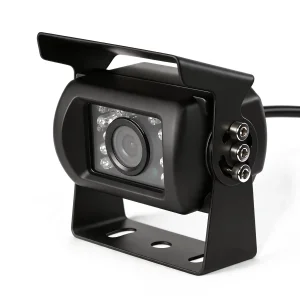
Select from our premium vehicle-mounted safety camera systems designed to support dynamic fleet requirements worldwide.
 Xiyue Electronics