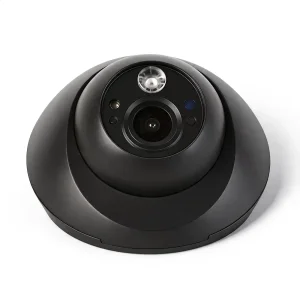
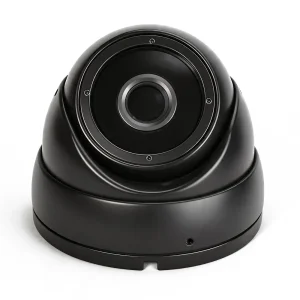
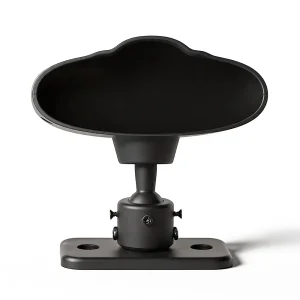
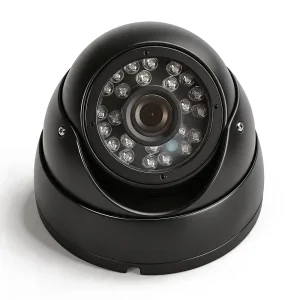
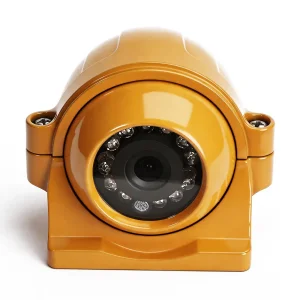
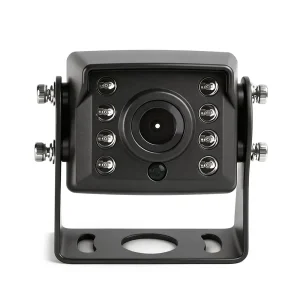
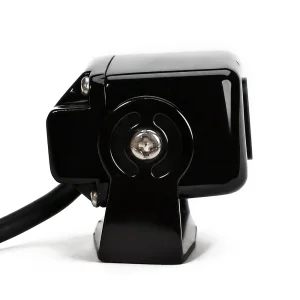
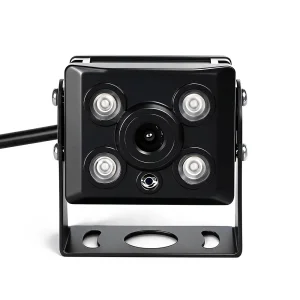
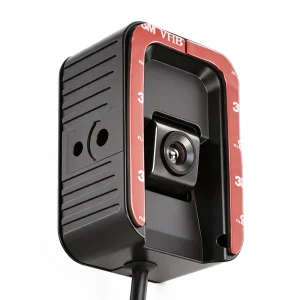
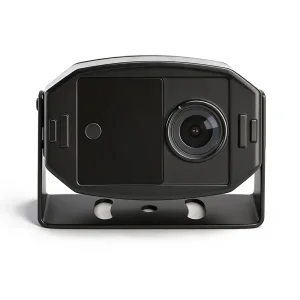
Industrial performance engineered for heavy-duty fleet integration, boasting starlight night vision and high-durability enclosures.
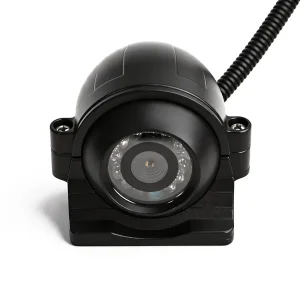
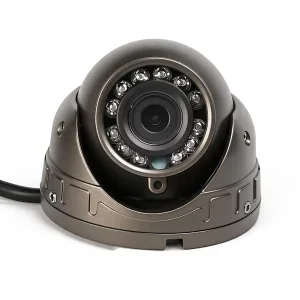
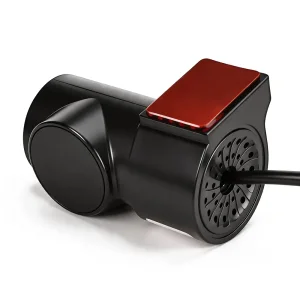
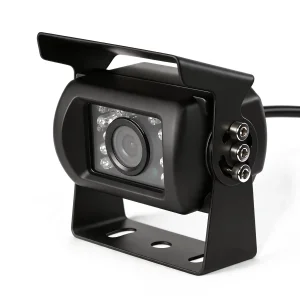
Understanding the critical role of 4-pin aviation connectivity in modern commercial transport and industrial safety sectors.
The global commercial automotive ecosystem is undergoing a rapid transition toward digital safety and intelligent automation. At the center of this transformation lies the 4-pin aviation camera. Unlike consumer-grade vehicle monitoring cameras that rely on fragile BNC or RCA connectors, industrial-grade applications demand robust, vibration-resistant, and completely waterproof connections. The M12 threaded 4-pin connection architecture has become the undisputed global standard for vehicle telemetry, providing power, ground, video, and audio/trigger signals through a single armored cable run.
Market studies indicate that the demand for high-reliability mobile surveillance systems is expanding beyond basic transit monitoring. Today, fleet operators, logistics conglomerates, and regulatory bodies in North America, Europe, and Asia-Pacific mandate robust visual assistance systems to eliminate blind spots, monitor driver alertness (DMS), and document incident evidence. In heavy-duty industries like mining, infrastructure, and chemical transportation, standard interfaces disintegrate under physical strain, high humidity, and extreme thermal cycling. Sourcing from experienced OEM 4pin aviation camera factories is no longer just a purchasing decision—it is a core risk mitigation strategy.
A comprehensive overview of engineering parameters that set premium OEM cameras apart from low-tier units.
The lock-nut design prevents physical detachment from road vibrations. Power, video signal, ground, and audio lines are shielded independently inside the sheath to prevent electromagnetic interference (EMI).
Utilizing high-sensitivity Sony IMX sensor matrices paired with advanced Nextchip DSPs, capturing full-color high-definition footage in light levels as low as 0.001 Lux without active IR grain.
True hardware WDR (Wide Dynamic Range) processes high-contrast environments, such as exiting dark cargo bays or tunnels directly into intense sunlight, without image overexposure.
Industrial-grade vehicle cabling runs are subjected to immense mechanical wear, chemical exposure, and temperature changes. 4-pin aviation cables employ thick copper conductors wrapped in dense aluminum foil shielding and a copper-braided mesh. This architecture eliminates video ghosting, cross-talk, and signal degradation over cable lengths extending up to 30 meters. By carrying DC power directly from the MDVR (Mobile Digital Video Recorder) to the camera, it eliminates the need for localized vehicle power tapping, reducing installation complexity and points of failure.
How component choices, testing protocols, and volume structures dictate wholesale market costs.
Understanding pricing in the OEM 4pin aviation camera market requires breaking down manufacturing costs. When importing from China’s key automotive electronics clusters, pricing is driven by three main cost centers: core electronics, mechanical construction, and quality compliance testing.
1. Sensor & Processor Combinations (The Core): The choice of sensor and digital signal processor (DSP) represents roughly 45% of the camera’s production cost. High-end Sony Starvis IMX307 sensors combined with Nextchip ISP processors demand a premium because of their night-vision capabilities and frame-rate stability. Entry-level sensors from GalaxyCore or OmniVision cost significantly less but perform poorly in low light.
2. Optical Element Assemblies: Quality lenses are constructed with multi-layered glass (e.g., 4G or 6G glass lenses). Cheap alternatives use plastic elements which degrade over time, yellow under UV exposure, and lose focus in high engine-compartment temperatures.
3. Enclosure Integrity: Exterior-mounted hardware must survive high-pressure power washing (IP69K rating). Premium factories use ADC12 grade die-cast aluminum alloys treated with anti-corrosion powders. The gaskets and double-stage sealing rings prevent moisture ingress under vacuum conditions during thermal expansion.
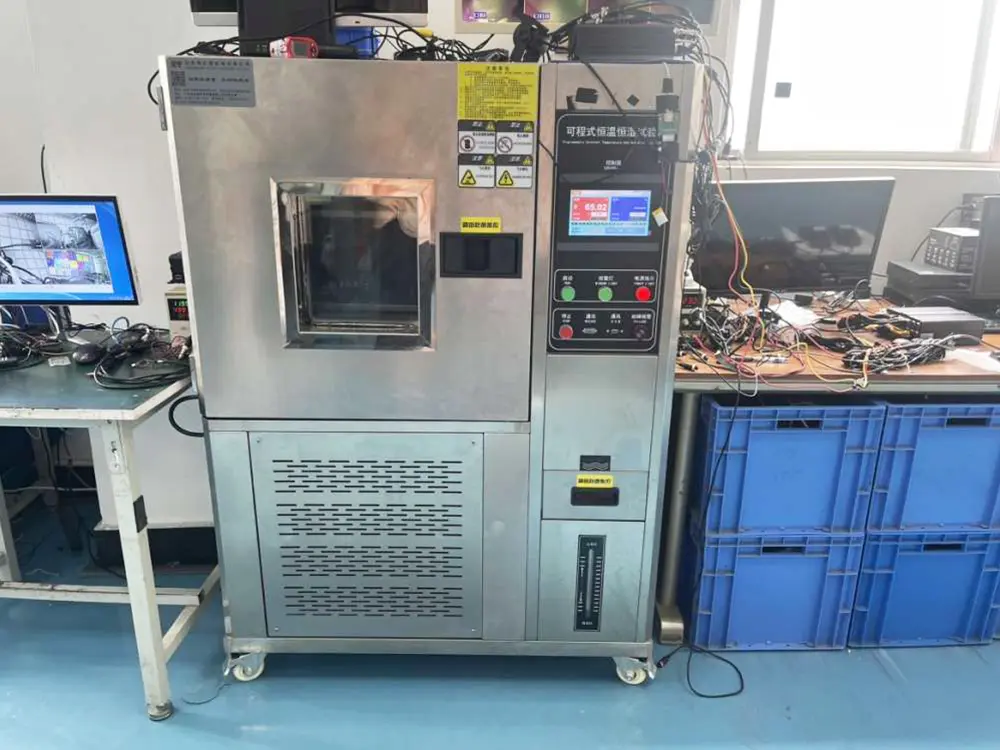
4. Testing Protocol Rigor: Reliable factories subject production batches to salt spray testing (for marine/winter road usage), high-amplitude vibration tables (simulating miles of gravel road transit), and thermal chambers (-40°C to +85°C). Skipping these protocols saves production costs but increases warranty return rates for importers.
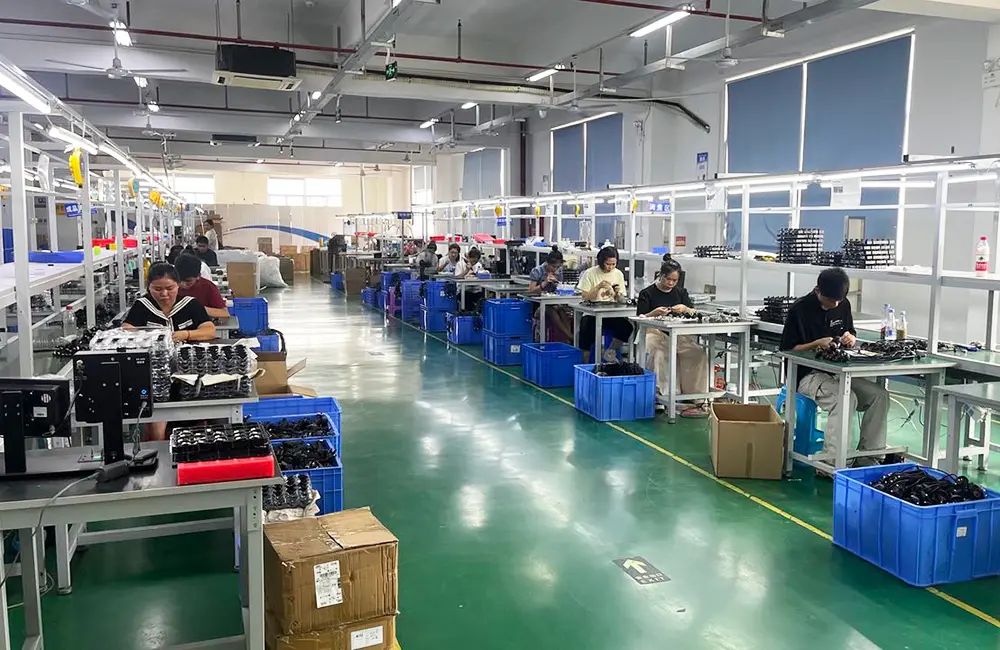
Xiyue Electronic Information Technology Co., Ltd. is a professional and reliable foreign trade enterprise focusing on global export of high-performance vehicle-mounted camera systems and full-series automotive electronic products. More than a mere product supplier, we serve as a long-term strategic procurement partner for global overseas buyers, focusing on simplifying cross-border procurement procedures and reducing overall purchasing costs for all clients.
We adhere to a one-stop comprehensive service mode, covering professional product recommendation, accurate quotation, OEM/neutral packaging customization, unified quality inspection, cross-border logistics and complete after-sales support. Our core mission is to provide worry-free, efficient and stable overall procurement solutions for global automotive electronics distributors, fleet companies and engineering equipment merchants.

We develop and supply full-range automotive electronic safety products to improve driving safety and vehicle operation efficiency for passenger cars, commercial vehicles, engineering machinery and hazardous transport vehicles. Our complete product lineup covers:
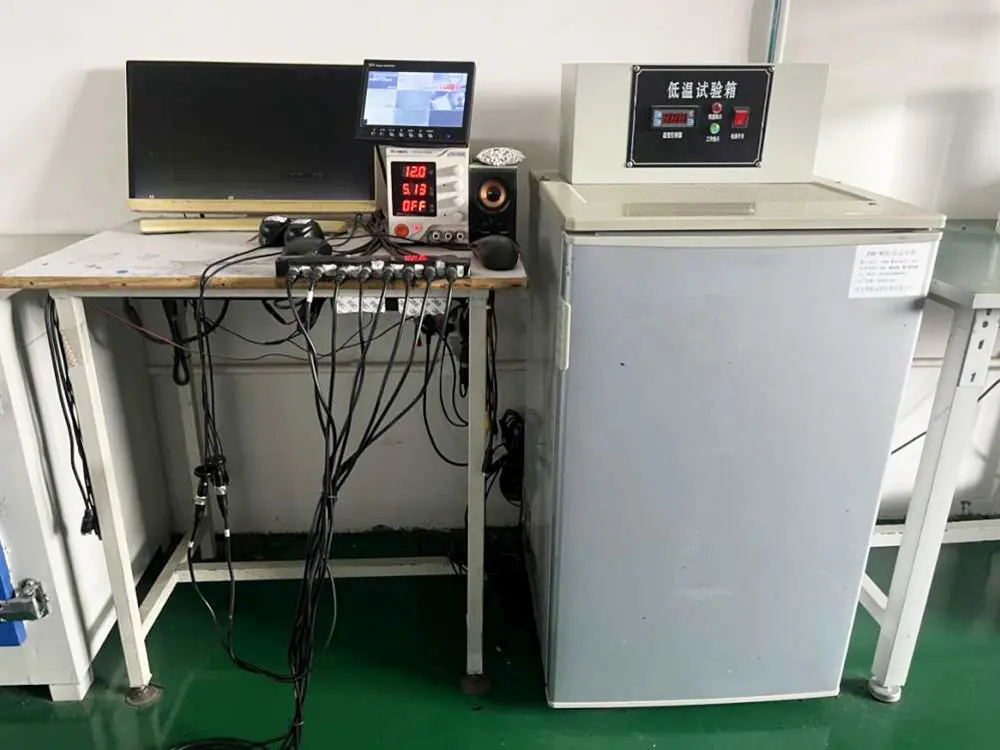
Supported by China’s mature automotive electronics industrial cluster resources, we build a strict upstream manufacturer screening system. All cooperative factories pass unified quality compliance audits, with stable mass production capacity and punctual delivery capability. We integrate supply chain resources to provide flexible and efficient foreign trade services for global customers:
Support in-stock quick delivery orders and customized agent procurement orders
24-hour online support, fast and precise official quotation with detailed parameter sheets
Provide neutral white box packaging, logo printing, exclusive OEM software and hardware customization
Accept small-batch trial orders and large-batch bulk orders, with short production lead time
Integrated logistics arrangement, customs clearance assistance and full-cycle after-sales tracking
Compliant with international regulatory frameworks, confirming our focus on global quality export standards.


Deploying specialized 4-pin surveillance configurations across diverse commercial sectors.
Heavy machinery operates in high-dust, high-shock, and abrasive environments. Sourcing cameras with specialized 4-pin screw-lock connectors prevents mechanical detachment caused by industrial vibration. These installations use rugged side-view and rear-facing cameras with IP69K sealing to withstand high-pressure washing. Sourcing systems with integrated heaters prevents lens condensation, keeping sightlines clear in cold conditions.
Long-haul trucks and hazardous chemical transport require 360-degree blind-spot coverage. Sourcing configurations that integrate side-mounted 4-pin AHD cameras with ADAS (Advanced Driver Assistance Systems) helps identify lanes and pedestrians, while interior DMS (Driver Monitoring System) cameras track signs of driver fatigue. Sourcing explosion-proof camera enclosures and shielded cabling ensures signal transmission remains reliable, even in environments with combustible vapors.
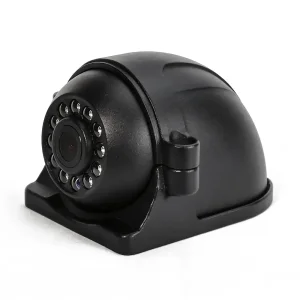
Passenger safety requires simultaneous recording of internal cabins and external blind spots. Integrators use metal dome interior cameras to resist vandalism and damage in high-traffic cabins. These setups route up to eight interior and exterior cameras to a central multi-channel MDVR, providing fleet managers with real-time video streaming, GPS tracking, and automated event uploading over 4G/5G networks.
Anticipating the technological transitions within the commercial vehicle camera sector over the next 5 years.
The industrial vehicle vision market is moving from legacy analog high-definition architectures toward digital networking. Key development trends include:
While analog AHD remains a cost-effective choice for standard cargo trucks, next-generation autonomous fleets are transitioning to GMSL (Gigabit Multimedia Serial Link) and Automotive Ethernet. These digital architectures provide the raw bandwidth needed for higher resolutions (4K) and lower latency, supporting real-time edge processing for AI-driven object detection.
Modern vehicle cameras are shifting from simple capture devices to smart sensor nodes. Integrating micro-neural processing units (NPUs) directly into the camera module allows it to run lightweight object detection models at the source. This helps detect nearby obstacles and pedestrians, alerting the driver instantly without relying on a centralized ADAS box.
Fleet operators will continue to run mixed-technology setups for the foreseeable future. Standardizing fleet hardware on 4-pin connectors allows adapters to bridge legacy AHD systems and new digital MDVRs. This transition path helps logistics operations modernize their equipment gradually, avoiding the high cost of complete system upgrades.
Answers to common technical, logistics, and sourcing questions about 4-pin aviation cameras.
Standard M12 4-pin connectors carry 12V/24V DC Power (Pin 1), Ground (Pin 2), Video Signal (Pin 3), and Audio/Trigger Signal (Pin 4). Shielding runs along the outer jacket to isolate electromagnetic noise.
Threaded 4-pin connectors lock securely to prevent loosening under heavy vibration. They also consolidate power, ground, and video signals into a single cable, simplifying installation and protecting the connection from moisture.
Premium sensors like the Sony Starvis series offer better low-light performance but increase costs. Entry-level sensors cost less but suffer from graininess and loss of detail in dark environments.
For European markets, CE certification and E-Mark (ECE R10) electromagnetic compatibility testing are standard. US and Canadian installations typically require FCC compliance.
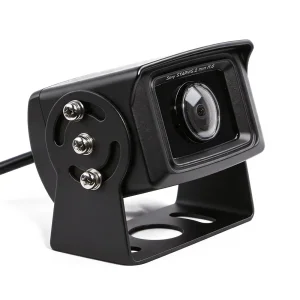
Select specialized hardware solutions for exterior monitoring, wide-angle views, and driver alert systems.
 Xiyue Electronics