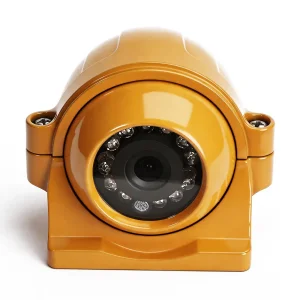
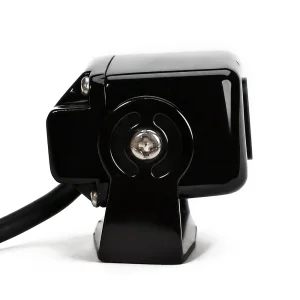
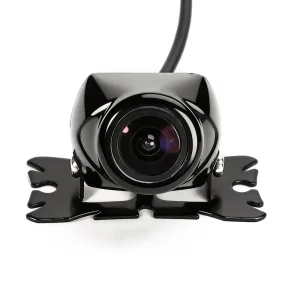
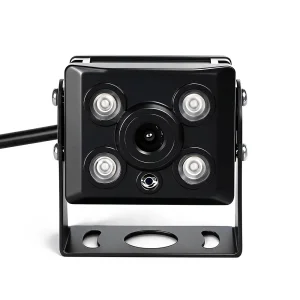
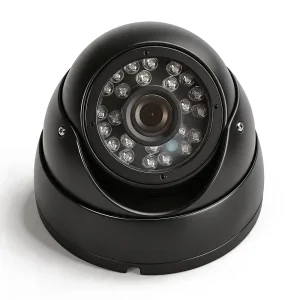
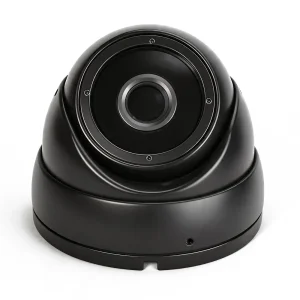
High-performance imaging solutions engineered for commercial fleets, logistics, and municipal transit in the Seoul Capital Area.
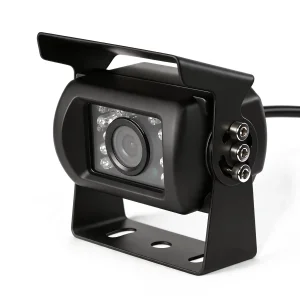
How high-density logistics, strict government mandates, and the shift to autonomous systems drive need for automotive cameras.
The Seoul Metropolitan Area is home to over 25 million people and serves as a global testing ground for intelligent transport systems (ITS). To optimize urban transit, the Seoul Metropolitan Government has introduced strict compliance requirements for commercial vehicle safety. High-definition vehicle-mounted cameras are no longer just basic recording equipment; they are essential nodes in Seoul's massive network of connected vehicles.
Under the national Korea Transportation Safety Authority (TS) guidelines, logistics fleets, heavy dump trucks, public buses, and waste management vehicles must be equipped with advanced driver assistance systems (ADAS) and blind-spot detection (BSD) cameras. Additionally, the rapid rollout of autonomous taxi zones in Sangam-dong and Gangnam-gu requires high-fidelity, low-latency cameras that interface seamlessly with local V2X (Vehicle-to-Everything) infrastructure.
For Seoul-based wholesalers and system integrators, procuring ruggedized, starlight-level night vision camera sensors is critical. The high contrast of urban neon signs, dark residential alleys, and wet road surfaces during the monsoon season demands specialized camera hardware that can dynamically handle extreme lighting transitions.
Custom solutions targeting specific transit routes, commercial demands, and regulatory environments in South Korea.
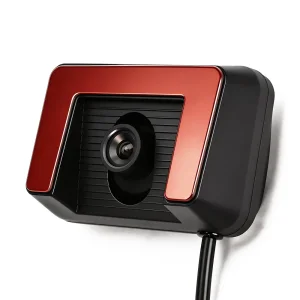
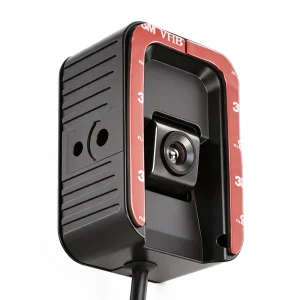
The rise of e-commerce delivery networks across Seoul (such as Coupang's overnight "Rocket Delivery") has increased the demand for rugged exterior cameras. Vehicles maneuvering through narrow, steep streets in districts like Mapo-gu require wide-angle 1080P exterior side and rear cameras to prevent collisions with pedestrians, scooters, and parked cars.
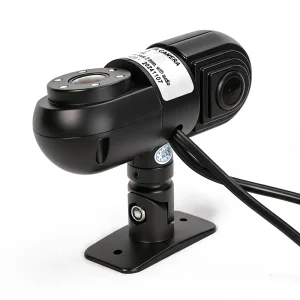
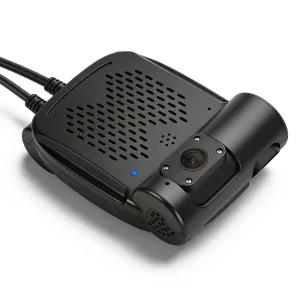
Long-distance intercity express buses linking Seoul Station or Gangnam Express Bus Terminal to Gyeonggi Province rely on Driver Monitoring Systems (DMS). Using starlight-level cabin cameras equipped with infrared illumination, transport companies can monitor driver fatigue, distraction, and phone use in real-time, greatly lowering highway accident rates.
Urban redevelopment projects in districts like Magok and Eunpyeong require heavy dump trucks and concrete mixers to feature 360-degree bird's-eye view monitoring. IP69K waterproof rating, shockproof aluminum alloy housings, and anti-corrosive coatings are essential requirements for cameras used in these heavy-duty industrial applications.
The evolution from Analog High Definition (AHD) to AI-powered optical networks and edge-computing vision systems.
The automotive camera market is undergoing a structural shift. While Analog High Definition (AHD) remains the dominant choice for cost-conscious, long-cable heavy commercial installations due to its stability, zero latency, and lower installation costs, the industry is transitioning toward digital systems.
Leading fleet operators in Seoul are starting to adopt Automotive Ethernet (BroadR-Reach) and GMSL (Gigabit Multimedia Serial Link) interfaces. These technologies support the high bandwidth required for AI-powered ADAS processors, allowing for real-time edge processing of objects, pedestrians, and lanes. Our technical roadmap focuses on integrating neural processing units (NPU) directly inside camera modules, enabling on-device object classification and lowering the CPU load of central Mobile DVRs (MDVRs).
Furthermore, sensor fusion—combining high-resolution CMOS optical sensors with localized radar or LiDAR—represents the future of commercial vehicle safety. This combination ensures perfect visual accuracy in heavy rain, dense snow, or underground parking structures where GPS signals fail.
Leveraging manufacturing scale, geographic proximity, and efficient shipping networks to ensure supply chain reliability.
Our supply chain uses fast sea-freight routes from Shandong/Shenzhen directly to Incheon Port. Normal shipping transit takes only 24 to 48 hours, enabling near-immediate replenishment of inventory for major distributors in Seoul.
By centering our manufacturing in China's leading automotive electronics cluster, we secure high-quality raw materials at competitive rates. We work closely with top-tier optical lens manufacturers and semiconductor suppliers to source key components like Sony IMX Starvis sensors and Nextchip ISPs.
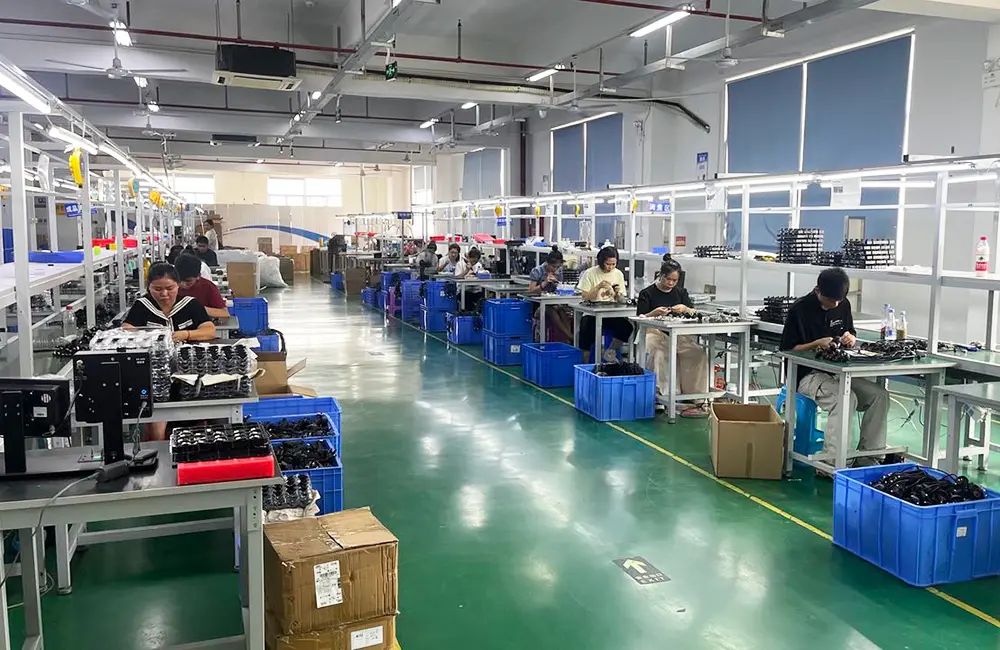
This concentrated ecosystem allows us to support highly customizable production runs. Whether you need custom wire harness lengths, specialized connector types (e.g., M12 aviation plugs or BMW connectors), or custom firmware settings, our engineering team can produce and ship prototypes in as little as 7 to 10 days.
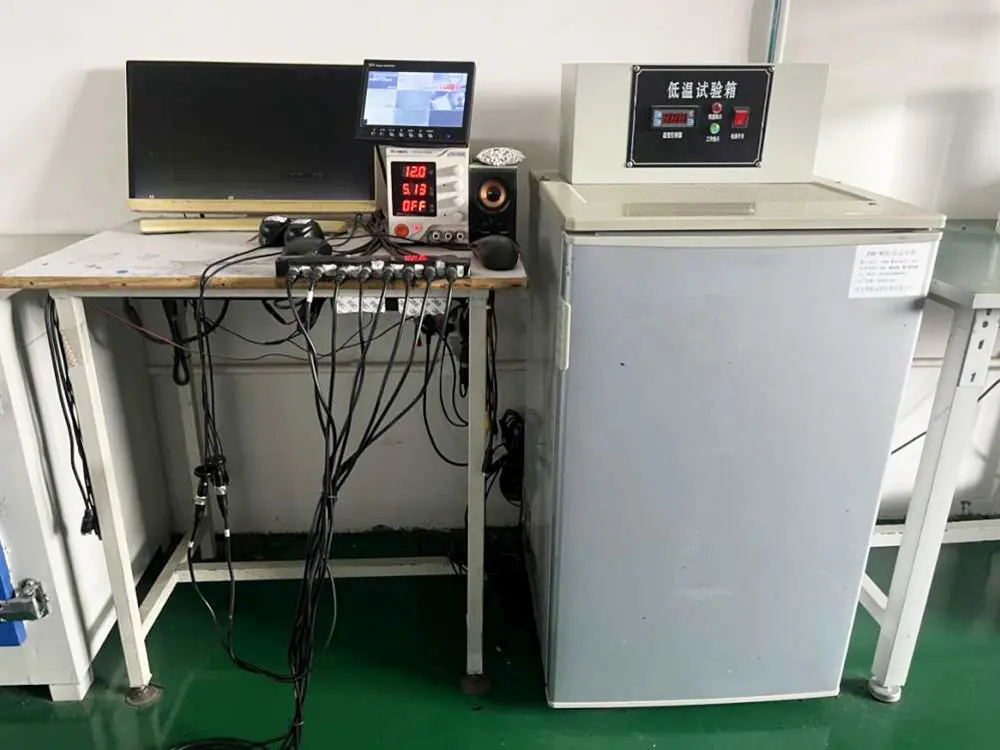
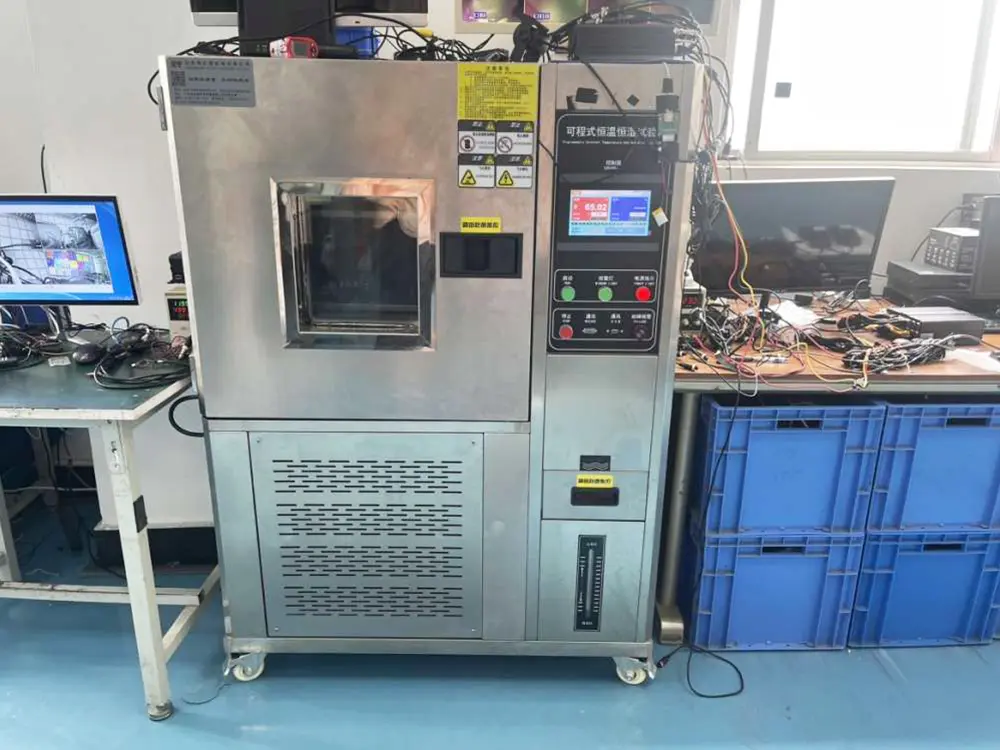
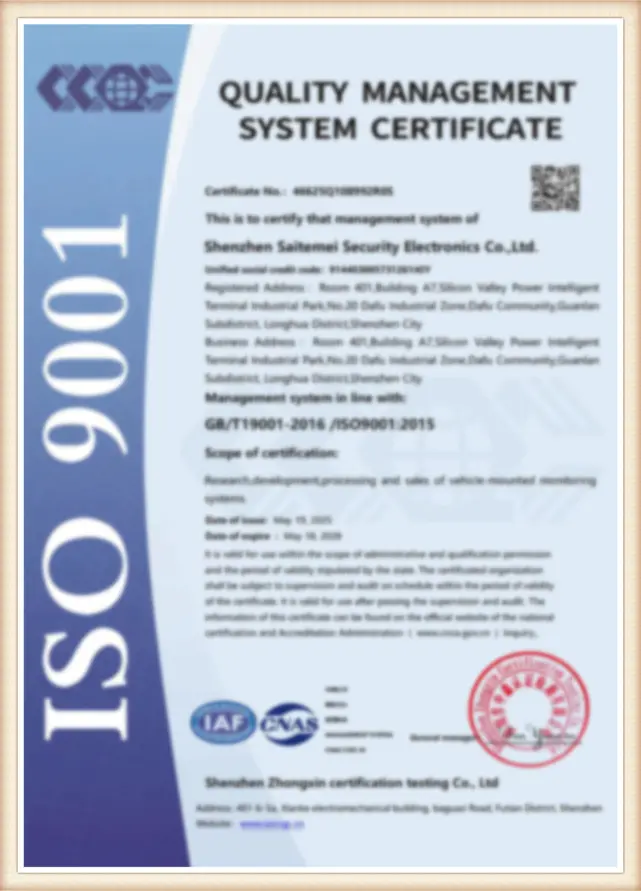
Strict Quality Standards: We operate in compliance with ISO 9001:2015 quality management standards. Every single camera module undergoes rigorous testing, including:
Xiyue Electronic Information Technology Co., Ltd. — Your Trusted Automotive Vision Partner
Xiyue Electronic Information Technology Co., Ltd. is a professional and reliable foreign trade enterprise focusing on global export of high-performance vehicle-mounted camera systems and full-series automotive electronic products. More than a mere product supplier, we serve as a long-term strategic procurement partner for global overseas buyers, focusing on simplifying cross-border procurement procedures and reducing overall purchasing costs for all clients.
We adhere to a one-stop comprehensive service mode, covering professional product recommendation, accurate quotation, OEM/neutral packaging customization, unified quality inspection, cross-border logistics and complete after-sales support. Our core mission is to provide worry-free, efficient and stable overall procurement solutions for global automotive electronics distributors, fleet companies and engineering equipment merchants.
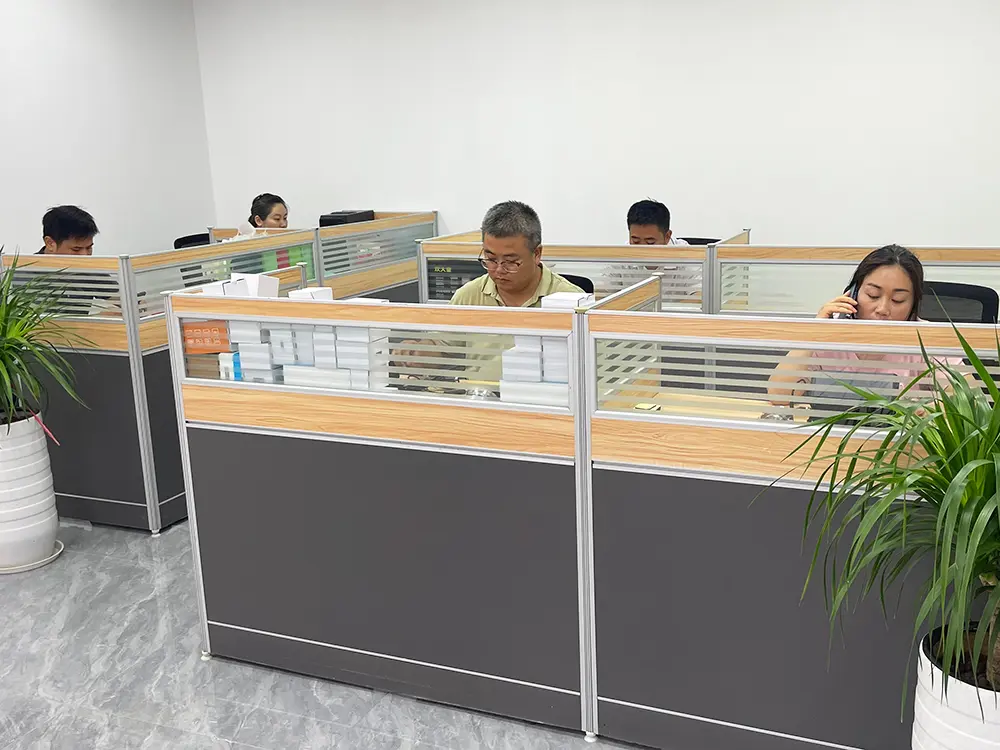
We develop and supply full-range automotive electronic safety products to improve driving safety and vehicle operation efficiency for passenger cars, commercial vehicles, engineering machinery and hazardous transport vehicles. Our complete product lineup covers:
Supported by China’s mature automotive electronics industrial cluster resources, we build a strict upstream manufacturer screening system. All cooperative factories pass unified quality compliance audit, with stable mass production capacity and punctual delivery capability. We integrate supply chain resources to provide flexible and efficient foreign trade services for global customers:
Meeting KC certification standards, ensuring PIPA-compliant data masking, and simplifying customs import procedures.
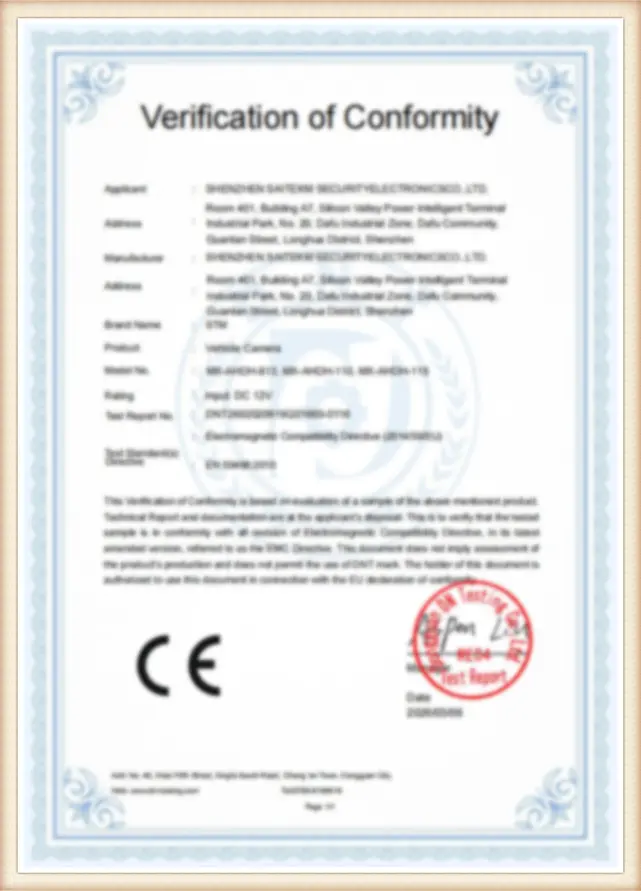
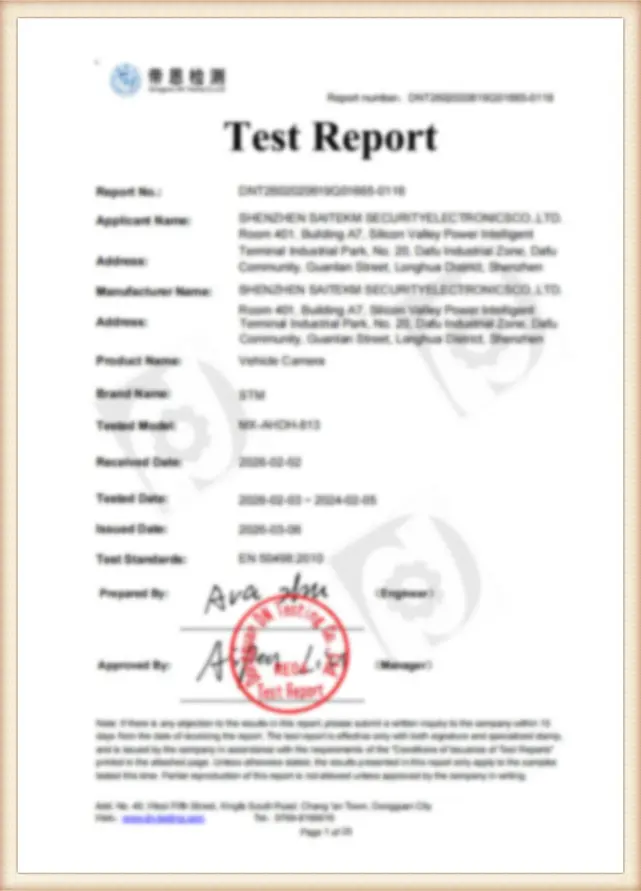
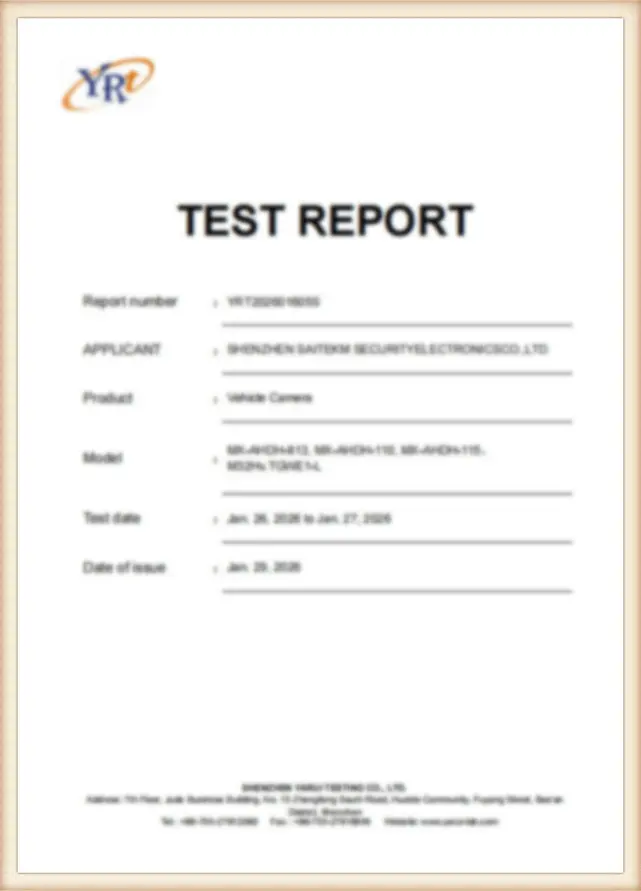
Any electronic product imported into South Korea must comply with national safety standards. We supply our Seoul clients with the complete test reports, product schematics, and factory certifications required to obtain the KC (Korea Certification) mark, ensuring smooth market entry without regulatory delays.
South Korea enforces a strict Personal Information Protection Act (PIPA). Our cameras can be integrated with localized firmware settings that support direct face-blurring or image masking at the API level, helping Seoul fleet operators protect public privacy while maintaining safety records.
We leverage our strategic logistics partners to ship cargo through Weihai Port to Incheon Port. This sea-freight route offers transit speeds comparable to air freight at a fraction of the cost, keeping import shipping rates low for our wholesalers.
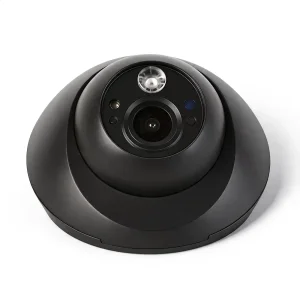
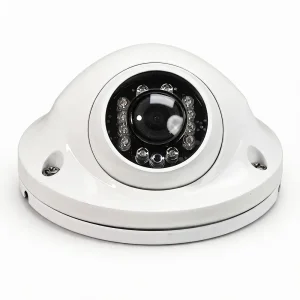
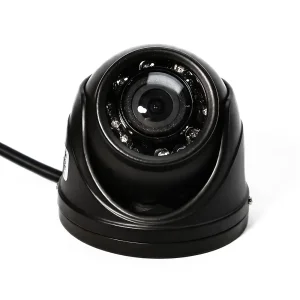
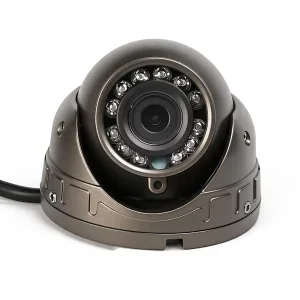
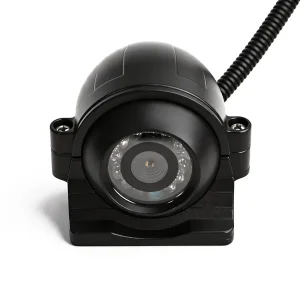
Explore our full selection of high-fidelity cameras, ADAS systems, and interior dome units available for wholesale.
Essential insights for procurement managers, distributors, and logistics integrators in Seoul.
Partner with an established vehicle camera manufacturer. Get factory-direct pricing, customized OEM solutions, and optimized logistics support for the South Korean market.
Send Inquiry Now Xiyue Electronics